




 Business17 Jul 2026
Heat Waves Impact All Forms of Power Generation Beyond Nuclear
Heat waves reduce efficiency in all power generation types, stressing grids and revealing the need for diverse energy strategies.
The Broad Impact of Heat Waves on Power Generation
As heat waves sweep across regions, they do not merely affect nuclear power generation—every type of power generation faces challenges during extreme temperature events. The rising temperature leads to reduced efficiency in thermal plants, stressing coal, natural gas, and biomass systems while also impacting renewable energy resources like hydropower and solar power.
Understanding the Effects
High temperatures reduce the efficiency of cooling water, which is critical for thermal power plants that rely on water to condense steam back into liquid form. This issue is particularly prevalent in thermal plants employing the Rankine Cycle—common to coal, natural gas, and biomass energy production.
When water temperatures rise above the design specifications, a thermal plant's overall efficiency can drop significantly, leading to decreased electricity production.
-
Nuclear Plants and Cooling Limitations
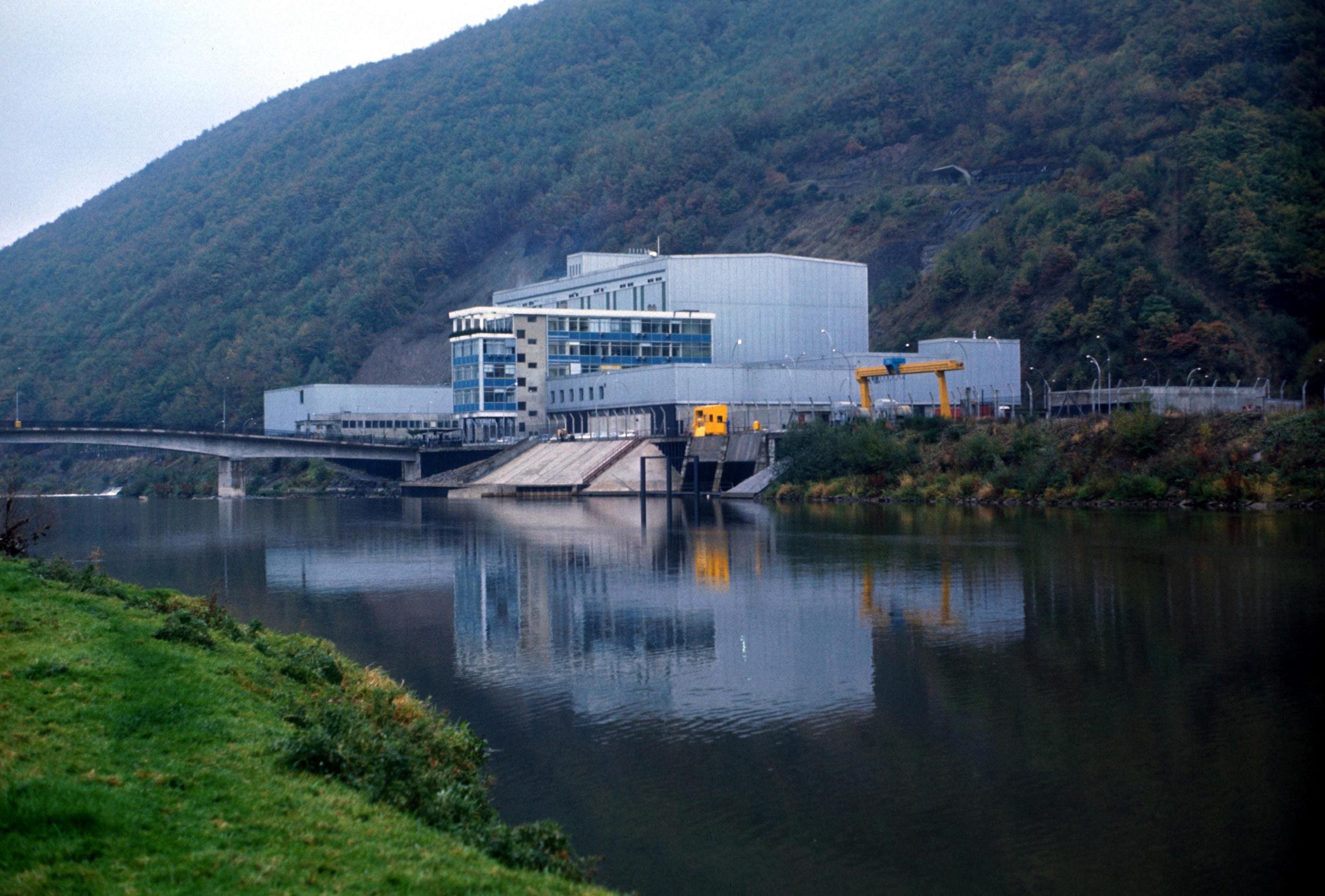
Nuclear power plants, primarily located by rivers and lakes, rely heavily on the temperature of the water used for cooling. As these water temperatures escalate, the condenser's ability to cool steam diminishes, resulting in less efficient turbine operation and, subsequently, lower electricity generation. -
The Ripple Effect on the Grid
These heat waves complicate the overall energy grid, introducing faults and outages. Elevated temperatures can cause transmission lines to swell and sag, leading to potential failures in infrastructure and increased pressure in pipelines.
Impact on Renewable Energy Sources
Heat waves do not discriminate, also affecting renewable energy generation. For example:
- Hydropower experiences reduced output due to lower water levels from simultaneous drought conditions, which can sharply decrease generation capacity as seen in Sichuan, China, which reported a 50% dip in hydropower generation in 2022 due to extreme heat.
- Solar Power installations also face efficiency losses. Solar panels typically experience a drop in conversion efficiency by approximately 0.3% to 0.5% for every degree Celsius increase above 25°C (77°F). Given that solar panels often start with lower efficiency rates, even minor reductions can significantly impact overall power output.
- Wind Turbines encounter multiple challenges during heat events, including diminished winds, reduced air density affecting energy capture, and increased operational temperatures necessitating output curtailment to avoid damage.
The Climate Change Factor
Historically, power plants have been designed around expectations of climate conditions. However, climate change has altered these foundational assumptions, increasing the frequency and intensity of heat waves. This shift results in warmer waters, lower river levels, and an overall unreliable water supply for cooling—an alarming problem as demands for air conditioning and electricity rise.
With the global air conditioning market predicted to grow significantly, electricity demand during these peak heat periods will only compound the challenges faced by power generating systems, making heat resilience a critical factor going forward.
Innovations and Solutions
To combat the impact of heat waves on power generation, several adaptive strategies are being explored:
- Advanced Cooling Technologies: Retrofits such as cooling towers for nuclear plants and combined air and water cooling systems for thermal plants are being implemented.
- Next-Generation Reactors: Small modular reactors, using alternative coolants instead of water, will help mitigate environmental risks and water use.
- Regulatory Adaptations: Some countries allow temporary environmental waivers during heat waves to enhance grid stability, adapting existing rules to better respond to extreme weather.
Conclusion: The Necessity of Energy Diversity
As we continue to grapple with more frequent and intense heat waves, the importance of diversifying energy sources becomes increasingly clear. Each type of power generation faces unique challenges during extreme heat, illustrating that solutions extend beyond focusing solely on nuclear energy. Having a robust portfolio that combines various energy sources will be essential to ensuring reliable power as demand fluctuates and environmental challenges escalate.
Popular news
New York has declared a disaster emergency over rising measles cases, especially among under-immunized populations, with 108 confirmed cases.





Subscribe to
our news
Get the most important updates and top stories in your inbox.