




 Business26 Apr 2026
History of Presidential Assassination Attempts and Their Impact on Security
Bloomberg experts analyze the history of presidential assassination attempts and their influence on security protocols in D.C.
Understanding Presidential Assassination Attempts
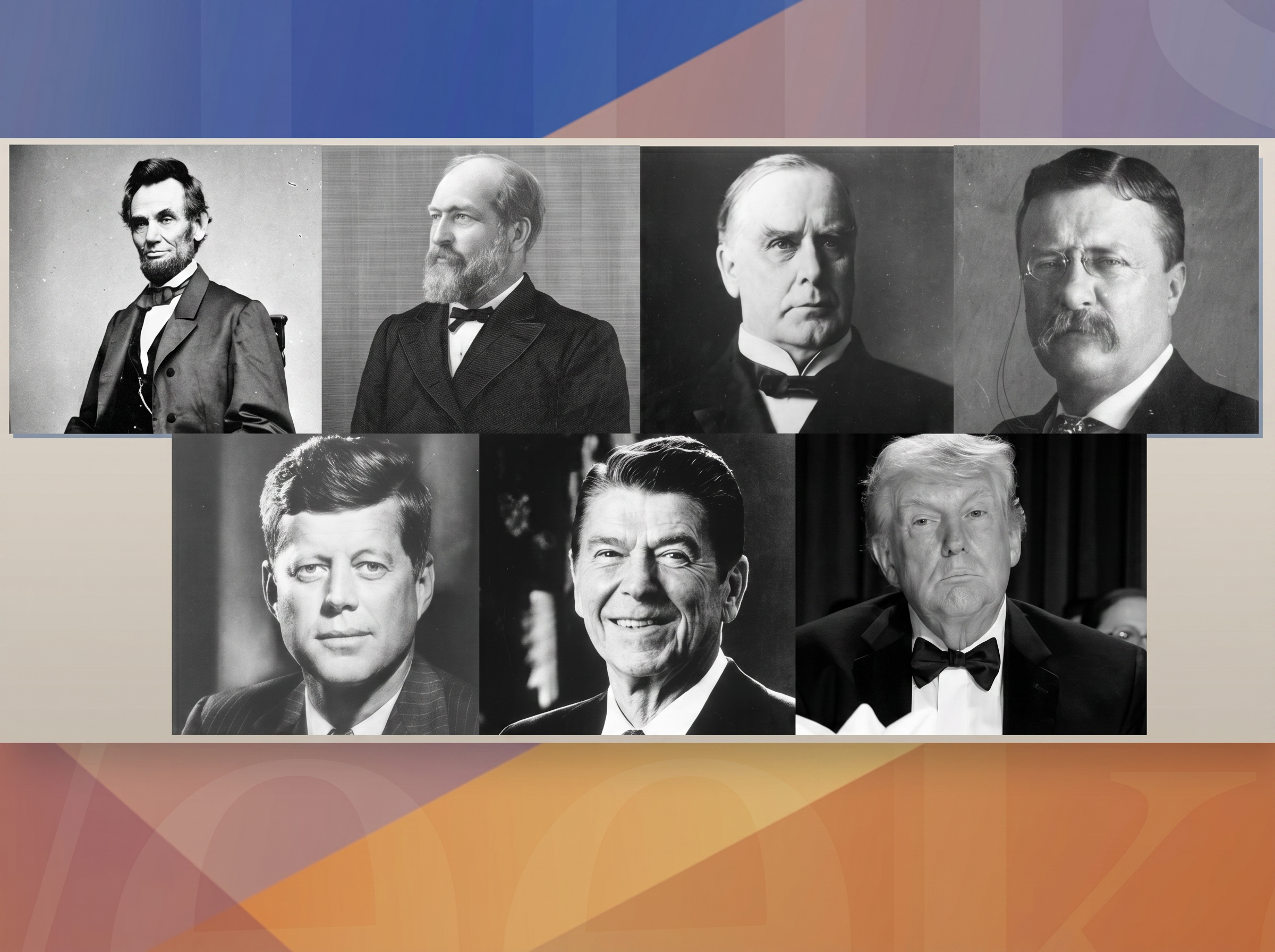
Presidential assassinations and attempts throughout U.S. history have left indelible marks on the nation and its approach to security. In light of the recent shooting incident at the White House Correspondents' dinner, Bloomberg's Joe Mathieu, alongside David Gura and Christina Ruffini, delves into how these historical events have shaped current security measures and protocols in Washington, D.C.
A Historical Perspective on Assassination Attempts
The United States has seen several high-profile assassination attempts on its presidents, starting from the early days of the nation. Notable incidents include the assassination of President Abraham Lincoln in 1865 and the attempted assassinations of Presidents Ronald Reagan and John F. Kennedy. Each event not only shocked the nation but also prompted significant changes in security protocols surrounding the presidency.
Key Incidents and Their Aftermaths
- Abraham Lincoln (1865): Lincoln's assassination marked the first successful presidential killing, leading to the establishment of more stringent security measures.
- Ronald Reagan (1981): Following an attempt on Reagan's life, measures such as Secret Service protection for presidential candidates were strengthened, showcasing a shift in how potential threats were evaluated.
- John F. Kennedy (1963): Kennedy's assassination catalyzed a nationwide dialogue about the vulnerabilities in presidential protection and the necessity of improved security frameworks.
Current Security Protocols in the Wake of Tragedy
Today's security measures for the President are extensive, influenced heavily by historical attempts on their lives. After such tragedies, steps have been taken to ensure that protocol keeps pace with evolving threats.
According to Mathieu, Gura, and Ruffini, these events not only highlight the dangers faced by U.S. leaders but also serve as a reminder of the importance of continually adapting and reinforcing security protocols in an ever-changing world.
The Role of Recent Events in Shaping Future Safety
The recent shooting incident at a public event underscores the ongoing risks associated with presidential roles. It raises questions about the adequacy of current safety measures and calls for heightened vigilance from security agencies. As history shows, each assassination attempt invariably influences future policy-making regarding the safety of elected officials.
In conclusion, understanding the historical context of presidential assassination attempts provides critical insight into the current landscape of political safety and the stringent measures in place to protect leaders in the line of duty.
By considering past incidents and their consequences, security agencies can better prepare for potential threats, ensuring the safety of the President and, by extension, the country.
Popular news
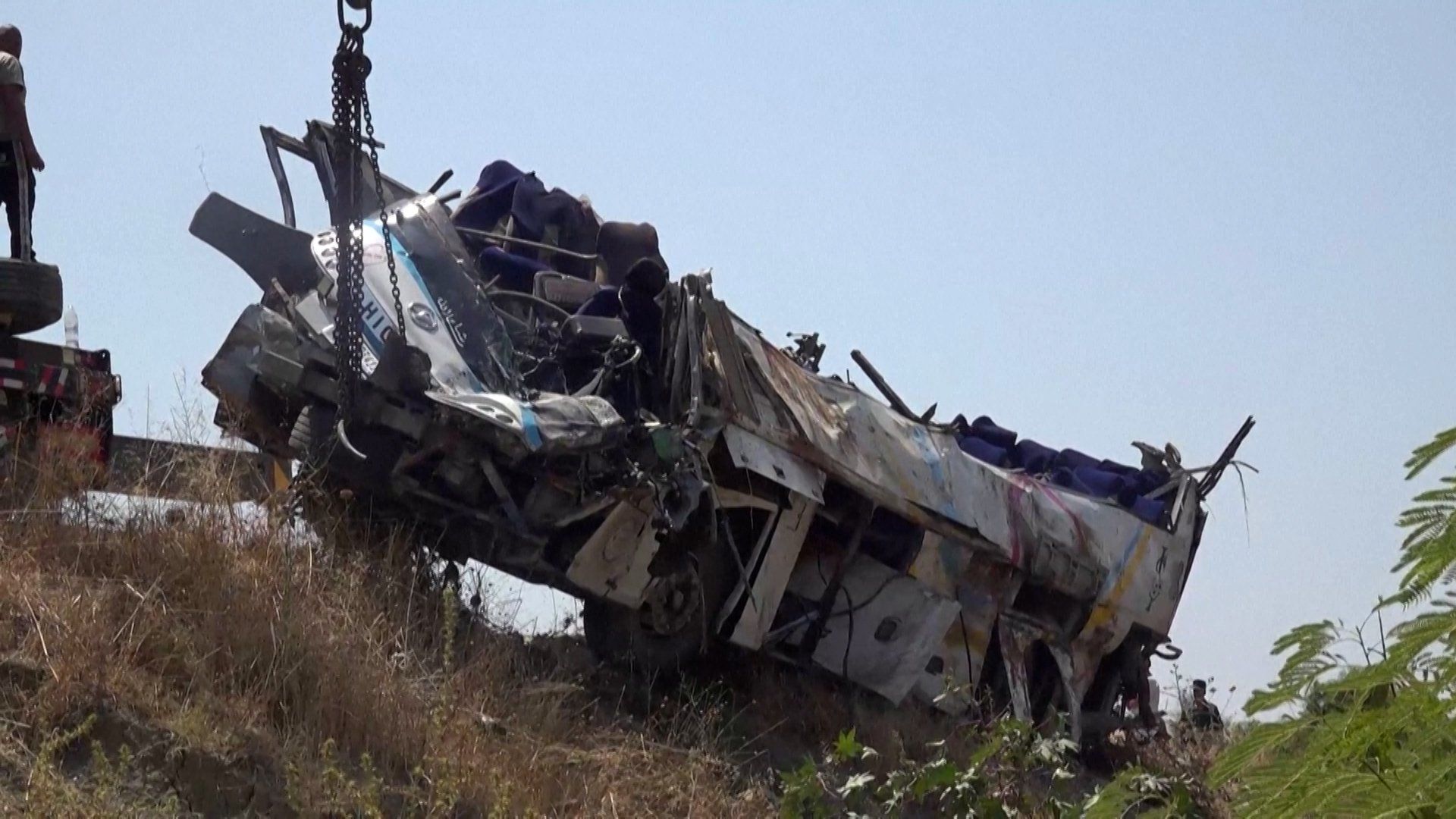
A small plane crash while touring the Nazca Lines in Peru has resulted in 13 fatalities, including tourists and crew.


Subscribe to
our news
Get the most important updates and top stories in your inbox.