





 World02 Aug 2026
How Virunga Park Safeguards People and Mountain Gorillas from Ebola
Virunga National Park enhances health measures to protect communities and gorillas amid an Ebola outbreak in eastern DRC, emphasizing collaborative respons
Enhanced Health Measures in Virunga National Park
As the Ebola outbreak continues to escalate in the eastern Democratic Republic of the Congo (DRC), Virunga National Park is ramping up its health initiatives to safeguard both local communities and the endangered mountain gorillas residing within its borders. This response follows the World Health Organization’s (WHO) declaration that the outbreak now poses a Public Health Emergency of International Concern.
Emergency Response Framework
The park’s response strategy includes the establishment of six health checkpoints across its 300-kilometer expanse, which functions as a natural barrier against the virus. Emmanuel de Merode, the park's director-general, articulated the park's role, indicating that “protected areas act as barriers to the spread of the disease.” Over the past few weeks, the park successfully mobilized 40 paramedics and 80 rangers, who provide monitoring and support to prevent the outbreak from further affecting the region.
Importance of Monitoring Movement
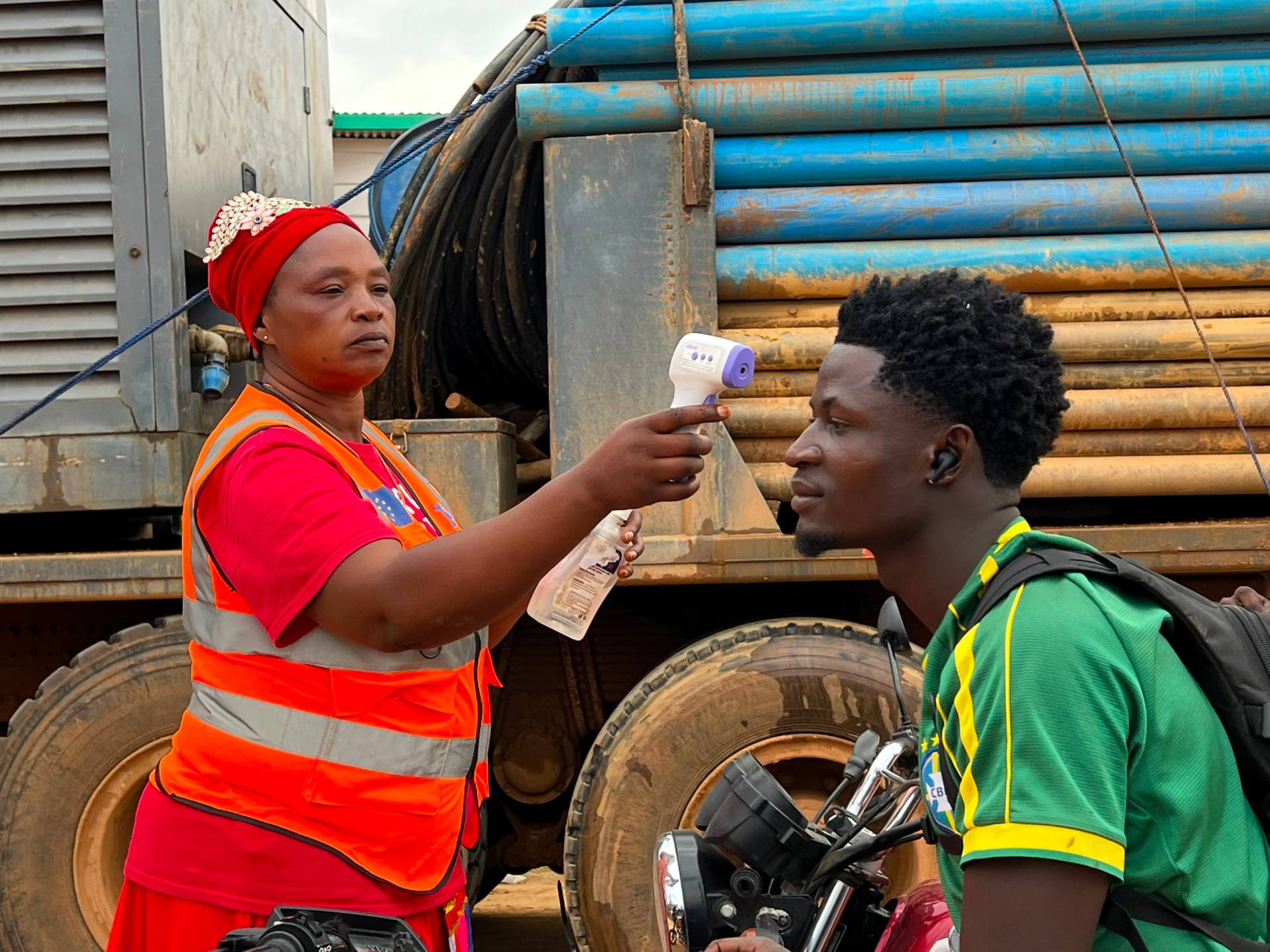
The health checkpoints play a crucial role in monitoring the movement of individuals traversing the park. They facilitate handwashing, temperature screenings, and offer initial isolation facilities for individuals exhibiting symptoms. In particular, checkpoints set up in Ituri province, the epicenter of the outbreak, are designed to screen travelers arriving from Ebola-affected regions, ensuring prompt health responses from both park authorities and health officials.
Historical Context and Collaborative Efforts
Virunga National Park has a history of contributing to combat efforts against Ebola. During the DRC’s 10th outbreak from 2018 to 2020, the park assisted health authorities in containing the virus, leading to a significant reduction in transmission. Reflecting on previous experiences, De Merode noted that Virunga's strategic positioning helped prevent widespread transmission to urban centers like Goma, emphasizing the park’s integral role in emergency health responses.
Health Checkpoints and Rapid Response
Health checkpoints have proven pivotal in the ongoing efforts to contain the current outbreak, as they allow health data collected onsite to be directly transmitted to the Congolese National Institute of Public Health for rapid evaluation. So far, suspected Ebola cases have been identified at these checkpoints, allowing for necessary follow-ups to minimize further contagions within the community and wildlife alike.
Protections for Mountain Gorillas
Mountain gorillas, classified as endangered by the International Union for Conservation of Nature (IUCN), are particularly vulnerable to diseases, sharing over 90 percent of their DNA with humans. Despite the recurring threat of Ebola in the region, no mountain gorilla has been reported infected in Virunga, thanks to rigorous health monitoring for both gorillas and human visitors. Eddy Syaluha, a veterinarian associated with Gorilla Doctors, highlights that the interconnectedness of human, animal, and environmental health necessitates a proactive approach to disease prevention.
Focus on Preventive Measures
To mitigate the risk of disease transmission to gorillas, conservation teams actively monitor gorilla health and enforce strict visitor health protocols. This vigilance is critical as previous Ebola outbreaks have inflicted devastating losses on ape populations, and preventative efforts remain emphatically prioritized. Syaluha stated, "We are doing everything we can to ensure that what happened in other countries does not happen to our gorillas here.”
Conclusion
Virunga National Park’s multi-faceted strategy exemplifies the critical intersection of health and conservation efforts. By strengthening health infrastructures and emphasizing collaborative responses to Ebola, the park not only aims to protect human populations but also ensures the survival of one of the world’s last remaining populations of mountain gorillas, fostering hope for the future even amidst public health challenges.
Popular news
A small plane crash while touring the Nazca Lines in Peru has resulted in 13 fatalities, including tourists and crew.


Subscribe to
our news
Get the most important updates and top stories in your inbox.
