




 World02 Aug 2026
Hungary Shuts Down Sole Nuclear Plant Amid Record Low Danube Levels
Hungary's Paks nuclear power plant will shut down for the first time in history due to low water levels in the Danube, affecting electricity supply.
Hungary's Historic Nuclear Plant Shutdown
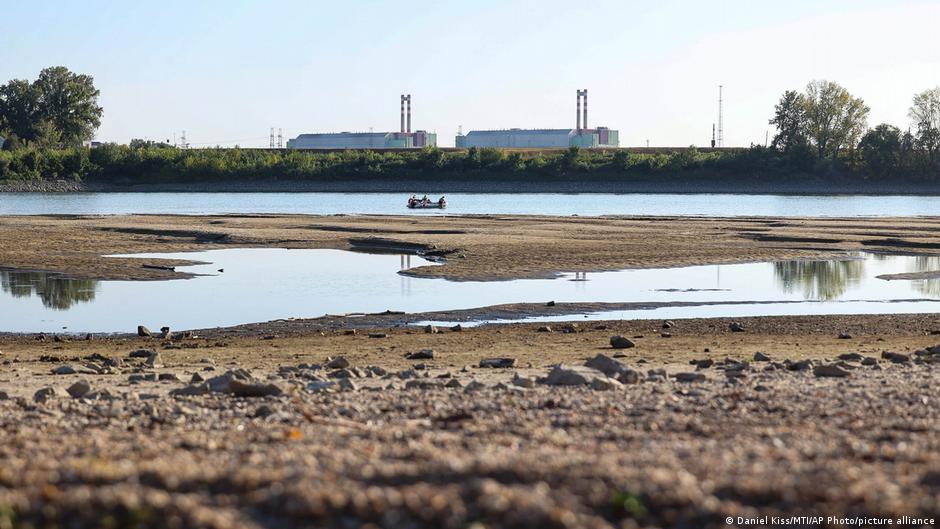
Hungary is set to shut down its only nuclear power plant, the Paks facility, for the first time in 44 years, beginning Sunday. This unprecedented move comes as the Danube River, the critical water source for cooling the plant's reactors, has reached alarming low levels due to prolonged drought and heatwave conditions. Prime Minister Peter Magyar announced the decision via social media late Saturday as the situation became increasingly dire.
Record-Low Water Levels
The Danube, which flows from Germany to the Black Sea, has plummeted to record lows, a consequence of several months of below-average rainfall. Currently, the water levels in Budapest are measured at just 23 centimeters (9 inches), significantly lower than the previous record low of 33 centimeters (13 inches) set in 2018.
Due to the diminishing water supply, the Paks nuclear power plant has already seen its electricity output reduced to a mere 240 megawatts, a drastic decrease from its typical production levels that account for over 40% of Hungary's energy needs. Magyar noted that one of the reactors was set to be completely shut down at 1:30 a.m. local time, rendering the plant inactive for the first time in its operational history.
Potential Power Shortages
The implications of this shutdown are significant as Hungary faces potential power shortages. The rising costs of importing electricity may burden the country financially, with estimates suggesting these costs could range between 120 billion to 240 billion forints (approximately $315 million to $630 million). In response, the government plans to request voluntary power reductions from large energy consumers in addition to the limited output still being generated at Paks.
Magyar indicated that, should the situation necessitate, larger consumers could face penalties for failing to comply with these conservation efforts. A decree is also being prepared to empower MAVIR, the national grid operator, to enforce consumption cuts and potentially disconnect major power users.
Moving Forward
Prime Minister Magyar assured citizens that household electricity supplies would be prioritized and any restrictions affecting residential users would be minimal. However, the path ahead remains uncertain as the Paks plant may remain offline for weeks, contingent on the water levels in the Danube. The government is monitoring the situation closely, with plans in place to manage electricity production and usage during this challenging period.
Popular news
A small plane crash while touring the Nazca Lines in Peru has resulted in 13 fatalities, including tourists and crew.





Subscribe to
our news
Get the most important updates and top stories in your inbox.