




 World27 Sept 2026
Iran Explores Caspian Sea Trade Alternatives Amid Strait of Hormuz Challenges
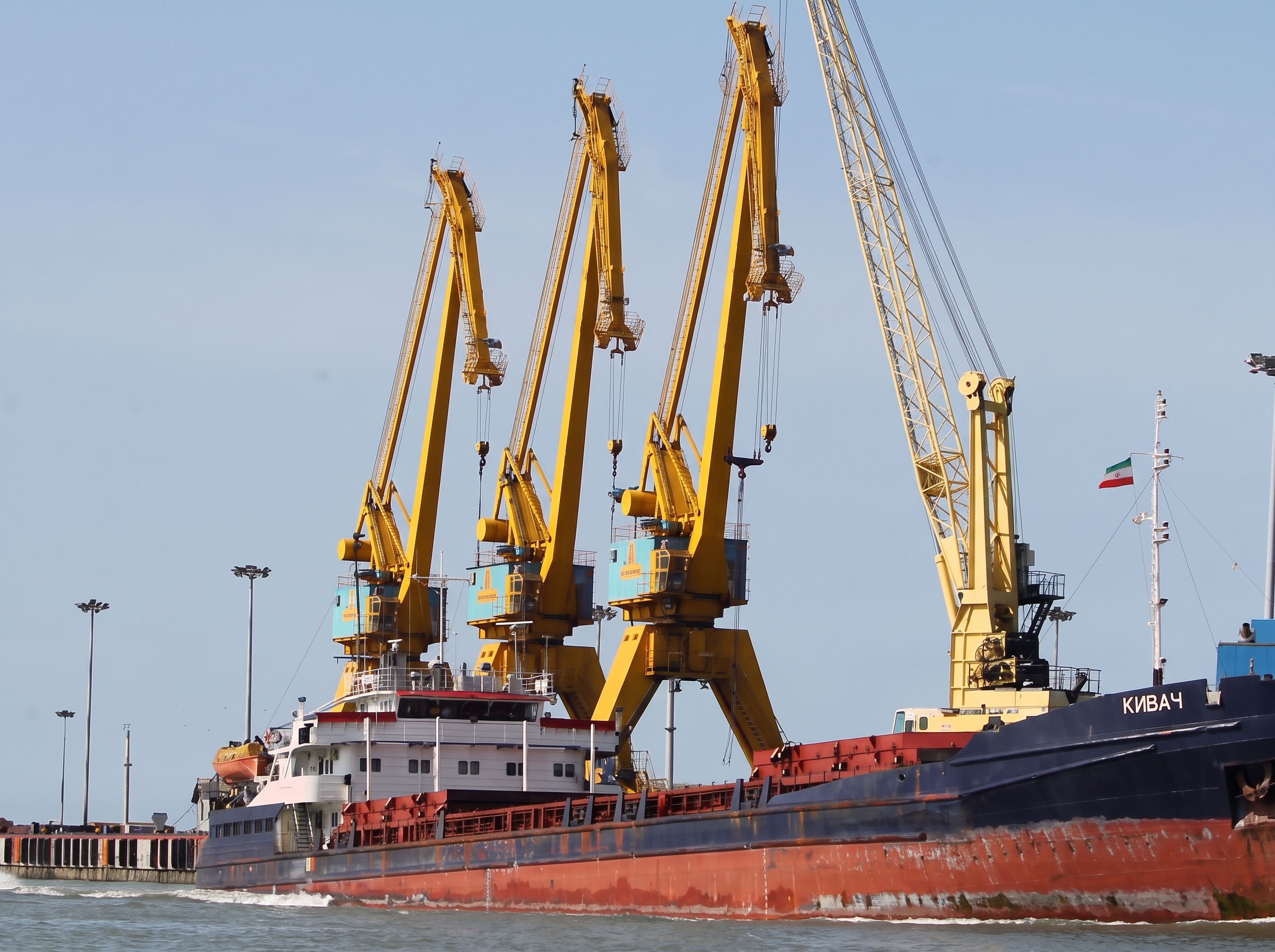
Iran is shifting focus to trade via the Caspian Sea as US naval blockades hinder southern routes, but faces substantial logistical hurdles.
Iran’s Trade Crisis: Shifting from the Strait of Hormuz to the Caspian Sea
As a result of a U.S. naval blockade that has severely impacted its southern ports, Iran is urgently exploring alternative trade routes via the Caspian Sea. This transition reflects Tehran's attempt to maintain its oil exports and imports of essential goods amidst escalating geopolitical tensions and ongoing conflicts.
The Impacts of the Naval Blockade
Tensions have intensified following the U.S.-led sanctions and military actions against Iranian interests. These measures have left Iran with little choice but to seek the Caspian Sea as a potential outlet for its trade. However, this shift is fraught with logistical difficulties that professionals in the field have highlighted as significant barriers to effective trade.
Navigating Logistic Challenges
The Caspian Sea, the largest enclosed inland body of water in the world, restricts its shipping capacity due to declining water levels. Reports from the UN state that water levels have fallen approximately 2 meters since the 1990s, and projections indicate further declines of up to 21 meters by century's end. Shahram Fadakar, head of the Iranian Department of Environment’s coastal protection office, noted an alarming trend of more than 20 cm of reduction in water levels annually over recent years. This situation directly affects Iran's capability to transport goods efficiently through northern ports, which could previously accommodate larger vessels but now struggle with reduced capacity.
Iranian officials have cited the limitations faced at ports such as Anzali, Amirabad, and Nowshahr due to these conditions. Although statistics indicate an increase in cargo through northern ports, logistical constraints persist. For instance, vessels that once handled 6,000 tonnes are now restricted to 4,000 tonnes, exacerbating transport delays.
Border Congestion and Transport Issues
The shift has resulted in increased congestion at Iran's northern borders; the Norduz crossing with Armenia, for example, has seen queues with up to 1,800 trucks waiting for entry, often extending the wait time to several days. Vali Kaleji, a researcher on the region's logistics, emphasizes that not only is the trade shift affecting transport volume, but also ongoing customs procedures and infrastructure issues have aggravated the situation.
Strategic Importance of the Caspian Sea
As Iran pivots northward, connections to neighboring countries via rail and road are also under scrutiny. Despite the opportunities presented by the eastern Caspian rail route linking to Turkmenistan and Kazakhstan, previous disruptions during conflicts have hindered comprehensive trade connectivity. Currently, there is a significant absence of rail links following the closure of the connections established during the First Nagorno-Karabakh War.
Moreover, the proposed railway restoration between Iran and Azerbaijan could play a vital role in enhancing trade efficiency, contingent upon the ongoing peace efforts in the region.
Growing Dependence on Russian Trade
Simultaneously, Iran's increasing reliance on trade with Russia raises concerns over sanctions and the geopolitical dynamics between the two nations. While both face international penalties, reports of military cooperation, including technology transfers, underscore the complexities of such a partnership. Analysts warn that dependence on Russian logistics could complicate Iran's trade strategy, as Ukraine’s ongoing conflict has targeted Russian infrastructure.
Iran's future trade viability lies in balancing its reliance on just northern ports against maintaining diverse international partners. The current emphasis on essential goods logistics is evident, with Iranian authorities prioritizing food supplies and other necessary commodities.
Economic Prospects and Challenges Ahead
Despite the looming logistical challenges, Iran's northern ports recorded a 50% rise in container arrivals year-on-year, suggesting potential for growth in regional trade. However, to realize these prospects, Iran must address its infrastructural limitations and find reliable trading partners willing to engage in an environment fraught with sanctions.
In conclusion, while the Caspian Sea offers Iran a strategic alternative for trade amidst a turbulent maritime landscape, significant challenges remain. The need for enhanced infrastructure, collaboration with neighboring countries, and a careful strategy to mitigate dependency on any single partner will be critical as Iran seeks to navigate through these complex waters.
Popular news
Micron's massive semiconductor factory in Syracuse aims to rejuvenate the city and could set a precedent for revitalization across the Rust Belt.



Subscribe to
our news
Get the most important updates and top stories in your inbox.