





 Business20 May 2026
Iran Warns of Broader Conflict If Attacks by U.S. and Israel Persist
Iran's Revolutionary Guard threatens to extend conflict beyond the region if U.S. and Israel resume attacks amidst ongoing peace talks.
Rising Tensions in the Middle East
Iran's paramilitary Revolutionary Guard issued a stark warning on Wednesday, suggesting that if the United States and Israel do not cease their attacks, the resulting conflict could expand beyond the Middle East. In a statement reported by Iran's semi-official Mehr news agency, the Revolutionary Guard said, "the regional war that was promised will this time be extended beyond the region, and our crushing blows will bring you to ruin in places you cannot imagine."
Mixed Signals from the U.S. Administration
This threat follows a series of contradictory signals from the Trump administration regarding the ongoing conflict. President Donald Trump indicated optimism during remarks at the White House on Tuesday, stating that the United States might bring an end to the conflict with Iran "very quickly." He claimed Iran was eager to reach an agreement, setting a potentially hopeful tone for future negotiations.
Conversely, Vice President JD Vance expressed in a separate press briefing that neither the U.S. nor Iran desires a military escalation. Describing the current state of negotiations as being in a "pretty good" position, Vance insisted, "This is not a forever war. We're going to take care of business and come home."
Concerns Over Military Escalation and Economic Disruption
Adding to the complexity of the situation, Trump has issued threats of further military action, asserting that Iran had limited time to agree to negotiations, hinting at impending action within days. This has magnified public discontent, as many Americans grow increasingly wary of a prolonged military engagement, which has lasted far longer than initial expectations of four to six weeks.
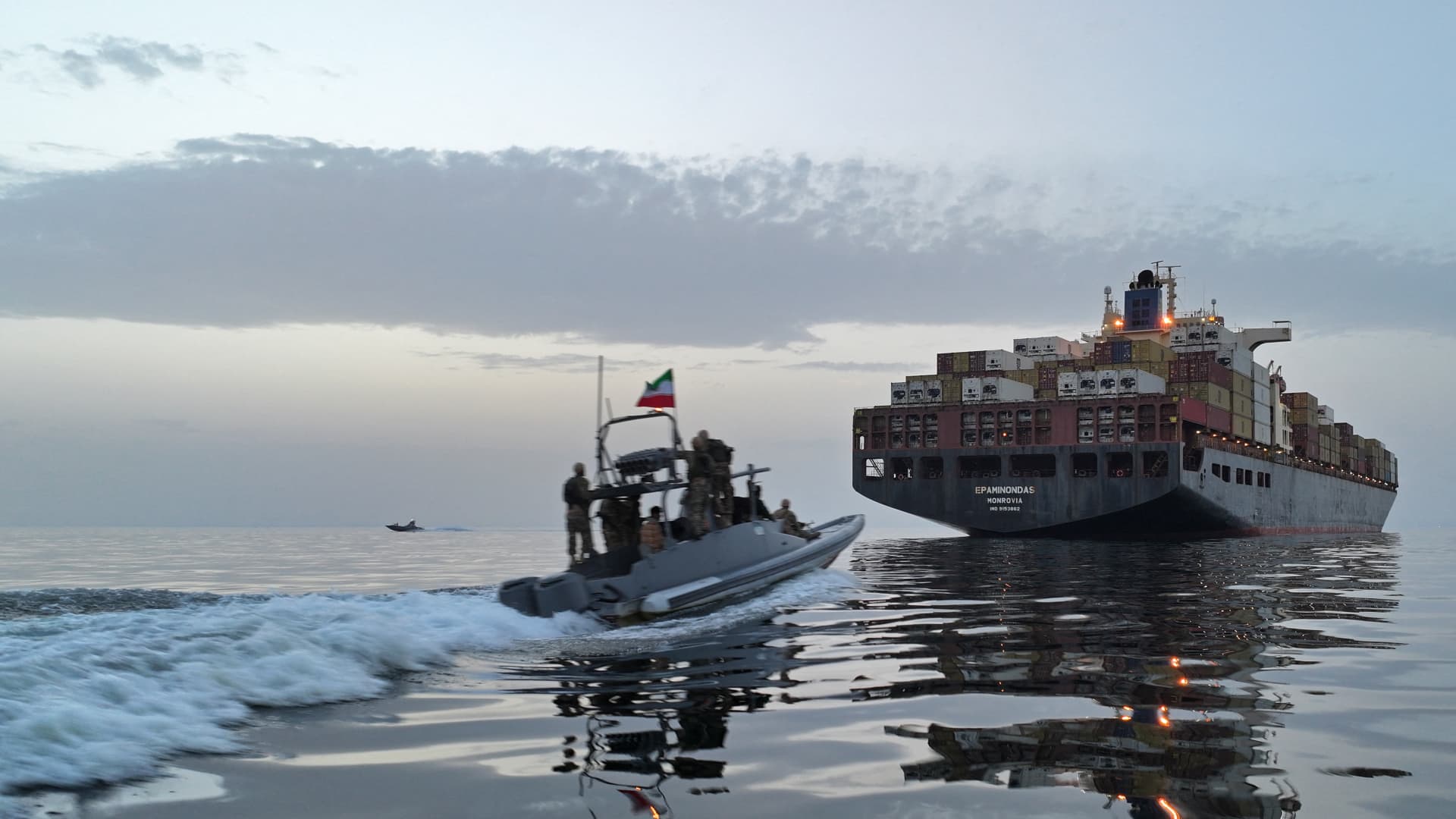
The continued conflict has resulted in significant disruptions to shipping through the crucial Strait of Hormuz, with approximately 20% of the world’s oil and liquefied natural gas passing through this narrow waterway. Since fighting escalated on February 28, shipping traffic has ground to a near halt, raising alarm over global energy supplies.
Conclusion: A Stalemate and Its Implications
As the two sides remain locked in a stalemate, concerns grow regarding the potential for further escalation. While a ceasefire remains effective, the threat from Iran’s Revolutionary Guard underscores the fragile nature of this peace, making it imperative for U.S. officials to navigate the tense situation carefully in the pursuit of a lasting resolution.
As public opinion turns against the protracted military involvement, the administration faces pressure to clearly communicate its strategy and objectives regarding Iran. With diplomatic efforts possibly in the balance, the international community watches closely as developments unfold.
Popular news
65% of Latin Americans view China's influence positively, surpassing the US at 57%. US perceptions decline amid military actions in the region.




Subscribe to
our news
Get the most important updates and top stories in your inbox.
