




 World28 Sept 2026
Iran’s Children Return to School Amid Ongoing Conflict
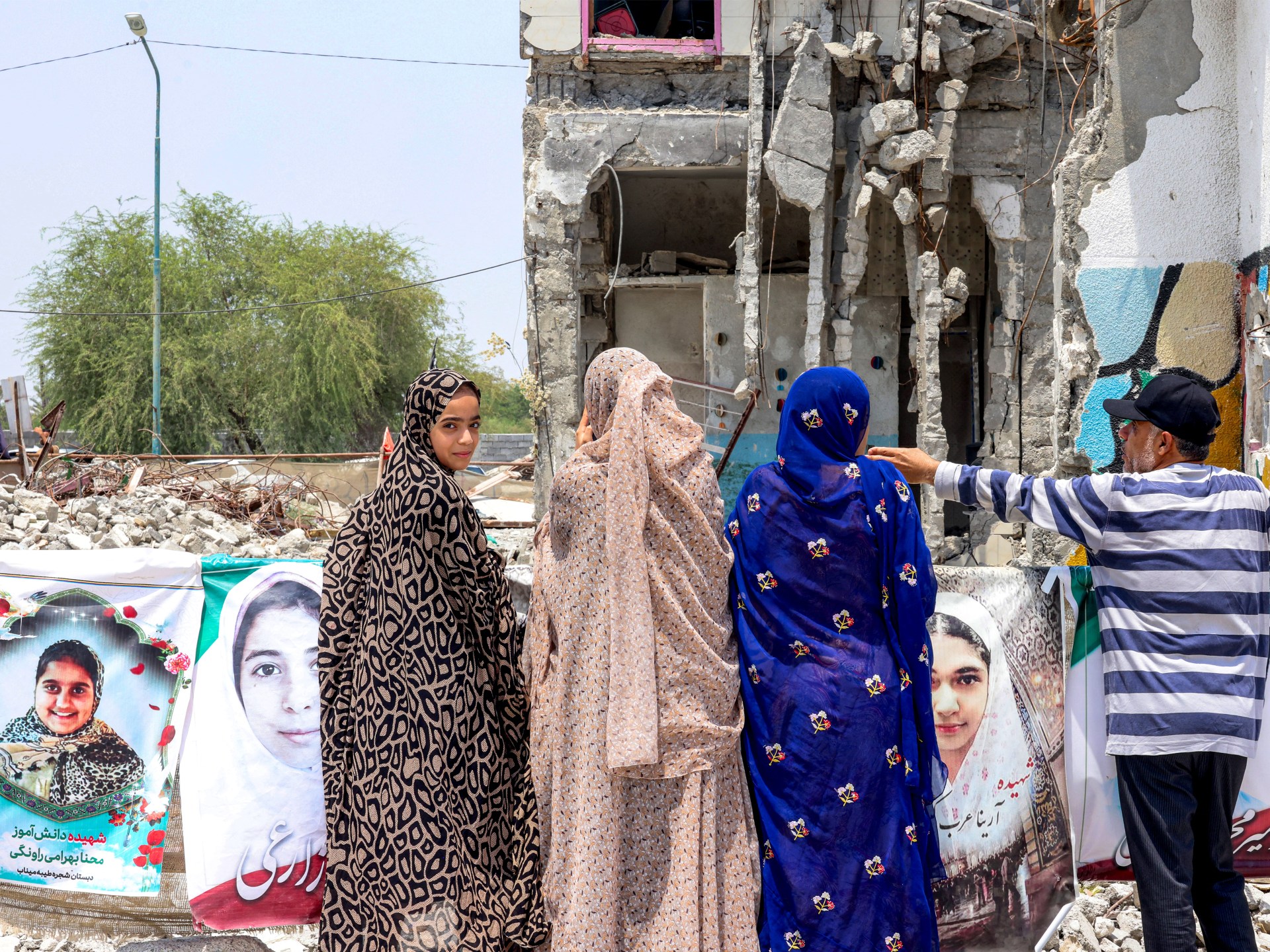
Iranian students are returning to class under the shadow of war, haunted by the recent tragedy at their school during US-Israel airstrikes.
Resuming Classrooms Amid Trauma
As the new school year commences in Iran, a sense of fear and anxiety permeates the atmosphere, particularly in areas scarred by recent violence. Following the devastating impacts of the US-Israel war that began on February 28, students are cautiously returning to classrooms while grappling with the psychological toll of violence.
The Haunting Memories of Minab
The Shajareh-ye Tayyebeh Elementary School in Minab was targeted during the early days of the conflict, resulting in the tragic death of at least 120 children and 35 adults. Although a new building has replaced the devastated structure, the school operates under significant constraints, with students attending for only about an hour a day. Parents and children alike bear emotional scars, recalling the chaos and desperation that accompanied the initial bombings.
“I can’t shake the anxiety that if the war starts again and they call us and tell us to pick up our children from school, how long it will take me to get myself to the school and bring my child home,” a father of an 11-year-old in Tehran shared, reflecting the pervasive fear amongst parents.
Adjusted Learning Environments
In light of ongoing threats, many schools across southern Iran, including Minab, will conduct online classes for the first two weeks of the school year. The Ministry of Education has reported that 1,288 schools sustained damage during the conflict, leading to a reliance on virtual learning to ensure student safety.
Faramarz, a teacher from Minab who lost his wife and child in the bombing, conveyed his grief and disillusionment, noting, “I feel like I have nothing left to lose.” As classes resume, the profound impact of the war is evident, with teachers finding it challenging to maintain focus and stability in the classroom.
The Challenge of Online Education
While the ministry enhances online learning infrastructure, there is significant concern regarding the effectiveness of virtual education. Amir, a high school teacher in Tehran, highlighted that four of nine months last school year were held online, undermining essential student-teacher connections and routines critical for mental health and development.
Zeinab, an elementary school teacher, echoed these apprehensions. With fighter jets frequently overhead, ensuring student engagement remains a formidable challenge. “Students who do not have access to the internet will be left out of school,” she stated, underscoring the digital divide exacerbated by the ongoing conflict.
Reflecting on Loss
On the first day of school, a haunting video surfaced of a student from Shajareh-ye Tayyebeh expressing sorrow for his lost friends, underscoring the indelible mark the war has left on the younger generation. “I miss them,” he said, capturing the shared grief and longing for a normalcy that seems far removed from the current reality.
As Iranian children step back into classrooms, they do so under the looming specter of violence and uncertainty, forcing educators and families alike to navigate a new, fraught landscape of learning and resilience.
Popular news
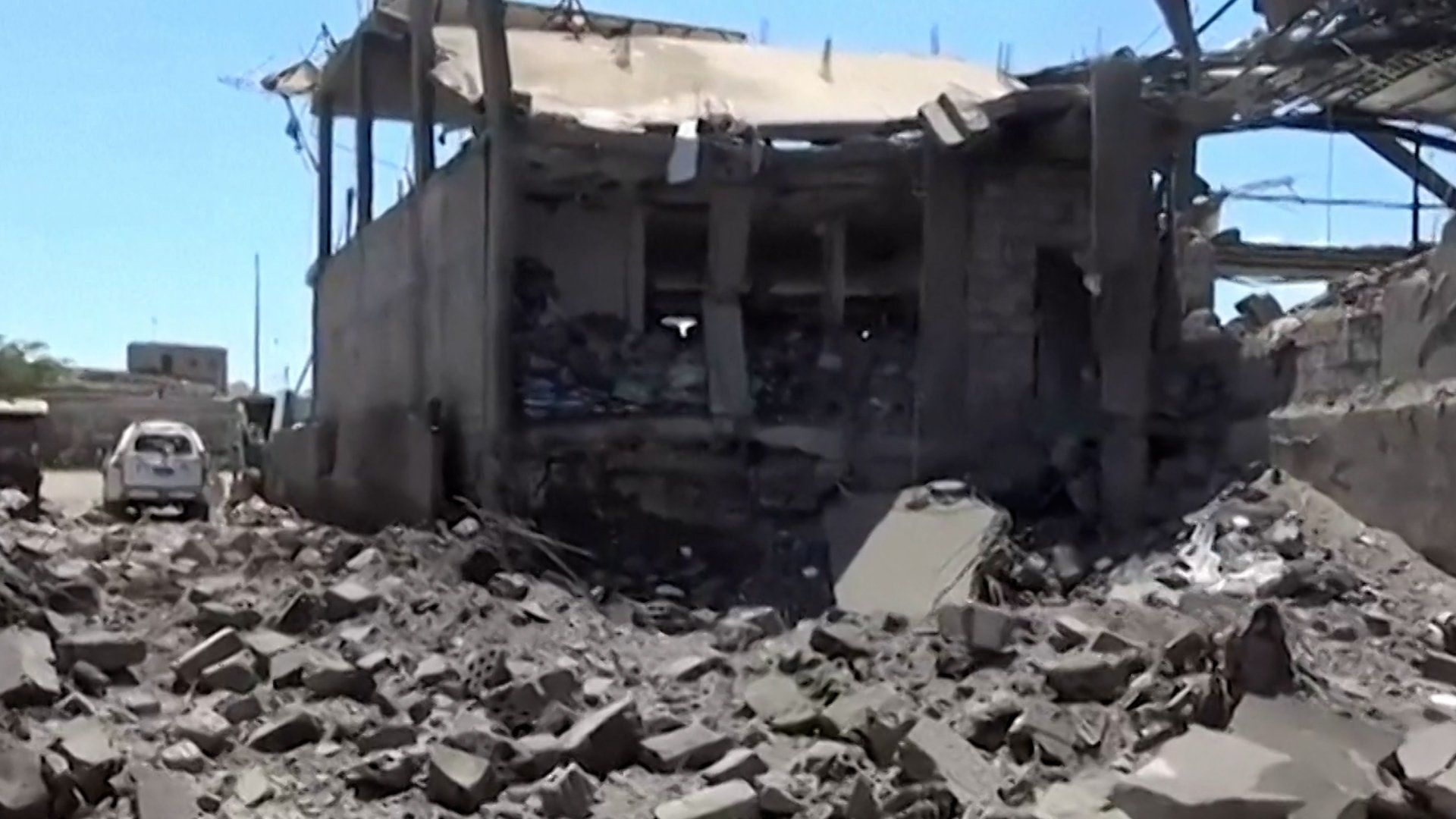
At least seven dead and 40 injured in a market strike in Taiz, Yemen, amid escalating tensions and conflicting reports on military activity.


Subscribe to
our news
Get the most important updates and top stories in your inbox.