 World24 Apr 2026
Iran's Foreign Minister in Islamabad Amid Ongoing US Relations Tension
Iran's Foreign Minister Abbas Araghchi arrives in Islamabad, sparking interest amid ongoing tensions with the US, though peace talks remain unconfirmed.
Overview of the Diplomatic Mission
Iran's Foreign Minister Abbas Araghchi embarked on a diplomatic visit to Islamabad on April 24, 2026, aimed at addressing regional issues and enhancing bilateral ties with Pakistan. This visit occurs against a backdrop of ongoing tensions involving the United States, where discussions regarding a ceasefire and peace negotiations linger without formal confirmation.
Ongoing Tensions with the United States
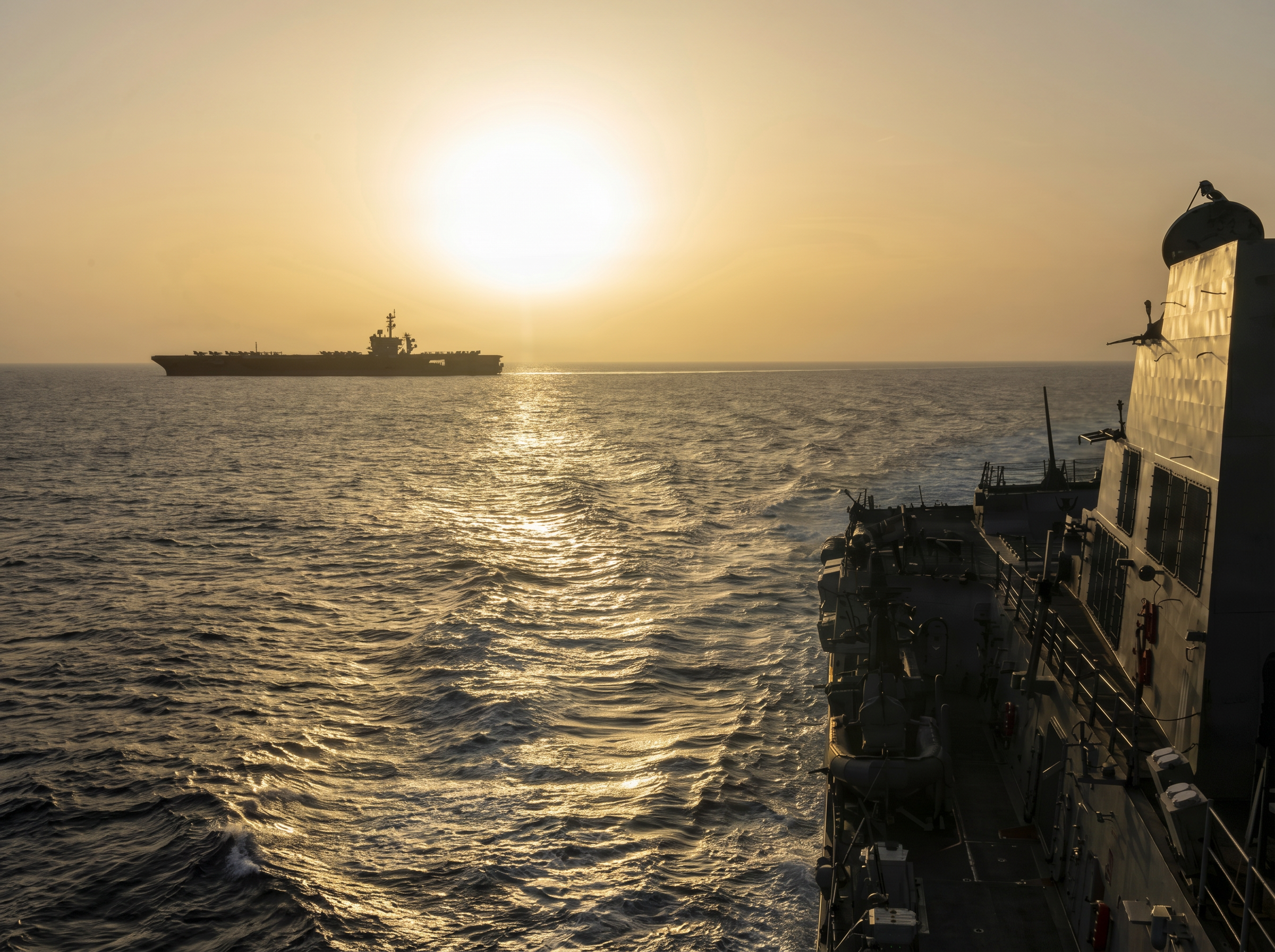
While Araghchi is set to engage with Pakistan's officials and regional partners, he has notably refrained from confirming any discussions regarding a potential peace accord with the US. Following recent escalations, US Defense Secretary Pete Hegseth stated that the naval blockade on the Strait of Hormuz would persist indefinitely as part of ongoing pressure on Iran.
"The ball is in their court," Hegseth remarked, indicating the US position remains firm. The US blockade aims to deter any hostile actions from Iran, and recent military activities have amplified calls for negotiation.
The Role of Pakistan as a Mediator
Pakistan has taken on a role as a mediator in the discussions between Iran and the US, pushing for a continuation of the ceasefire negotiations initially set in motion earlier this month. The Iranian foreign minister's scheduled talks with senior Pakistani officials, including military chief Field Marshal Asim Munir, suggest an effort to recalibrate diplomatic channels amid the persistent strife.
Regional Context: Lebanon and Iraq
In parallel to these developments, Israel has extended a ceasefire with Lebanon amidst ongoing conflict with Hezbollah, complicating the regional security situation. Reports indicate ongoing drone strikes from Iraq targeting Kuwaiti border posts, hinting at broader implications of the Iran–US tensions on neighboring countries.
This regional instability underscores the need for diplomatic interventions, with Iranian officials continuing to express concerns over US military actions and Israeli aggression, making the role of Pakistan crucial in alleviating these tensions.
International Reactions
Global acknowledgment of the importance of dialogue in the region was echoed by various international leaders. French President Emmanuel Macron expressed readiness to support reconstruction efforts in Lebanon when conditions permit, reinforcing international commitment to stabilize the region.
As Araghchi's visit unfolds, the intricate balance of diplomacy, military engagements, and regional allegiances will continue to shape the Middle East's security landscape.
Popular news
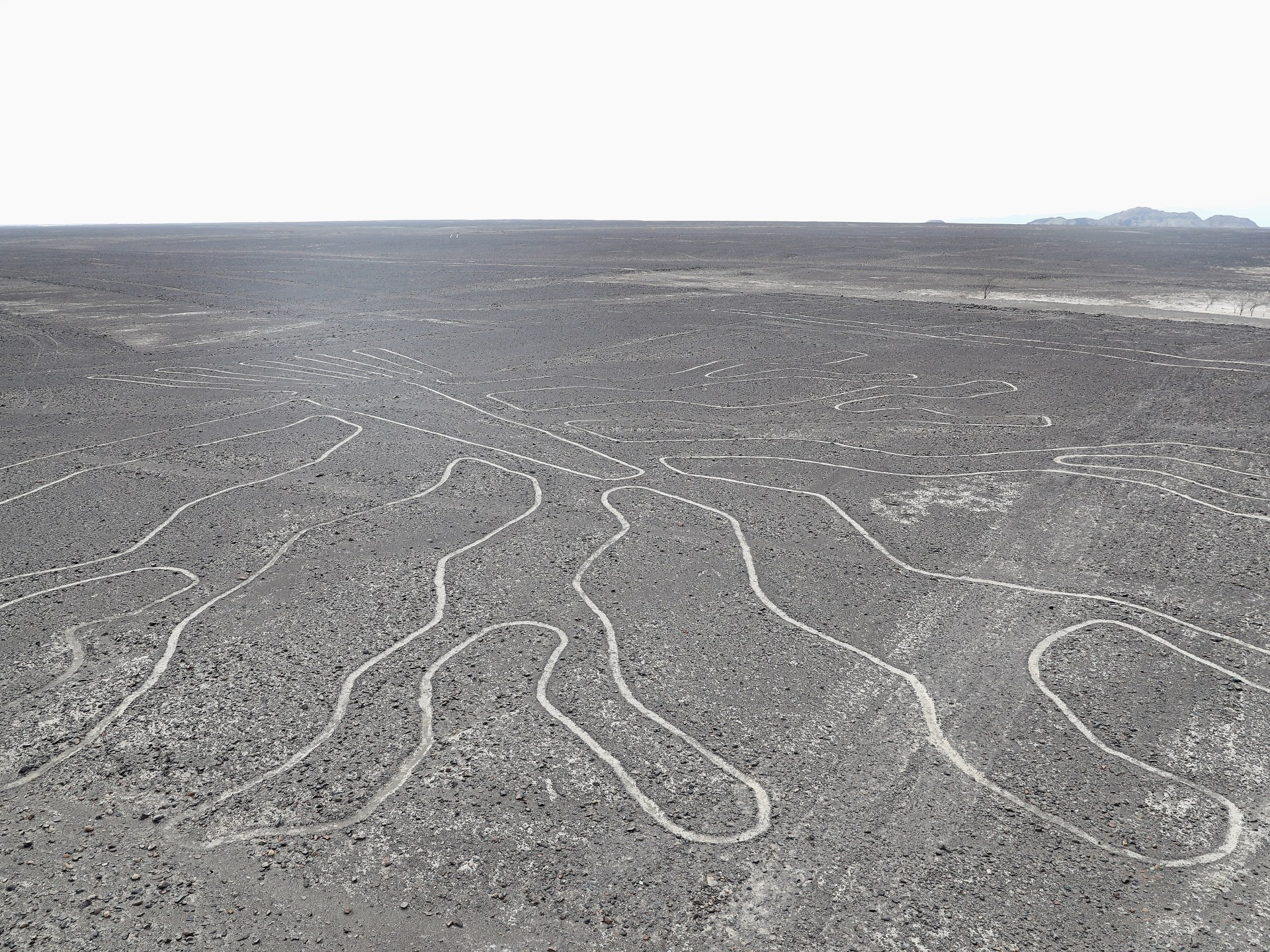
A small plane crash while touring the Nazca Lines in Peru has resulted in 13 fatalities, including tourists and crew.

Subscribe to
our news
Get the most important updates and top stories in your inbox.