





 World10 May 2026
Israeli Weapons Deploy Tungsten Cubes in Lebanon, Causing Civilian Injuries
Israeli weapons are reportedly firing tungsten cubes in Lebanon, causing severe civilian injuries, similar to attacks in Gaza.
Increased Use of Indiscriminate Weapons in Lebanon
Recent developments have shown that Israeli weapons have been deploying tiny tungsten cubes in Lebanon, leading to significant injuries among civilians. War surgeon Dr. Tahir Mohammed reported these findings, drawing direct parallels to similar attacks conducted in Gaza. The usage of such indiscriminate weapons ignites serious concerns regarding the safety and well-being of non-combatants in conflict zones.
Context of the Weaponry
The battlefield tactics employed have raised alarms among humanitarian organizations and medical professionals alike. These tungsten cubes are specifically designed to cause devastating internal harm when they strike their targets, resulting in critical injuries that often necessitate complex medical interventions.
Dr. Mohammed, who has treated numerous patients affected by these weapons, underscored the terrifying reality faced by civilians.
Comparison Between Gaza and Lebanon
Dr. Mohammed’s analysis highlights a recurring theme of escalating violence in both regions. He stated that the injury patterns and the type of weaponry deployed are consistent, raising questions about the overarching military strategy used by Israel. The notion that these weapons are being utilized without regard for civilian life has sparked international outcry.
Impact on Civilian Life
As tensions escalate, the impact on civilians caught in these conflicts becomes increasingly dire. The use of such lethal technology underscores the urgent need for international oversight and intervention to protect those who are not involved in the fighting. Reports from medical teams in the region have documented a troubling rise in the number of injured non-combatants, adding to the ongoing humanitarian crisis.
Popular news
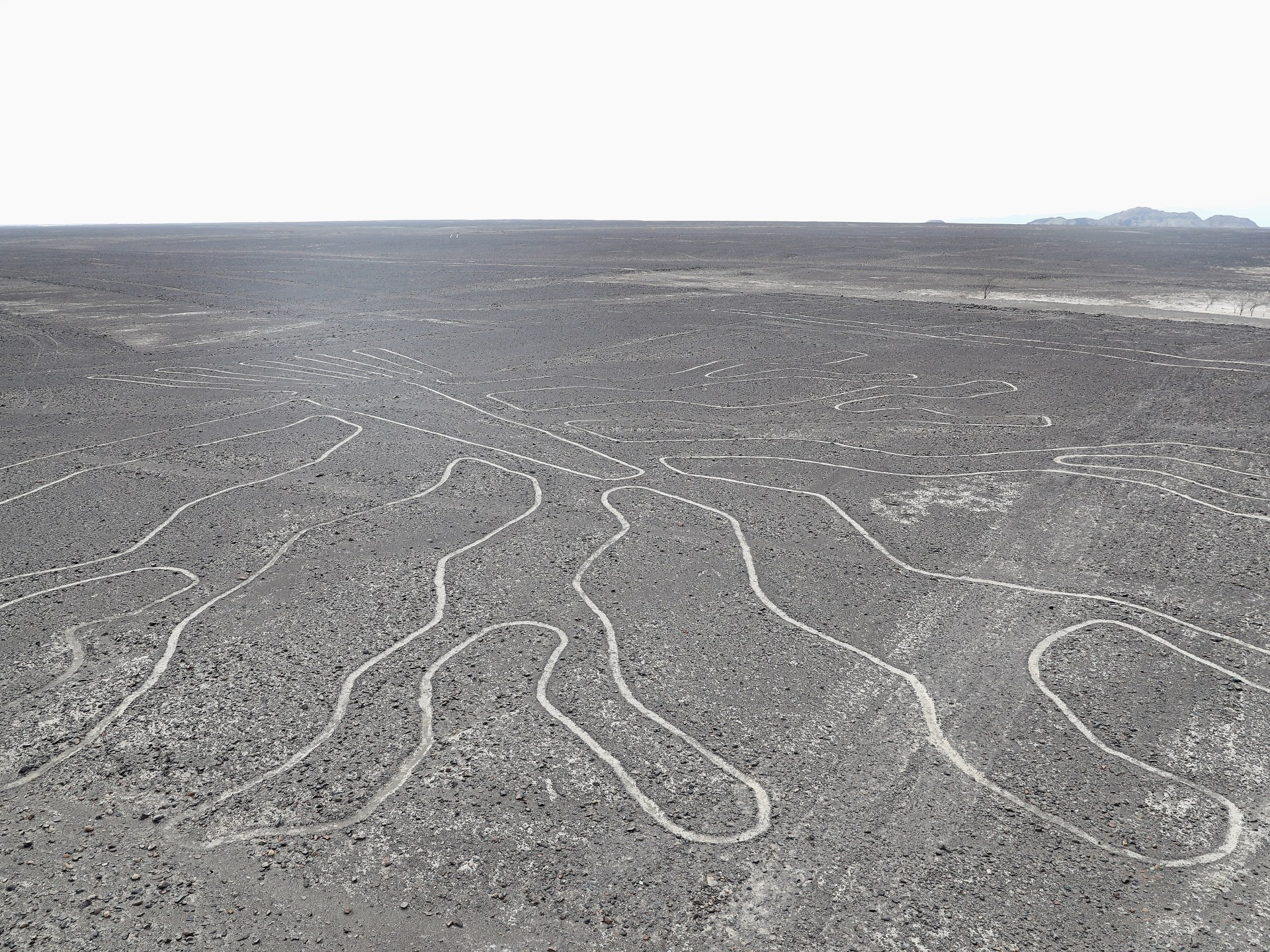
A small plane crash while touring the Nazca Lines in Peru has resulted in 13 fatalities, including tourists and crew.



Subscribe to
our news
Get the most important updates and top stories in your inbox.