




 Business02 Jun 2026
Job Cuts or Job Change? AI Debate Heats Up in Australia
A Mercer survey shows AI could eliminate 20% of Australian jobs in two years, sparking concern over workforce adaptation.
AI's Growing Role in the Australian Workforce
A recent survey conducted by Mercer sheds light on the potential repercussions of artificial intelligence (AI) on employment across Australia. According to the study, over half of Australian companies anticipate that AI will lead to the elimination of up to 20% of jobs within the next two years. This finding raises significant concerns regarding the future of employment, particularly among recent graduates and those already in the workforce.
Declining Confidence Amid Uncertainty
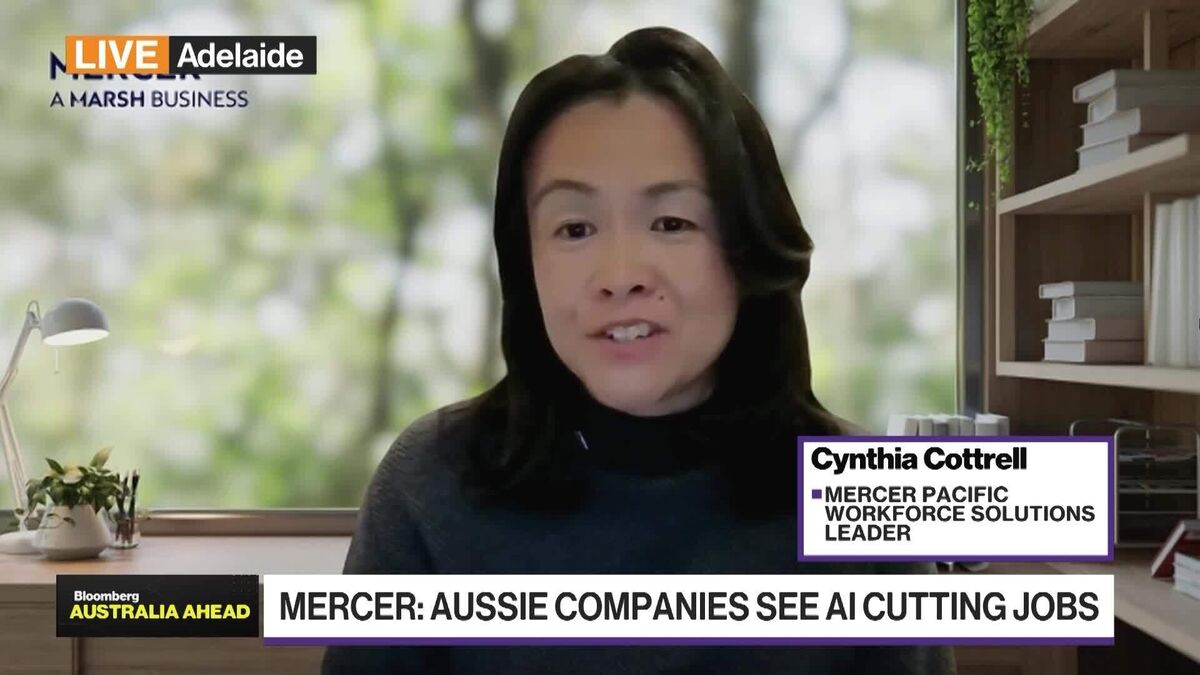
As these projections come to light, worker confidence appears to be declining. The survey reflects a growing anxiety among employees regarding job security in an environment increasingly influenced by technological advancements. Mercer Workforce Solutions Leader, Cynthia Cottrell, elaborated on this sentiment during an interview on Bloomberg: The Asia Trade, highlighting that the fear of job losses is accentuated by the uneven pace of AI adoption across industries.
Implications of Restructuring
The Mercer survey also emphasizes the rising trend of corporate restructuring as businesses seek to integrate AI tools while still maintaining efficiency. Cottrell noted that some companies are re-evaluating their workforce needs, leading to a disjointed landscape where not all employees can keep pace with new technological demands. This situation presents a challenge for both organizations and workers, who must adapt to the fast-evolving environment.
Future Job Landscape
The implications for job seekers, particularly new graduates, are profound. If a significant number of roles are to be rendered obsolete, it poses the question of how effectively educational institutions can prepare individuals for the transformed workforce. Cottrell's insights point to an urgent need for a strategy to equip workers with the skills necessary to thrive amid technological disruption. The future, according to Cottrell, will depend on how swiftly industries can upskill their employees while nurturing a climate of innovation and resilience.
The conversation about AI's impact on employment is more relevant than ever as businesses, policymakers, and education systems grapple with the impending changes to the job market, and the need for proactive measures is paramount to securing jobs for the future.
Popular news
New York has declared a disaster emergency over rising measles cases, especially among under-immunized populations, with 108 confirmed cases.





Subscribe to
our news
Get the most important updates and top stories in your inbox.