




 Business29 Jul 2026
Key Insights from Mark Zuckerberg's Recent Media Engagement
Mark Zuckerberg's media blitz highlights the importance of decentralizing AI and its potential for job creation and innovation.
Zuckerberg's Media Blitz: A Strategy to Shape the AI Conversation
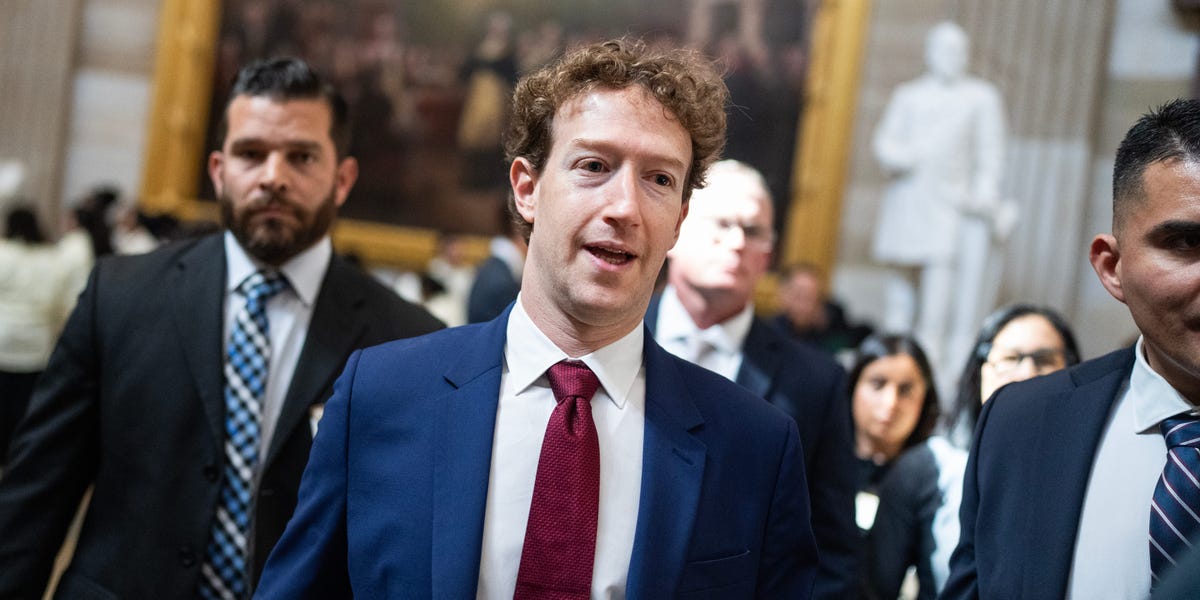
In a concerted effort to steer the narrative surrounding artificial intelligence (AI), Meta CEO Mark Zuckerberg engaged in a significant media blitz. Within the span of a week, he published an open letter, contributed an op-ed to the Wall Street Journal, and participated in an interview with The New York Times. His overarching message throughout these platforms was clear: AI development should prioritize decentralization and individual empowerment rather than automation and central control.
Key Takeaways from Zuckerberg's Message
Zuckerberg's appearances highlighted three major themes that he believes are crucial for the future of AI.
1. The Dangers of Centralized AI
Zuckerberg strongly argued against the concentration of AI technology in the hands of a few powerful corporations. He warned that this trend could lead to significant economic and political risks. In his open letter, he stated that America’s competitive edge lies in decentralized and open innovation. Attempting to restrict AI access to counter foreign competitors, such as China, would ultimately put the U.S. and its allies at a disadvantage.
In his interview with The New York Times, Zuckerberg stated, "So much of the discourse from a lot of the other labs that are developing this is overwhelmingly filled with doom. There needs to be a voice or several voices that are bringing realism to this debate."
2. AI's Job Creation Potential
Addressing the prevalent concern that AI might lead to mass unemployment, Zuckerberg was adamant that this perspective is misguided. He questioned the logic behind creating a future that reduces jobs, stating, "I don't understand why anyone who believes that AI will eliminate most jobs and much of humanity's relevance would rush to build that future." Instead, he proposed that AI could usher in a new wave of job creation, making it easier for entrepreneurs to launch businesses and, consequently, fostering a more vibrant economy.
3. Focusing on Invention Over Automation
Rather than framing AI merely as a tool for automating existing tasks, Zuckerberg emphasized its potential to facilitate invention. He argued that the most significant contributions of AI would come from its ability to help individuals create new solutions and innovations, such as developing new medicines and tackling pressing societal challenges. He wrote, "Invention, not automation, will be the greatest contribution of superintelligence," asserting that the greatest benefits would emerge from allowing diverse voices to define what matters to them.
Conclusion
Mark Zuckerberg’s proactive media engagement serves not only to share his vision for the future of AI but also to address and counter prevalent fears regarding its implications. By advocating for a decentralized approach and emphasizing the opportunities for job creation and invention, Zuckerberg positions himself as a key player in the ongoing dialogue about the ethical development and application of artificial intelligence.
Popular news
New York has declared a disaster emergency over rising measles cases, especially among under-immunized populations, with 108 confirmed cases.



Subscribe to
our news
Get the most important updates and top stories in your inbox.