 Technology01 Oct 2026
Kids Don't Need Chatbots: Rethinking AI Education in Schools
Experts suggest schools focus on foundational AI education instead of relying on chatbots, advocating for a broader understanding of technology.
The Rise of AI in K-12 Education
The rapid integration of artificial intelligence (AI) into American life has raised significant challenges for K-12 education. School boards and teachers are particularly concerned about how to effectively incorporate AI into students' learning experiences. While some educators are already using AI to enhance lesson planning and offer personalized support to students, the growing dependence on chatbots in classrooms presents a different dilemma.
The Misguided Focus on Chatbots
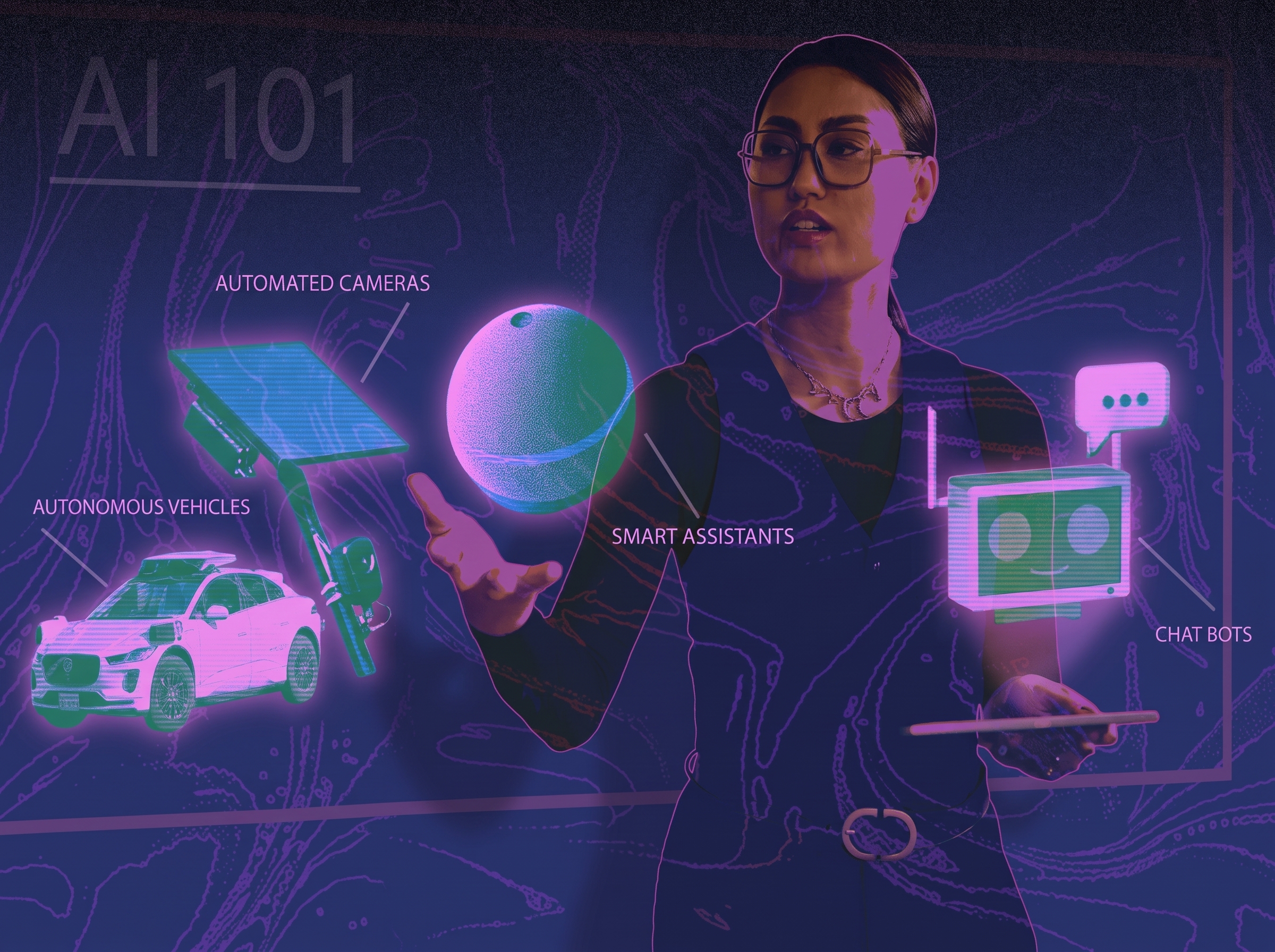
Dr. Shuchi Grover, a renowned computer and learning scientist, argues against over-reliance on chatbots as the primary tool for teaching students about AI. She posits that such an approach is shortsighted and suggests redirecting focus toward foundational computer science education. Grover highlights that students encounter AI in numerous applications such as algorithms, autonomous vehicles, voice assistants, and facial recognition systems, indicating that limiting their learning to chatbots is insufficient.
Risks Associated with Chatbots in the Classroom
Focusing solely on chatbot interaction can lead to several issues. There are potential risks surrounding privacy and safety, as student interactions with chatbots could be used as training data for companies. Moreover, Grover points out the danger of students increasingly relying on AI for cognitive tasks, which might stifle their own creativity and critical thinking skills.
Teaching AI Effectively
According to Grover, while AI technologies like chatbots can have educational benefits, they should not dominate the learning process. Instead, she advocates for a structured computer science curriculum that allows students to gain a comprehensive understanding of AI technology.
New Standards for AI Education
The Computer Science Teachers Association has released standards for AI education that aim to provide a robust framework for teaching students from pre-kindergarten through high school. These standards emphasize the importance of understanding how AI functions beyond mere prompting.
Engaging Young Learners
In elementary education, students can begin by learning how algorithms impact outcomes and how data trains machine learning models. As they progress to middle school, students are encouraged to analyze AI-generated code and apply AI tools in real projects without being overly reliant on mainstream chatbots.
Preparing High School Students for the Future
High school students are tasked with more complex engagements with AI, including understanding neural networks and integrating AI algorithms into applications. Grover and other educators believe these skills will equip students with the knowledge they need for a future where technology is increasingly embedded in everyday life.
Overcoming Implementation Challenges
Despite the clarity of AI education's necessity, various barriers hinder the effective implementation of computer science curricula in schools. For starters, not all schools have the infrastructure required to support advanced computer science instruction, including reliable internet and access to modern technology.
Curriculum Relevance and Teacher Training
The relevance of curriculum to students' lives is crucial, and resources provided by initiatives like AI4K12 can aid schools in selecting appropriate materials. Additionally, the lack of trained educators can pose challenges; often, teachers are adopting computer science subjects without prior experience.
The Danger of AI Hype in Education
Grover cautions against succumbing to the hype surrounding commercial chatbots in educational settings. She argues that market pressures are pushing these technologies into classrooms, potentially detracting from the core educational objectives that should prioritize robust computer science education.
In summary, a foundational approach to AI education that emphasizes understanding over mere interaction with chatbots could better prepare students for the complexities of a technology-driven future. Education should avoid becoming ensnared in commercial trends and instead focus on equipping students with the skills necessary to navigate an AI-infused world confidently.
Popular news
Timnit Gebru, Ethiopian AI innovator, has won the prestigious Swedish Right Livelihood Award for her work on bias in artificial intelligence.




Subscribe to
our news
Get the most important updates and top stories in your inbox.