





 Business21 Jul 2026
Lockheed Martin Unveils New Low-Cost PAC-3 ACE Missile to Meet Global Demand
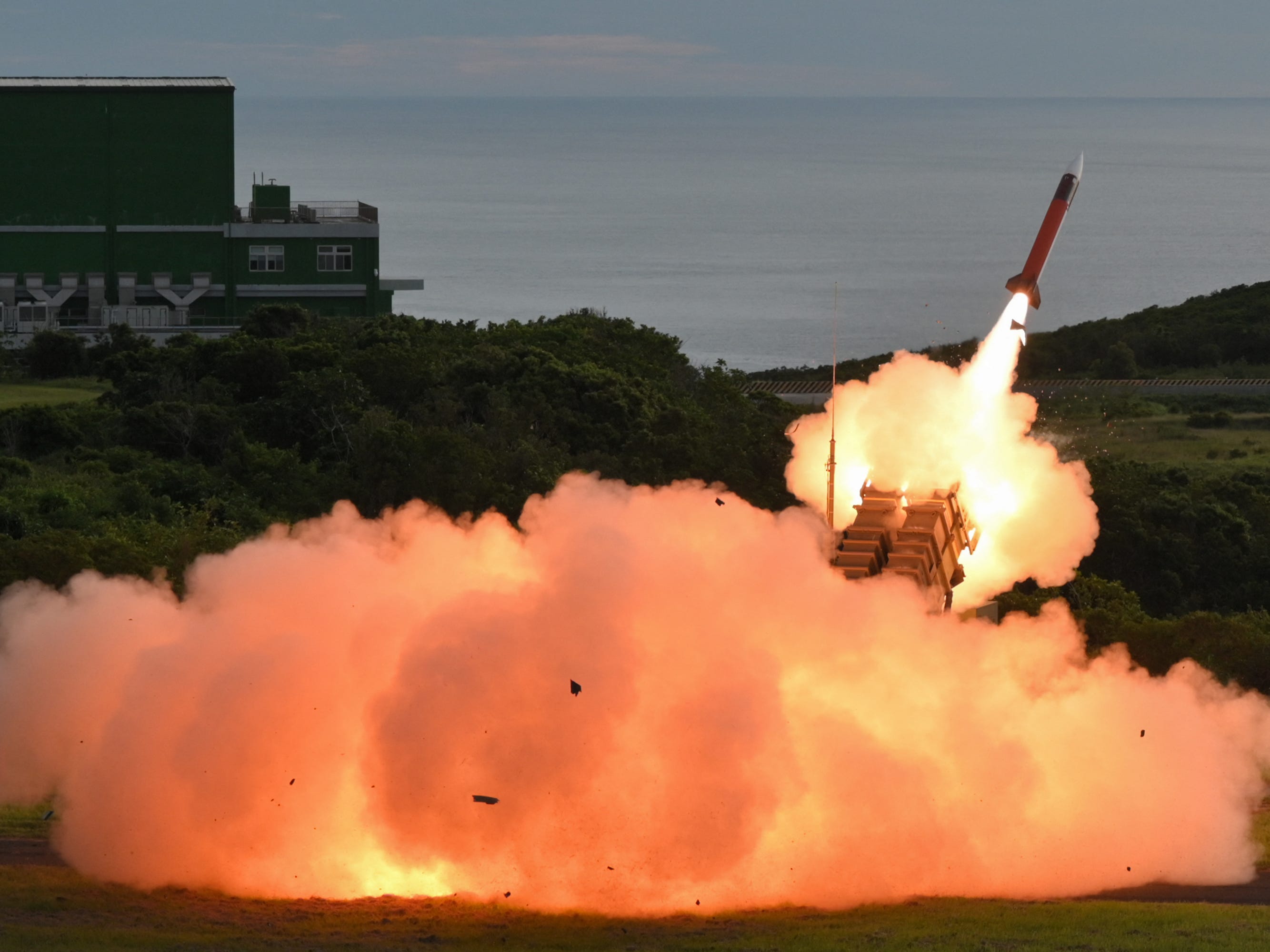
Lockheed Martin introduces the PAC-3 ACE missile, designed to be over 50% cheaper than the PAC-3 MSE, amid rising demand for air defense.
Introduction of the PAC-3 ACE
Lockheed Martin has announced the launch of its latest interceptor missile, the PAC-3 Adapted Capability Effector (ACE), which is set to revolutionize air defense with its significantly reduced cost. The new missile is designed to be less than half the price of the standard PAC-3 Missile Segment Enhancement (MSE), which currently costs approximately $4.2 million each.
Meeting Global Air Defense Needs
The introduction of the PAC-3 ACE comes at a critical time, as global demand for air defense systems has surged due to ongoing conflicts in Ukraine and the Middle East. These conflicts have severely depleted existing stockpiles of interceptors, prompting nations to seek more cost-effective solutions to bolster their defenses. Lockheed Martin's new offering is designed to address these challenges while maintaining effectiveness against a broad spectrum of air and missile threats.
Features of the PAC-3 ACE
Lockheed Martin describes the PAC-3 ACE as a "low-cost interceptor" that integrates seamlessly with the existing Patriot missile system. It is expected to counter advanced threat vectors, including air-breathing, cruise, and ballistic missiles, ensuring that defense forces remain equipped to engage modern combat scenarios.
While the precise cost of the PAC-3 ACE has not been disclosed, the company emphasizes that it is aimed squarely at providing a more affordable alternative without compromising on capability. This strategic move aims to facilitate rapid replenishment of air-defense munitions globally.
Collaborations and Production Plans
Lockheed Martin announced plans to collaborate with European defense industries to enhance production capabilities for the PAC-3 ACE. Currently, the company produces about 600 PAC-3 MSE units annually, but it has committed to significantly ramping up production rates in response to the heightened demand. This includes expediting the development, testing, and deployment phases, which the company claims will be faster than traditional programs.
The collaboration with European defense firms aligns with existing partnerships for the PAC-3 MSE, with various components already manufactured across NATO countries including Germany and Poland. Such collaborative efforts aim to streamline production and ensure timely delivery of the new missile system to military forces in need.
Conclusion
As conflicts continue to escalate, the introduction of the PAC-3 ACE by Lockheed Martin marks a pivotal development in the air defense landscape. The emphasis on a more affordable and effective missile solution reflects the urgent demands of nations seeking to protect their airspace against increasingly sophisticated threats. With rising concerns about stockpile sustainability, the PAC-3 ACE positions itself as a crucial component in modern defense strategies.
Popular news
New York has declared a disaster emergency over rising measles cases, especially among under-immunized populations, with 108 confirmed cases.





Subscribe to
our news
Get the most important updates and top stories in your inbox.
