





 Technology12 May 2026
Lotus Reintroduces Combustion Engines with Focus 2030 Plan
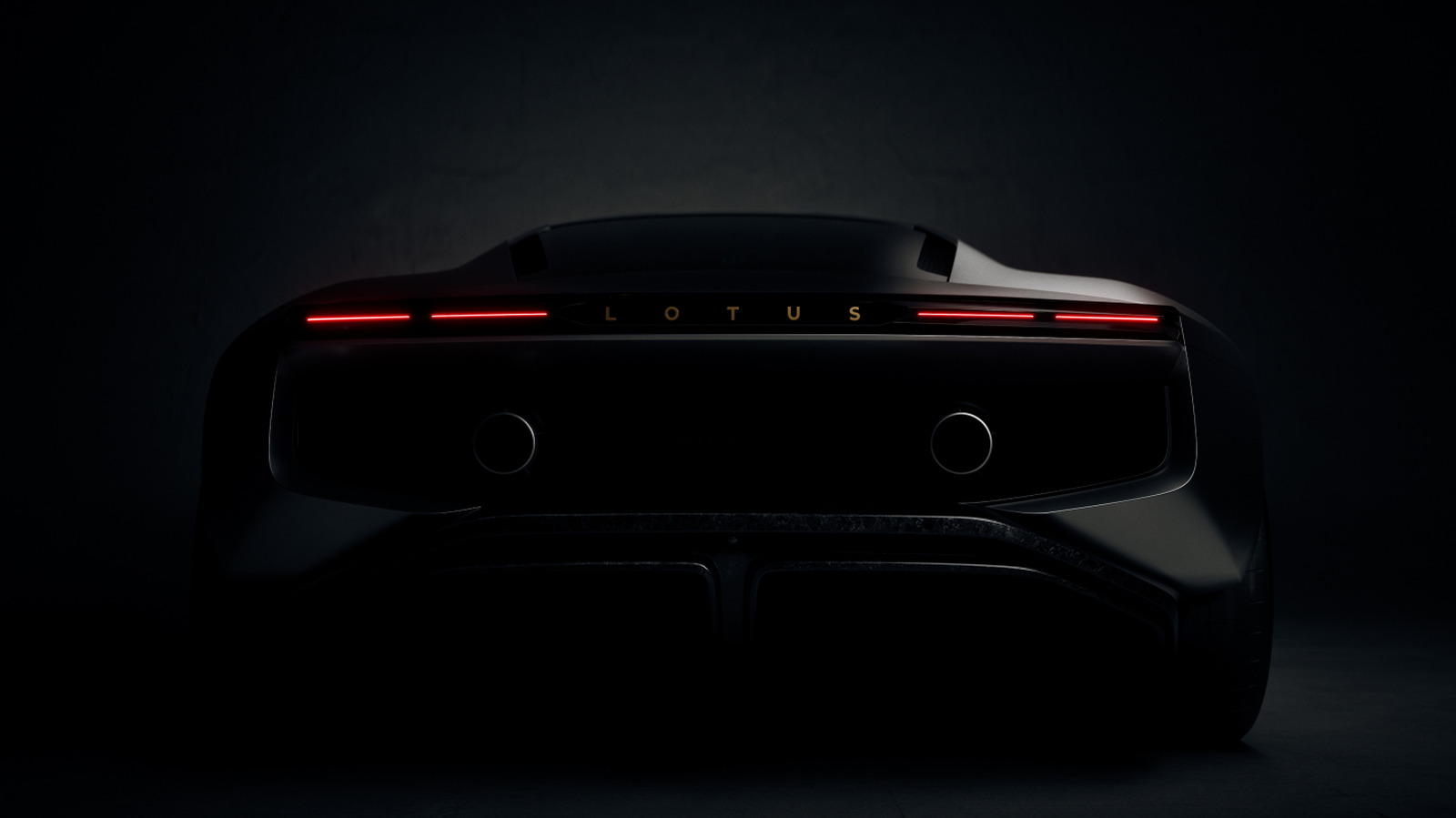
Lotus returns to combustion engines with a new strategy, unveiling its Focus 2030 initiative and the upcoming Type 135 supercar.
Lotus Announces Major Shift with Focus 2030 Initiative
Lotus, the British automotive manufacturer, has made headlines with its latest announcement regarding a significant shift in its production strategy. Having previously committed to transitioning entirely to electric vehicles, the company now reveals its plan to reintroduce combustion engines alongside hybrid technologies through its newly unveiled Focus 2030 initiative.
New Engines, New Vision
This shift comes as part of Lotus's vision to incorporate both hybrid and internal combustion engine (ICE) technologies into its future models. The highlight of this initiative is the upcoming Type 135 supercar, which is expected to be equipped with a powerful hybrid V8 engine, capable of delivering an impressive 986 horsepower. This flagship model is slated to debut in 2028, marking a significant return to Lotus’s roots in performance-oriented combustion vehicles.
In addition to the Type 135, Lotus has teased an update to the Emira, its last gas-powered vehicle, which is anticipated to be announced shortly. This update promises to highlight the most powerful and lightweight version of the Emira to date, catering to the ongoing demand for gas-powered sports cars.
Acknowledging Past Ambitions
The announcement also reflects a recalibration of expectations for the company’s sales performance. Previously, Lotus had ambitious goals set to sell 150,000 units per year, propelled by Geely, its parent company. However, in light of current market realities, this target has been significantly lowered to 30,000 vehicles annually. Despite the optimism surrounding this new sales target, it still represents a challenge, especially considering that current annual sales often fall below 10,000 units.
Innovation and Future Prospects
With the introduction of hybrid technologies such as Hybrid-X, showcased in the Chinese version of the Eletre SUV, Lotus aims to blend performance with sustainability. This dual approach will allow the company to innovate while still honoring its high-performance legacy. The Type 135 supercar, in particular, is seen as a cornerstone for the brand's future, where cutting-edge technology will meet traditional engineering excellence.
As the automotive landscape evolves, Lotus is looking to regain its competitive edge while adapting to consumer preferences and environmental considerations. The prospect of reintroducing combustion engines paired with hybrid technology signals a transformative period for the brand as it navigates both challenges and opportunities in the coming decade.
The reunion of petrol engines with Lotus's iconic models evokes a sense of nostalgia among fans and enthusiasts. As the company redefines its trajectory, many are eager to see how these new strategies will unfold in practice, bringing a balance between innovation and tradition.
Conclusion
As Lotus embarks on this new chapter with its Focus 2030 initiative, the automotive world watches closely. The mix of electric, hybrid, and combustion technologies represents a significant turnaround, showcasing Lotus's commitment to performance while adapting to the shifting landscape of the auto industry.
Popular news
A small plane crash while touring the Nazca Lines in Peru has resulted in 13 fatalities, including tourists and crew.





Subscribe to
our news
Get the most important updates and top stories in your inbox.
