




 World16 Jul 2026
Managing an Ally: The Real Challenge in the Iran Negotiations
The U.S. faces a significant challenge in Iran talks—not Iran, but managing Israel's actions amid fears of assassination plots.
The Complex Dynamics of Iran-U.S. Negotiations
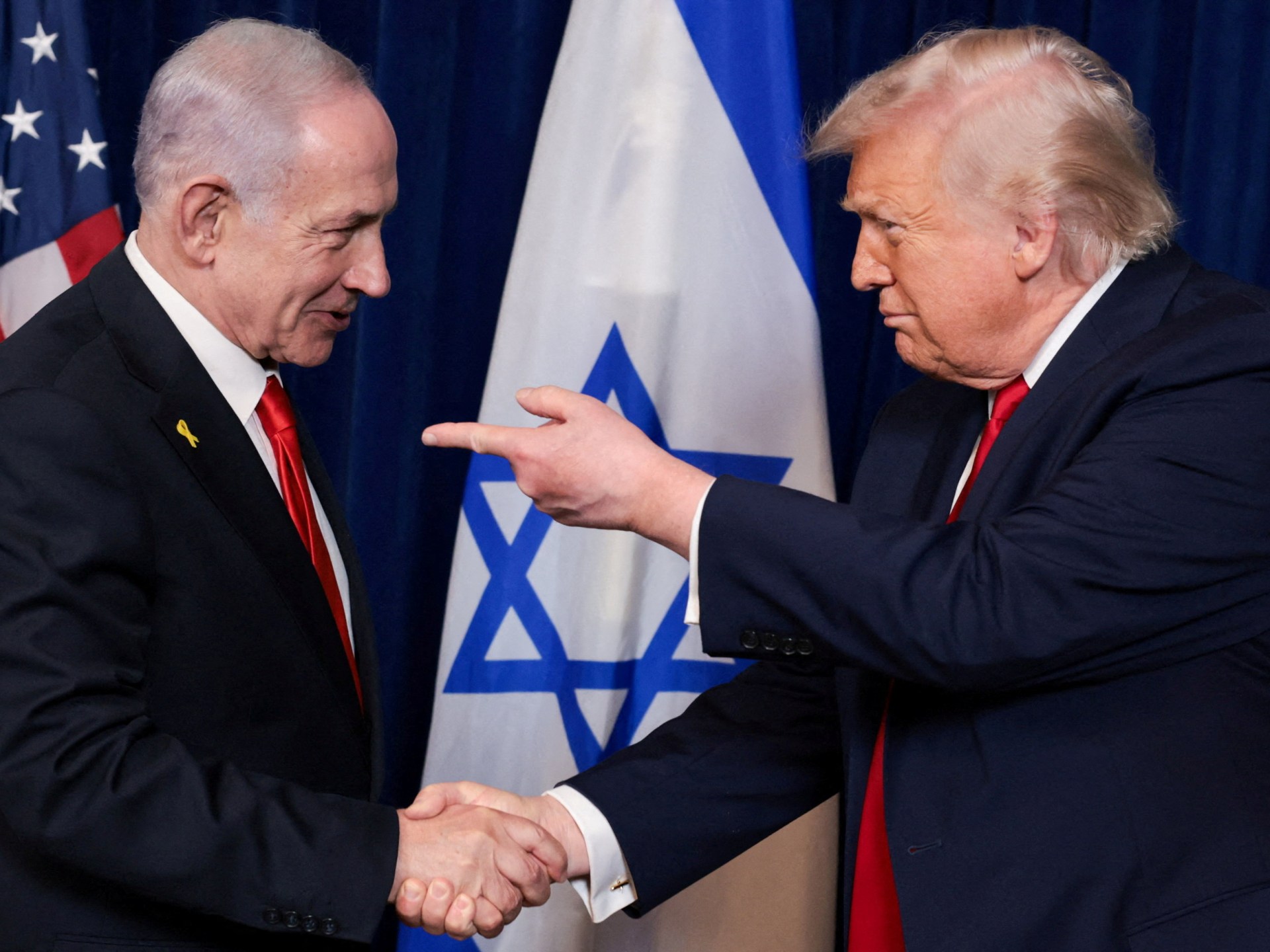
As international negotiations surrounding Iran's nuclear program intensify, a notable shift has emerged in the dynamics of the talks. While Washington’s focus is ostensibly on negotiating with Tehran, the harder task may actually lie in managing its close ally, Israel. Recent reports indicate U.S. officials have taken extraordinary steps to caution Iran about potential Israeli plots to assassinate key Iranian negotiators, showcasing the delicate and often strained relationship between the two allies.
Rising Tensions Amidst Negotiations
According to a New York Times report confirmed by multiple U.S. officials, Washington discreetly communicated with other governments to alert Iran about possible assassination attempts targeting Iranian Foreign Minister Abbas Araghchi and Parliament Speaker Mohammad Bagher Ghalibaf. This unprecedented action, described by analysts as uncharacteristic of the U.S.-Israel alliance, underscores the depth of concern surrounding Israel's aggressive stance in the negotiations.
U.S. officials recognized that the greatest threat might not come from Iran, which has historically been seen as an adversary, but from an ally that has adopted a hardened position against any diplomatic progress. Israel has expressed vehement opposition to the talks, viewing them not only as detrimental but also as a potential harbinger of regime stabilization in Iran.
Historical Context of Spoilers in Negotiations
The concept of a “spoiler”—an actor opposed to a peace process—usually applies to adversaries, but the current situation reveals that even allies can fit this description. This is especially evident given Israel's prior actions, where strikes against prominent Iranian figures such as former foreign minister Ali Larijani significantly hampered diplomatic progress in past negotiations.
The scenario also highlights the intricacies involved when an allied country perceives a peace process as a threat to its national security interests. The current Israeli leadership, particularly under Prime Minister Benjamin Netanyahu, has justified military actions by perceiving Iran's negotiations as a direct challenge to its global standing and security. Recent Israeli domestic reports have suggested that Netanyahu's administration has even pressured its intelligence services to support inflated narratives regarding successes against Iran, further complicating the diplomatic landscape.
The Role of Internal Factions and Alliance Management
This diplomatic conundrum is exacerbated by the internal politics within Iran and Israel. Notably, the Iranian government faces its own factions that can obstruct diplomatic talks, evidenced by continued military strikes in the Gulf and threats from the Islamic Revolutionary Guard Corps (IRGC) to abandon negotiations altogether.
This dual-layered conflict—external pressure from Israel as an ally and internal divisions within Iran—requires Washington to adopt an unconventional approach toward managing spoilers in peace processes. Traditional tools such as coercion or inducement are not viable when the spoiler is a strategic partner.
A Path Forward: Stabilizing Through Third Parties
Given the complexity of the current situation, U.S. officials may need to consider alternative strategies, such as leveraging third-party nations to stabilize the dialogue. Engaging countries like Pakistan and Qatar, who have previously acted as intermediaries, may be essential in ensuring that negotiations can proceed without violent interruptions from any party.
For instance, during fears of potential attacks on its negotiating team, Iran successfully sought reassurance from Pakistan through diplomatic channels, highlighting the importance of third-party guarantees in the midst of tension. As talks unfold, the primary goal for U.S. diplomacy should not only be to push for progress but also to maintain stability by creating a buffer against potential escalations.
U.S. Vice President JD Vance recently expressed the challenges inherent in publically confronting Israel concerning its harmful actions in the peace talks. The U.S. is thus forced to navigate this treacherous landscape with care, balancing its commitment to Israel against the need to engage successfully with Iran.
In conclusion, while the U.S. strives to foster dialogue with Iran, the real test may lie in controlling the actions of its ally, Israel. It is clear that the challenges of this negotiation extend beyond traditional diplomatic practices and require innovative approaches to ensure a sustainable peace process.
Popular news
The US military's deployment in the Middle East intensifies risks of conflict with Iran amid stalled diplomatic efforts and significant sanctions.




Subscribe to
our news
Get the most important updates and top stories in your inbox.