




 Technology07 May 2026
NASA Study Reveals Timeline of Baby Star Clusters' Emergence
A NASA study reveals larger baby star clusters emerge from gas clouds faster than smaller ones, impacting star formation processes.
Discovery Unveils Star Cluster Evolution Timeline
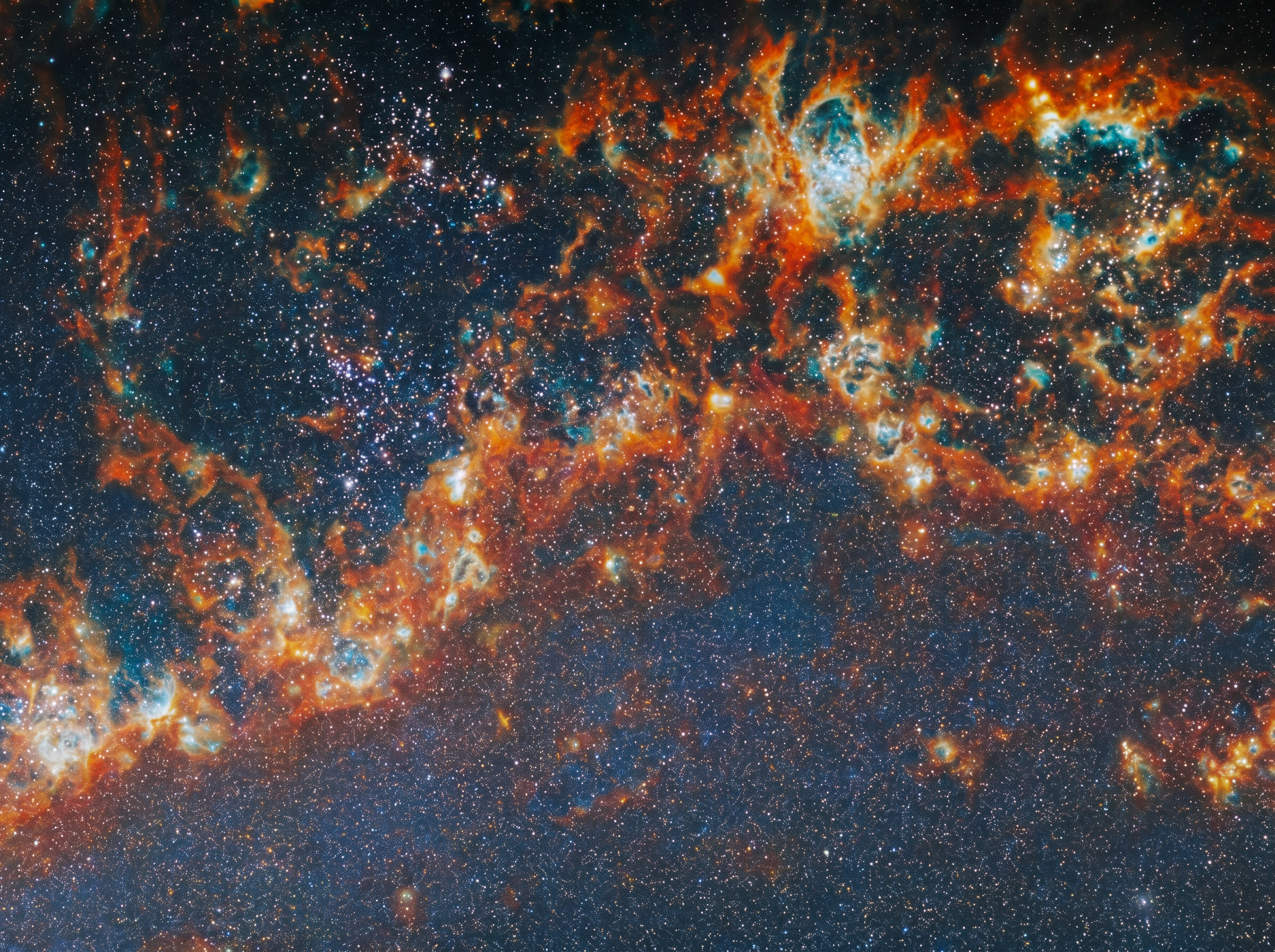
In a groundbreaking study conducted using NASA's Hubble and James Webb Space Telescopes, researchers have uncovered a distinct timeline regarding how quickly newborn star clusters emerge from their surrounding gas clouds. This research, which analyzed nearly 9,000 star clusters across four galaxies—Messier 51, Messier 83, NGC 4449, and NGC 628—demonstrates that larger star clusters disperse the dust that conceals them much more rapidly than their smaller counterparts.
Insights from the Study
According to the research findings, large clusters take about 5 million years to clear their natal gas and dust, whereas smaller clusters require around 7 to 8 million years. This information sheds light on the processes involved in star formation, suggesting that stellar feedback—such as radiation, stellar winds, and supernovae—significantly influences the conditions for future star and planet formation within galaxies.
Angela Adamo, a lead author from Stockholm University's Oskar Klein Centre, emphasized the importance of these measurements published in Nature Astronomy. "These new insights provide quantifiable data on a previously ambiguous phenomena in stellar evolution."
Methods of Investigation
Due to the impossibility of observing a single star cluster for millions of years directly in space, researchers utilized a method of analyzing multiple clusters at varying stages of development, treating their observations as sequential snapshots. They noted that while the clusters all started under similar conditions—immersed deeply within thick clouds of gas and dust—how quickly they evolved depended largely on their mass.
As the infant stars within these clusters gain energy, they interact with their environment, sending out radiation and stellar winds that gradually push the enveloping gas and dust away. By counting how many clusters exist at each stage of emergence, researchers estimated the duration each phase endures within this sequence.
Popular news
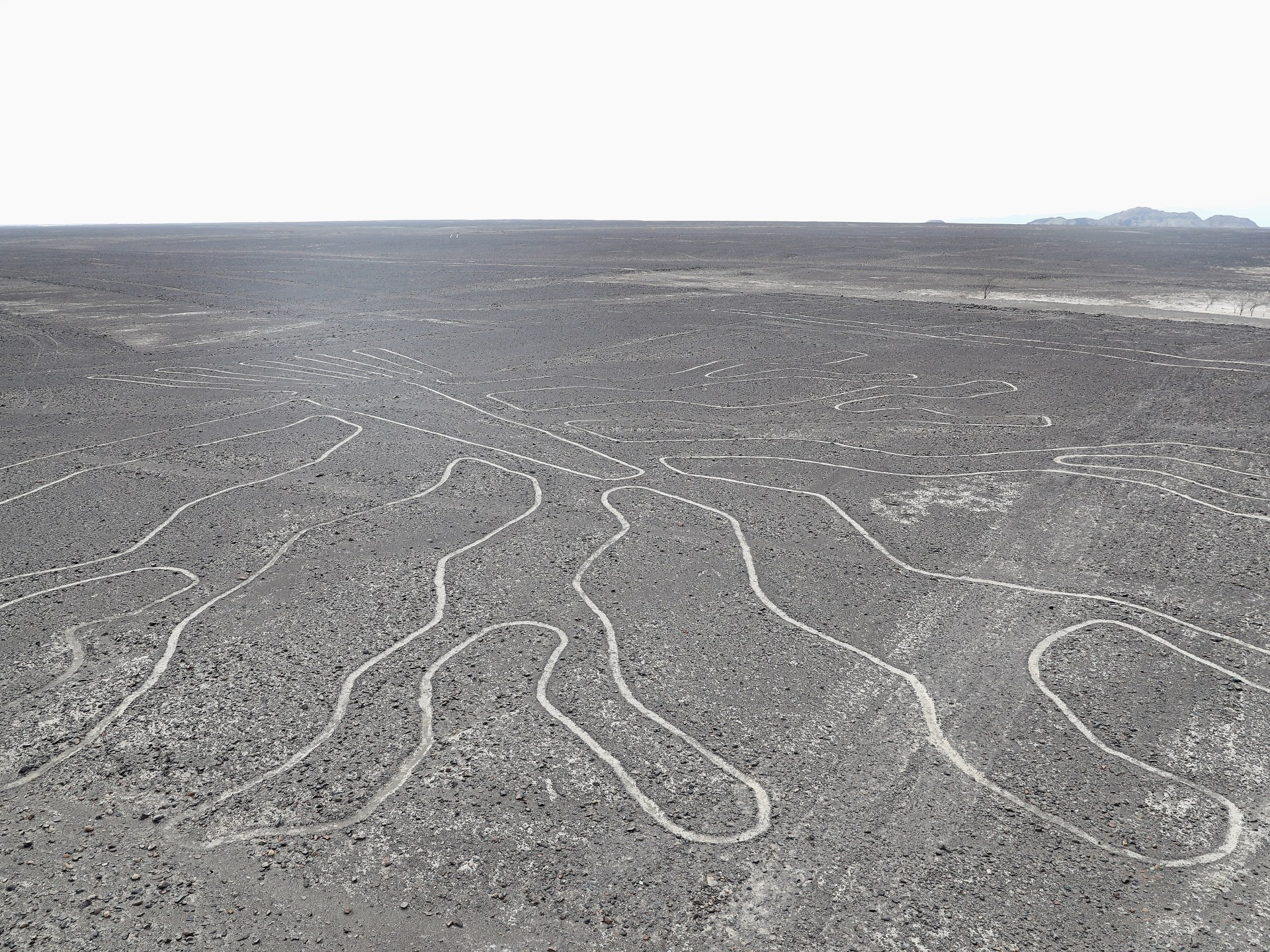
A small plane crash while touring the Nazca Lines in Peru has resulted in 13 fatalities, including tourists and crew.




Subscribe to
our news
Get the most important updates and top stories in your inbox.