




 Technology13 May 2026
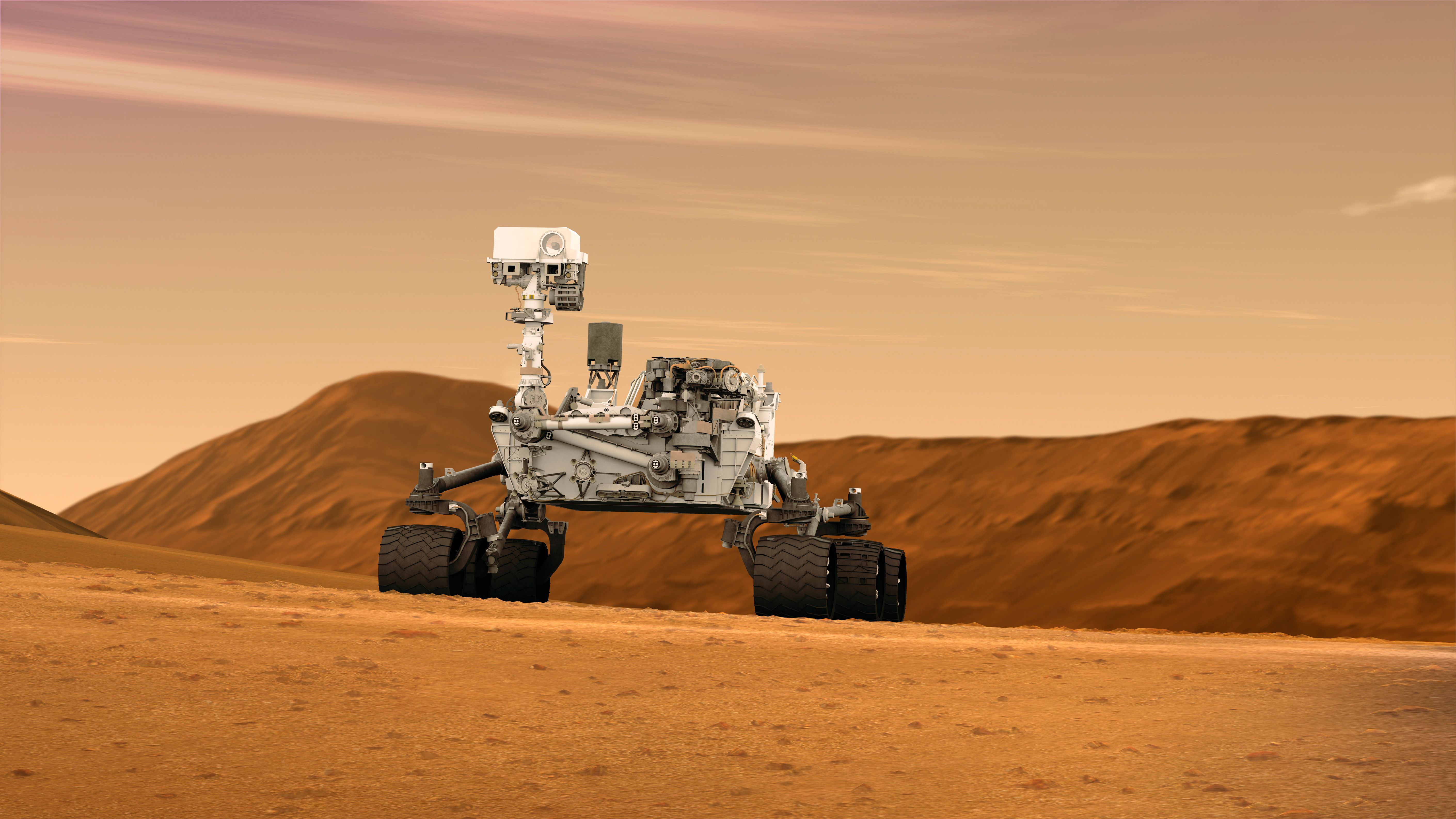
NASA’s Curiosity Rover Successfully Frees Stuck Drill From Martian Rock
Curiosity's drill became stuck on a Martian rock, but engineers devised a plan and successfully freed it after a few attempts.
Curiosity Rover Encounters Unexpected Challenge on Mars
NASA's Curiosity Rover, which has been exploring the Martian surface since its landing in 2012, faced an unprecedented challenge recently when its drilling mechanism got stuck on a rock known as "Atacama." This incident marked the first time in nearly 14 years that a rock adhered to the drill's sleeve, leaving engineers both surprised and intrigued.
The Incident and Initial Reactions
On April 25, Curiosity drilled into the Atacama rock to collect samples for analysis. Upon retracting its robotic arm, Curiosity unexpectedly lifted the entire rock, weighing in at 28.6 pounds, off the Martian soil. Typically, drilling results in cracks or breaks in the surface, but this was a novel situation that required immediate action to prevent any operational setbacks.
According to NASA, the rover's black-and-white obstacle-detection cameras captured this unusual event, providing the necessary images that allowed engineers to formulate a recovery plan. Despite the surprise, the team was ready to tackle the unusual predicament by carefully maneuvering the rover's equipment over the following days.
Engineering Solutions to Free the Drill
Initially, engineers attempted to dislodge the rock by applying vibrations to the drill. Unfortunately, these efforts proved fruitless as attempts on April 29 only managed to shake off some sand without freeing the rock. The team then decided to re-position the robotic arm and try again, still to no avail.
However, on May 1, a breakthrough occurred. Engineers implemented a combination of adjustments, incorporating tilting and rotating the drill while continuing to apply vibrations. To their surprise, this approach worked effectively, breaking the rock loose during the first attempt. The fragment subsequently shattered as it landed on the Martian surface, allowing the rover to continue its work unimpeded.
Continuous Exploration and Discoveries
The Curiosity Rover, operated by NASA's Jet Propulsion Laboratory, has been a key player in the search for signs of past life on Mars. Since its arrival on the Red Planet, Curiosity has conducted numerous analyses and experiments, contributing vital data about the planet's geological and climatic history. For instance, in 2020, it successfully explored the Glen Torridon region within Gale Crater, where signs of ancient water presence were detected.
This recent incident not only highlights the resilience of NASA's engineering teams but also the unpredictable nature of space exploration. Curiosity continues to offer insights into Mars’s past, paving the way for future missions and discoveries.
Popular news
Netanyahu dismisses West Bank violence as actions of 'juvenile delinquents' during a UN speech, focusing on Israel's military success against Hezbollah.





Subscribe to
our news
Get the most important updates and top stories in your inbox.