




 Technology16 May 2026
NASA's Lunar Station Aims to Endure the Extreme Cold of the Moon’s Night
NASA's LEMS is set to be the first U.S. instrument to survive the moon's brutal night, crucial for future lunar missions and research.
Ensuring Survival in Lunar Night Conditions
NASA is currently testing the Lunar Environment Monitoring Station (LEMS), a pioneering device designed to be the first American instrument capable of enduring the extreme cold of the lunar night, where temperatures plummet to -330°F. Engineers at the Goddard Space Flight Center are conducting rigorous simulations of temperature cycles to prepare the LEMS for its daunting mission on the moon.
The LEMS is tasked with monitoring moonquakes and impacts across the lunar surface, providing valuable data critical for future lunar bases. If successful, the instrument could revolutionize future lunar missions by reducing reliance on complex heating systems, allowing for more straightforward operations on the moon. This innovative technology is slated for a potential launch with Artemis IV, which is targeted for 2028.
Testing LEMS in Extreme Conditions
The testing of the LEMS takes place in a thermal vacuum chamber at Goddard Space Flight Center in Maryland, where the equipment is exposed to extreme conditions ranging from 300°F to -330°F. These tests aim to replicate the severe temperature fluctuations that are expected at the lunar south pole, which has some of the most extreme temperatures in the solar system.
"No one, no American payload, as far as we know, has ever been able to say that they have survived the lunar south pole during its lunar night and been functional," stated Samantha Hicks, the lead systems engineer for LEMS. This achievement would mark a significant milestone in NASA's ambitions to establish a long-term presence on the moon.
Significance of Moonquake Monitoring
The capability of LEMS to track seismic activity is crucial. Although the moon does not have tectonic plates like Earth, it remains seismically active. Previous Apollo missions recorded moonquakes and impacts, yet those instruments became obsolete in 1977. The new device is expected to collect data for up to two years, significantly enhancing our understanding of lunar geology and its unprecedented challenges.
Naoma McCall, a co-investigator and deployment lead for LEMS, emphasized the importance of gaining further insights into the moon’s internal structure and the seismic activity that could pose risks to future human habitats. "There's a lot we don't know about the lunar interior because we only had the observations from the near side," McCall noted.
Practical Deployment of the LEMS
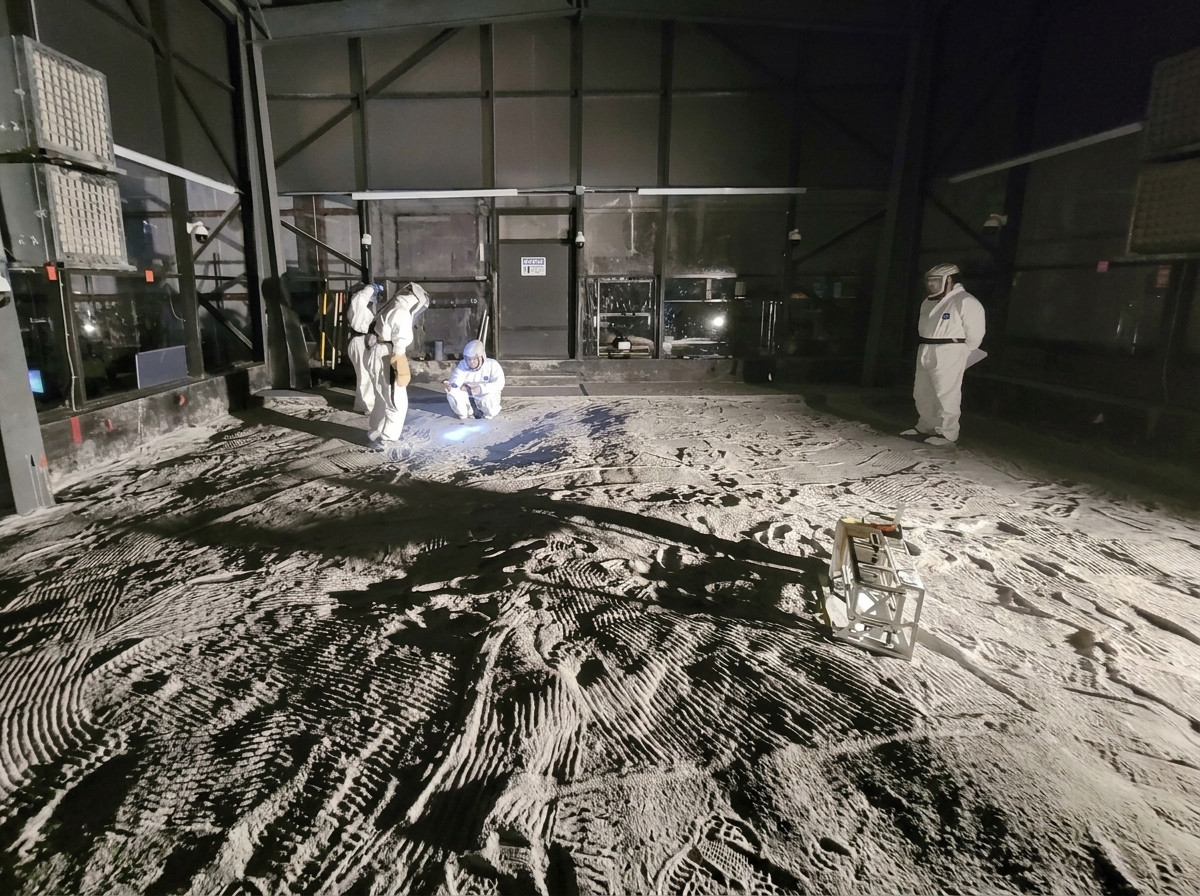
Once on the moon, astronauts will deploy the LEMS by nesting it in a trench and burying sensors nearby to optimize its functionality. The unit weighs 66 pounds, designed for one astronaut to carry, a manageable load given that all items feel lighter on the moon due to lower gravity. The deployment process has already been practiced by a NASA team using artificial moon soil to ensure simplicity and efficiency.
Innovative Thermal Protection
To protect the sensitive internal components of the LEMS from the unbearable cold, engineers have developed an advanced thermal blanket. This material, known as Integrated MultiLayer Insulation (IMLI), helps maintain optimal operating conditions between -22°F and 86°F, despite the harsh lunar environment. Special attention has also been given to the lithium-ion battery technology to ensure it remains operational during freezing conditions, addressing a significant challenge posed by lunar nights.
As preparations continue for potential deployments, NASA remains focused on evaluating whether the LEMS will launch with Artemis IV, which is pivotal for the agency's broader lunar exploration strategy. The upcoming months are dedicated to finalizing testing schedules and ensuring the instrument meets all mission parameters.
By overcoming the challenges posed by lunar nights, NASA is poised to gather critical data that will not only support the Artemis missions but also help lay the foundation for sustainable human presence on the moon.
Popular news
Netanyahu dismisses West Bank violence as actions of 'juvenile delinquents' during a UN speech, focusing on Israel's military success against Hezbollah.




Subscribe to
our news
Get the most important updates and top stories in your inbox.