





 Business13 May 2026
Nature as Water Infrastructure: A Financial Revolution
Nature is being recognized as critical water infrastructure, with innovative financing models like Cape Town's new bond leading the way.
Nature's Role in Water Security
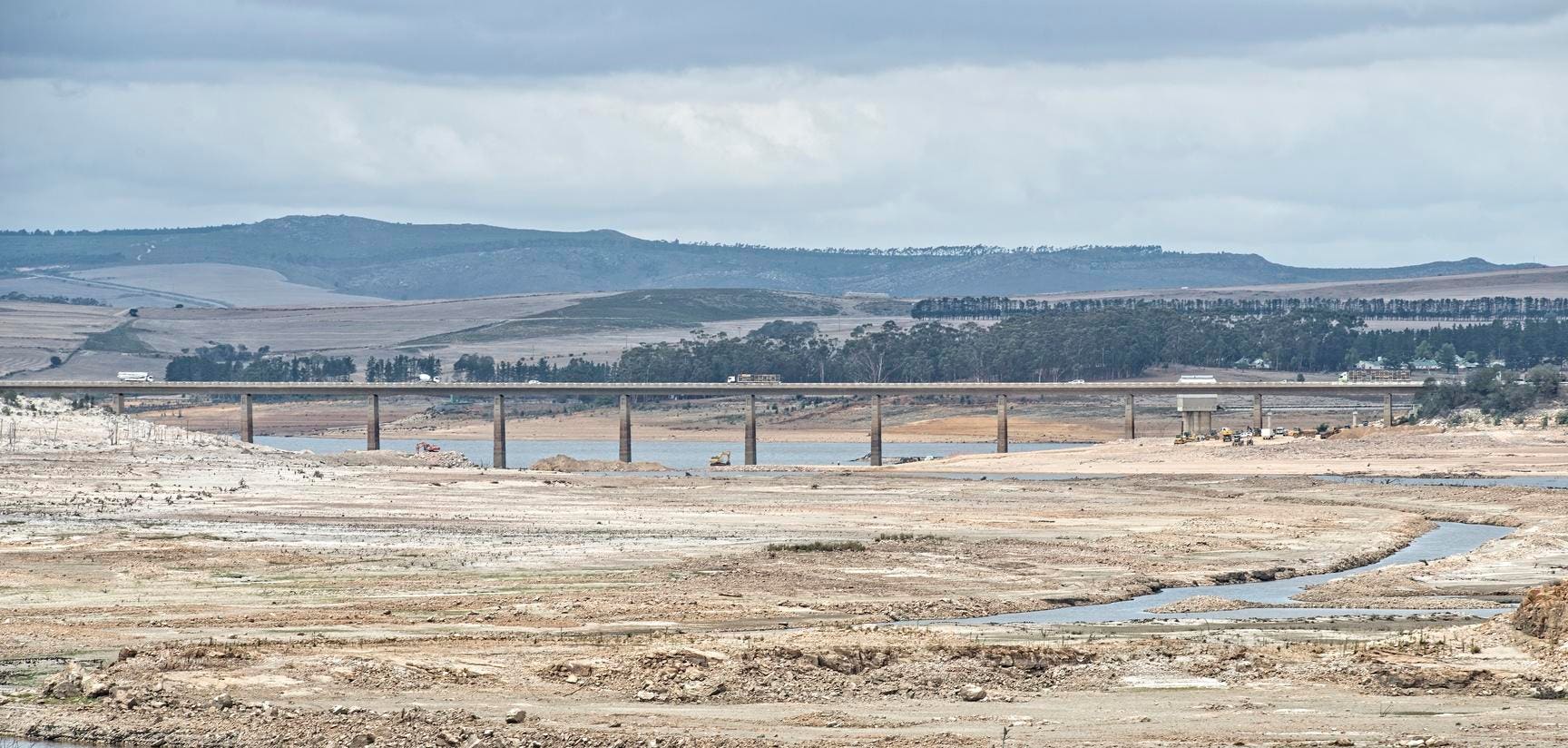
Cape Town's near disaster in 2018, when the city nearly ran out of water, underscored the urgent need to rethink water security. This crisis highlighted that nature should be regarded not just as an environmental asset but as essential infrastructure for water management. The recent introduction of innovative financing mechanisms, like the Cape Water Performance-Based Bond, reflects this paradigm shift.
The Crisis and Its Lessons
In 2018, Cape Town faced a severe water crisis exacerbated by a prolonged drought, population growth, and mounting demand. As reservoirs approached drastic lows, officials warned of "Day Zero"—a scenario where municipal water supplies would deplete, forcing residents to rely on limited daily rations. The city's response involved emergency measures, including water rationing and public campaigns urging dramatic reductions in water use.
However, these immediate solutions only momentarily averted disaster. The incident sparked a larger conversation about the intersection of water security with public health, food security, and climate resilience, emphasizing that the solution must address systemic flaws in water infrastructure and management.
Rethinking Water Infrastructure
Traditionally, infrastructure encompasses pipes, dams, and treatment plants. Yet, the landscapes that naturally capture and filter water are equally crucial. Cape Town's crisis revealed how invasive plant species drastically reduce water yield, making ecosystem restoration a nuanced necessity in water management.
This calls for investing in nature-based solutions (NbS), which have often been underfunded despite their potential for significant returns on investment in terms of ecosystem and public health improvements. Transforming these solutions into viable financial models is essential for tackling global conservation challenges.
Cape Water Performance-Based Bond: A New Financing Model
The Cape Water Performance-Based Bond seeks to innovate the way nature-related projects are financed. This five-year bond, valued at R2.5 billion (approximately USD $150 million), aims to mobilize capital by linking investor returns to verified ecological outcomes, illustrating that financial success can coexist with environmental responsibility.
Key Features of the Bond
This bond is structured to bring together a coalition of stakeholders, including financial institutions, philanthropic entities, and conservation organizations. The Nature Conservancy, a key player in this initiative, will receive R150 million (USD $8.8 million) directly allocated for implementing restoration projects.
Notably, the bond's linkage of investor returns to measurable outcomes—such as the restoration of critical water source areas by removing invasive species—represents a significant advancement in sustainable financing. This novel approach empowers investors, transforming them into active participants in ecological restoration.
Impact of Ecosystem Restoration
Efforts supported by the Cape Water bond focus on ambitious goals, such as removing invasive tree species that absorb excessive amounts of water—up to 150 million liters daily during the height of the crisis. By restoring native plant ecosystems, the project aims to recover roughly 55 billion liters of water yearly, which would account for one-third of Cape Town’s annual municipal water needs.
A Blueprint for Global Conservation Funding
Martin Potgieter from Rand Merchant Bank highlighted that this bond signals a shift where natural capital enters mainstream finance, intertwining finance with ecological sustainability. It fosters a blended finance model that combines commercial, philanthropic, and conservation funds to maximize impact.
Globally, the need for creative financing mechanisms that support nature-based solutions is becoming increasingly urgent as communities grapple with environmental challenges. The successes of the Cape Water bond could serve as a model for other regions facing similar conservation financing dilemmas, emphasizing that restoration and conservation can yield tangible benefits—both ecological and economic.
Conclusion: Nature's Financial Worth
The Cape Water Performance-Based Bond represents a significant evolution in how we perceive and finance water infrastructure. By treating nature itself as a vital element in water management, we can create a more sustainable and resilient approach to ensuring water security. As this initiative unfolds, it may set a new standard for combining environmental stewardship with effective financial strategies, thus ushering in a transformative era in conservation funding.
Popular news
Netanyahu dismisses West Bank violence as actions of 'juvenile delinquents' during a UN speech, focusing on Israel's military success against Hezbollah.





Subscribe to
our news
Get the most important updates and top stories in your inbox.
