





 Business27 Apr 2026
New AI Bill Targets Deepfake Abuse and Enhances Whistleblower Protections
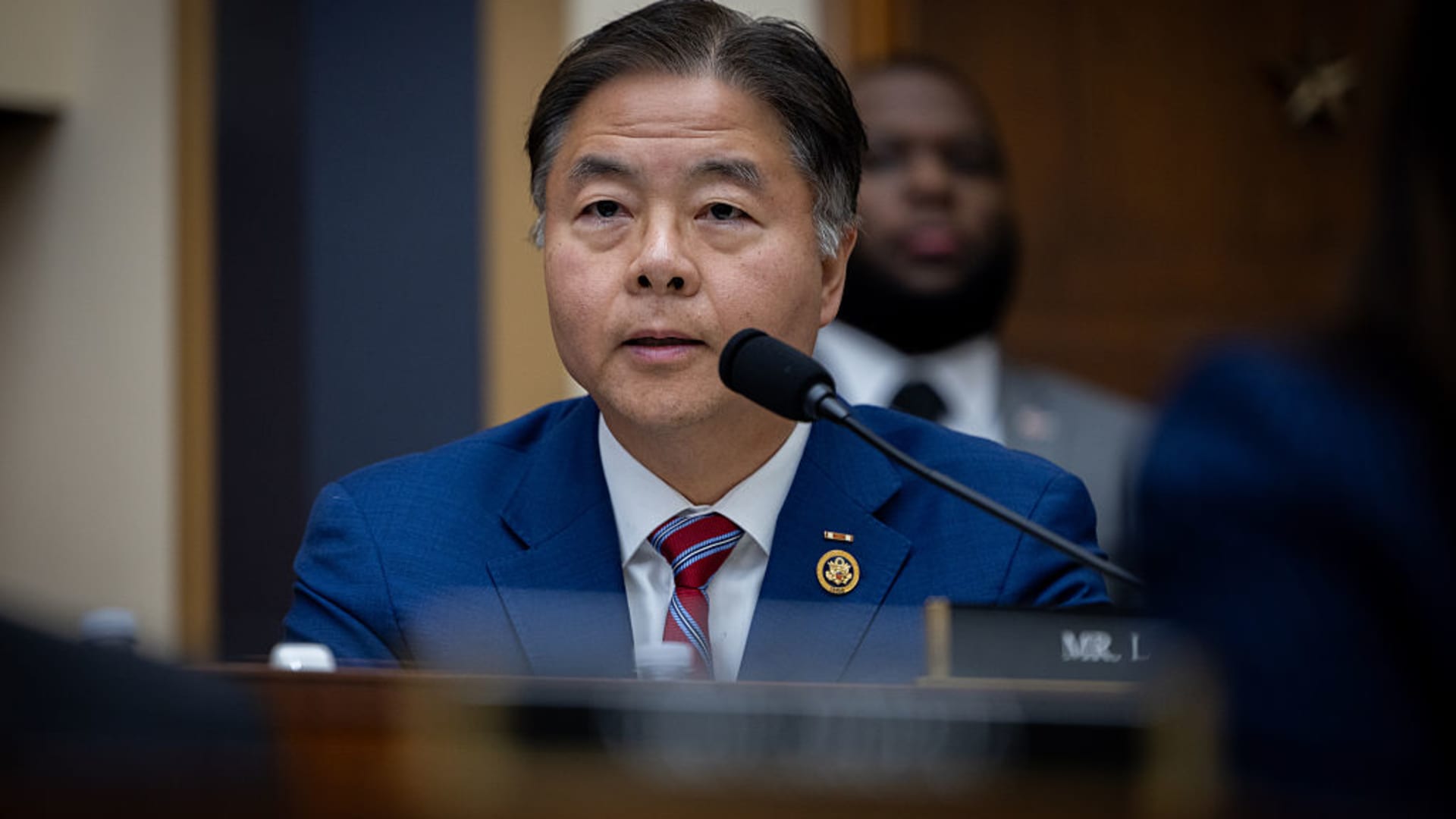
A bipartisan AI bill seeks to tackle deepfakes and bolster protections for whistleblowers, led by Rep. Ted Lieu and Rep. Jay Obernolte.
Overview of the AI Bill
A new artificial intelligence bill, spearheaded by Representative Ted Lieu of California, aims to address the growing concerns surrounding the distribution of deepfake technology and enhance protections for whistleblowers reporting related AI safety issues.
According to reporting by CNBC, this bipartisan legislation stems from the recommendations of the House AI Task Force, co-led by Lieu and fellow Californian Representative Jay Obernolte. Lieu emphasized the bill's cooperative nature, aiming to avoid controversial elements while taking significant steps towards ensuring safety and accountability in AI usage.
Key Provisions of the Bill
Focus on Deepfakes
The legislation is designed to crack down on the production and distribution of deepfakes, particularly non-consensual imagery, which has surged in popularity and poses a threat to individual privacy and safety.
Whistleblower Protections
One of the bill’s highlights is the protection it offers to whistleblowers. The bill intends to simplify the process for individuals to report safety violations within AI technologies, empowering those who raise concerns about AI risks.
International Participation and Competitions
Furthermore, Lieu's proposal mandates that the U.S. participates in global organizations that develop technical standards for AI, promoting international cooperation on AI safety. The bill also includes plans to establish a prize competition aimed at fostering innovative AI research and development within the United States.
Bipartisan Support and Future Directions
While Lieu’s bill has garnered support from Rep. Jay Obernolte, the latter is also working on his own comprehensive package to address AI regulation. Obernolte plans to unveil his version later in the year, which will similarly build upon the House AI Task Force's efforts and recommendations.
Avoiding Controversies
Notably, the new legislation intentionally steers clear of divisive issues, such as whether a federal standard for AI should override state laws, and whether systems in critical sectors like infrastructure and education should be subjected to mandated testing requirements.
A Step Forward
During a recent interview, Lieu described the bill as a significant move forward in the quest for responsible AI governance. He expressed optimism that its bipartisan foundation would help facilitate its passage in the current congressional term, paving the way for more comprehensive AI policies in the future.
Popular news
A small plane crash while touring the Nazca Lines in Peru has resulted in 13 fatalities, including tourists and crew.



Subscribe to
our news
Get the most important updates and top stories in your inbox.
