




 Technology13 May 2026
New Statistical Method Aims to Detect Alien Life Using Chemical Patterns
A new statistical approach to detect alien life focuses on chemical patterns in samples, streamlining the search for extraterrestrial existence.
Approach to Detect Alien Life
In a groundbreaking proposal, scientists have introduced a new statistical method for detecting alien life. Rather than concentrating solely on identifying specific molecules, this innovative approach emphasizes the analysis of chemical patterns within samples. This technique could greatly enhance our understanding of how life organizes chemical compounds compared to nonbiotic sources.
Key Findings
Differences in Chemical Organization
The research demonstrates that biological samples typically exhibit a more diverse and organized mix of compounds, while abiotic samples, formed without the influence of life, tend to be less varied. Researchers examined a range of samples including living organisms, fossils, ocean sediments, and meteorites, focusing particularly on amino acids and fatty acids which play vital roles in biological processes. Their findings revealed a clear statistical distinction between the chemical compositions of living and nonliving samples.
Implications for Space Missions
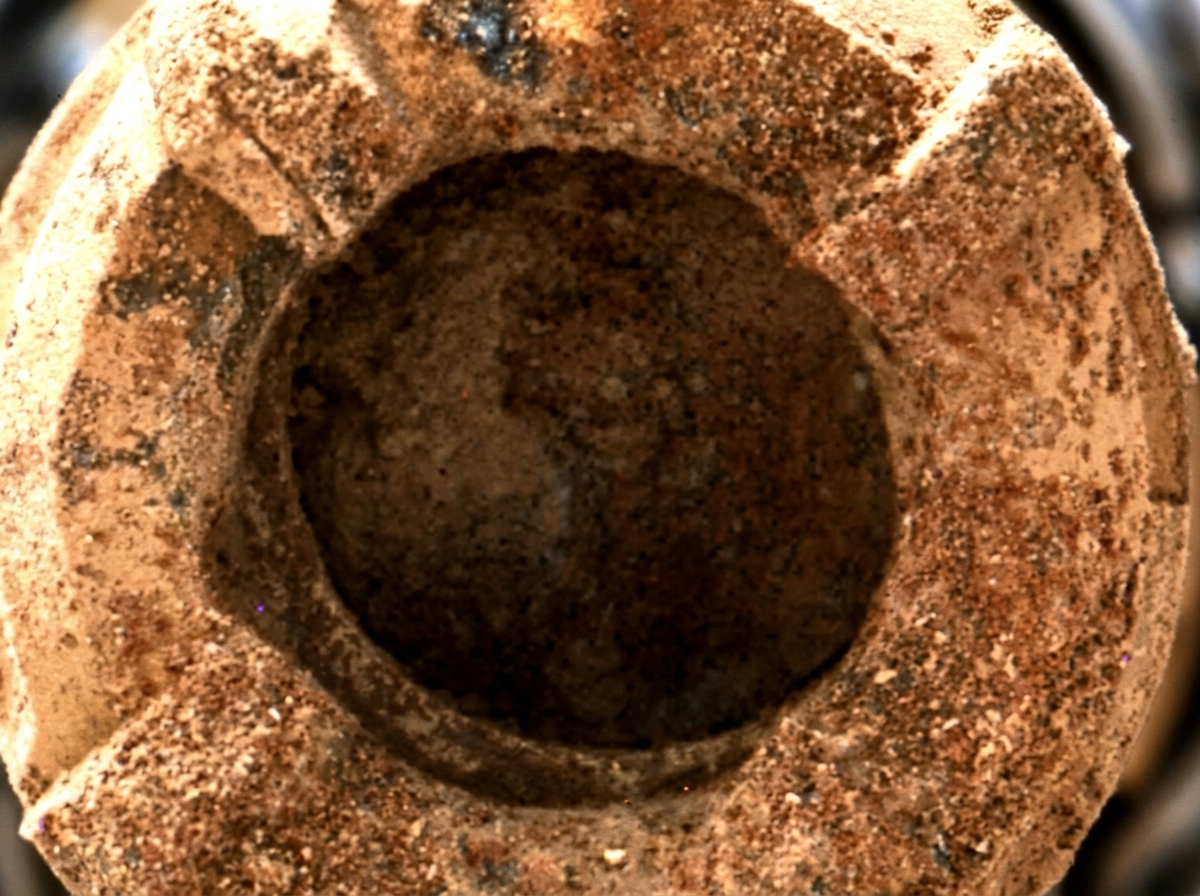
This new approach may significantly impact upcoming space missions, especially NASA's Dragonfly, which is set to explore Titan, Saturn's intriguing moon, in the mid-2030s. The Dragonfly mission will utilize a mass spectrometer to analyze organic molecules, making it an ideal candidate for applying this statistical method.
Technical Insights
Biological vs. Nonbiological Patterns
The study published in Nature Astronomy indicates that amino acids derived from biological origins feature a wider and more balanced array of compounds compared to their nonbiological counterparts, which often show a simpler composition. Interestingly, certain contaminated meteorites exhibited chemical patterns closer to those of biological samples, suggesting that biological processes can alter chemical signatures in detectable ways.
Conversely, biological samples exposed to severe environmental factors like heat or radiation tend to lose their unique chemical diversity over time, resembling nonliving chemistry as they degrade.
Statistical Techniques in Action
Gideon Yoffe, lead author of the study from the Weizmann Institute of Science, described the pivotal role of statistical analysis in astrobiology, stating, "Astrobiology is fundamentally a forensic science... We're trying to infer processes from incomplete clues." This underscores the importance of developing methods that can provide strong supporting evidence for the presence of extraterrestrial life.
Future Prospects
The new statistical methodology presents a promising opportunity for researchers conducting chemical analyses in space missions. As NASA's Curiosity and Perseverance rovers continue to explore Mars, they might also apply this approach should they discover a sufficiently diverse array of organic compounds in their samples. Fabian Klenner, a coauthor of the study and assistant professor at UC Riverside, expressed hope that rovers could implement this analytical technique if they encounter a rich collection of organic data.
Conclusion
As humanity pushes the boundaries of space exploration, the adoption of this novel statistical approach could offer a game-changing tool in the ongoing search for alien life. Scientists are eager to see how it will be utilized in future missions and the insights it may uncover about the universe and our place within it.
Popular news
Netanyahu dismisses West Bank violence as actions of 'juvenile delinquents' during a UN speech, focusing on Israel's military success against Hezbollah.




Subscribe to
our news
Get the most important updates and top stories in your inbox.