




 Business01 Jun 2026
Oil Prices Surge Amid Iran's Halt in U.S. Negotiations
Oil prices soared nearly 7% after Iran halted talks with the US, as bond yields increased and stock markets declined amid inflation worries.
Oil Prices and Economic Impact
Oil prices surged nearly 7% on Monday, following Iran's announcement that it has halted negotiations with the United States. The escalation in tensions comes in the wake of Israel's recent military strikes targeting Iranian-backed Hezbollah in Lebanon, prompting fears of further destabilization in the region. As a result, Brent crude oil reached approximately $97 per barrel, while West Texas Intermediate oil jumped to about $94 per barrel.
Market Reactions
The immediate market response was notable, with bond yields also climbing sharply. The 10-year U.S. Treasury yield rose to 4.5%, indicating investors are reconsidering inflationary pressures that could influence the Federal Reserve's policy decisions ahead of its upcoming meeting. Major stock indexes reflected a cautious mood, with the S&P 500 falling by 0.11% and the Dow Jones Industrial Average down by 0.43%.
Investor Sentiment
Investors appeared to redirect their attention to inflation fears that had previously been overshadowed by optimism surrounding a potential peace deal between the U.S. and Iran. This shift in focus comes after both sides engaged in a series of provocative exchanges, leading many to doubt the feasibility of a lasting ceasefire.
Key Developments
In recent military exchanges, the U.S. conducted airstrikes against Iranian radar and drone command sites after the downing of an American drone by Iranian forces. On the same day, Iran retaliated by launching ballistic missiles at U.S. positions in Kuwait, though air defense systems successfully intercepted them. Iranian Foreign Minister Seyed Abbas Araghchi condemned the actions of the U.S. and Israel, stating they bear responsibility for any breach of the fragile truce.
Ongoing Negotiations and Future Outlook
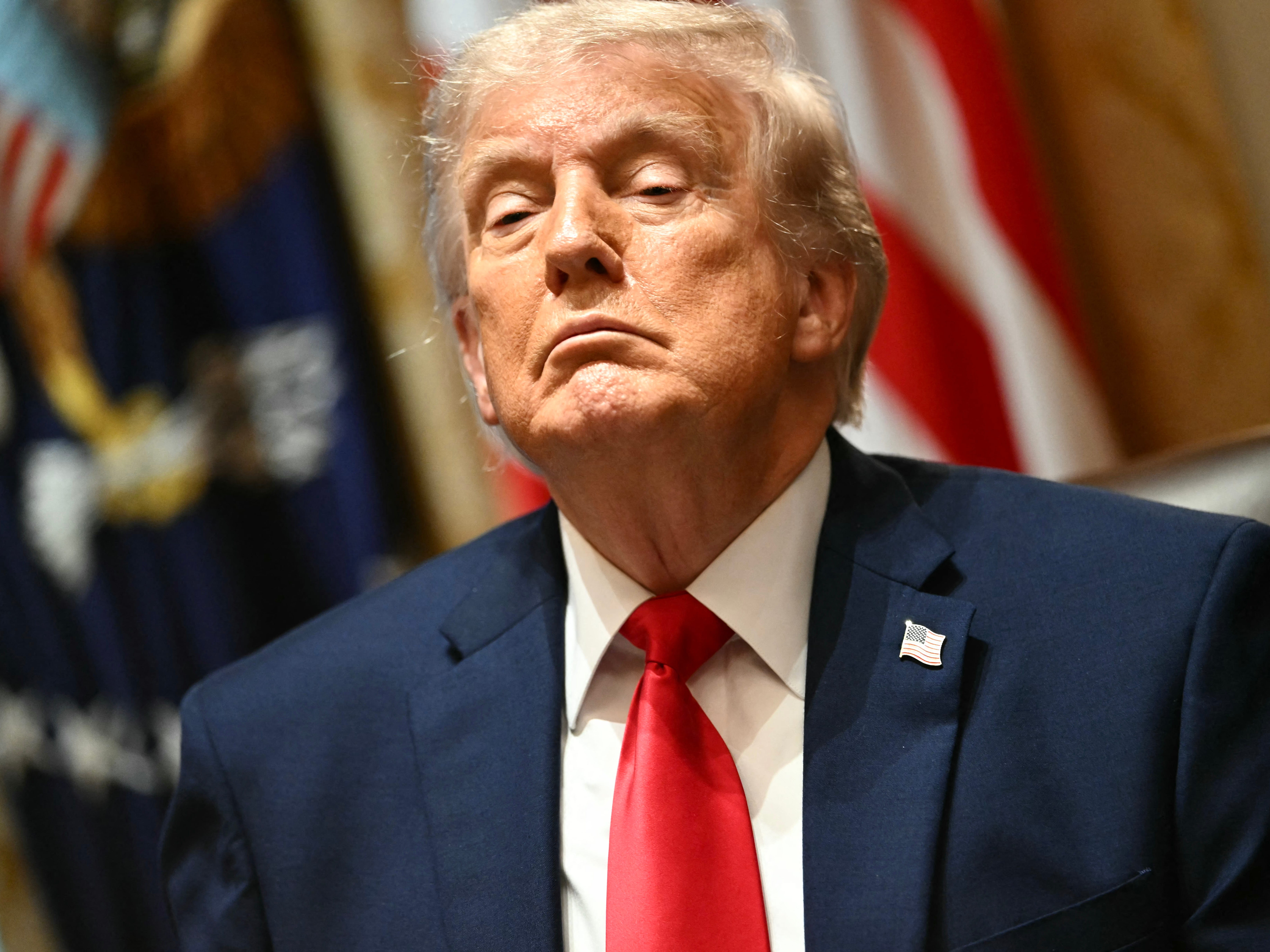
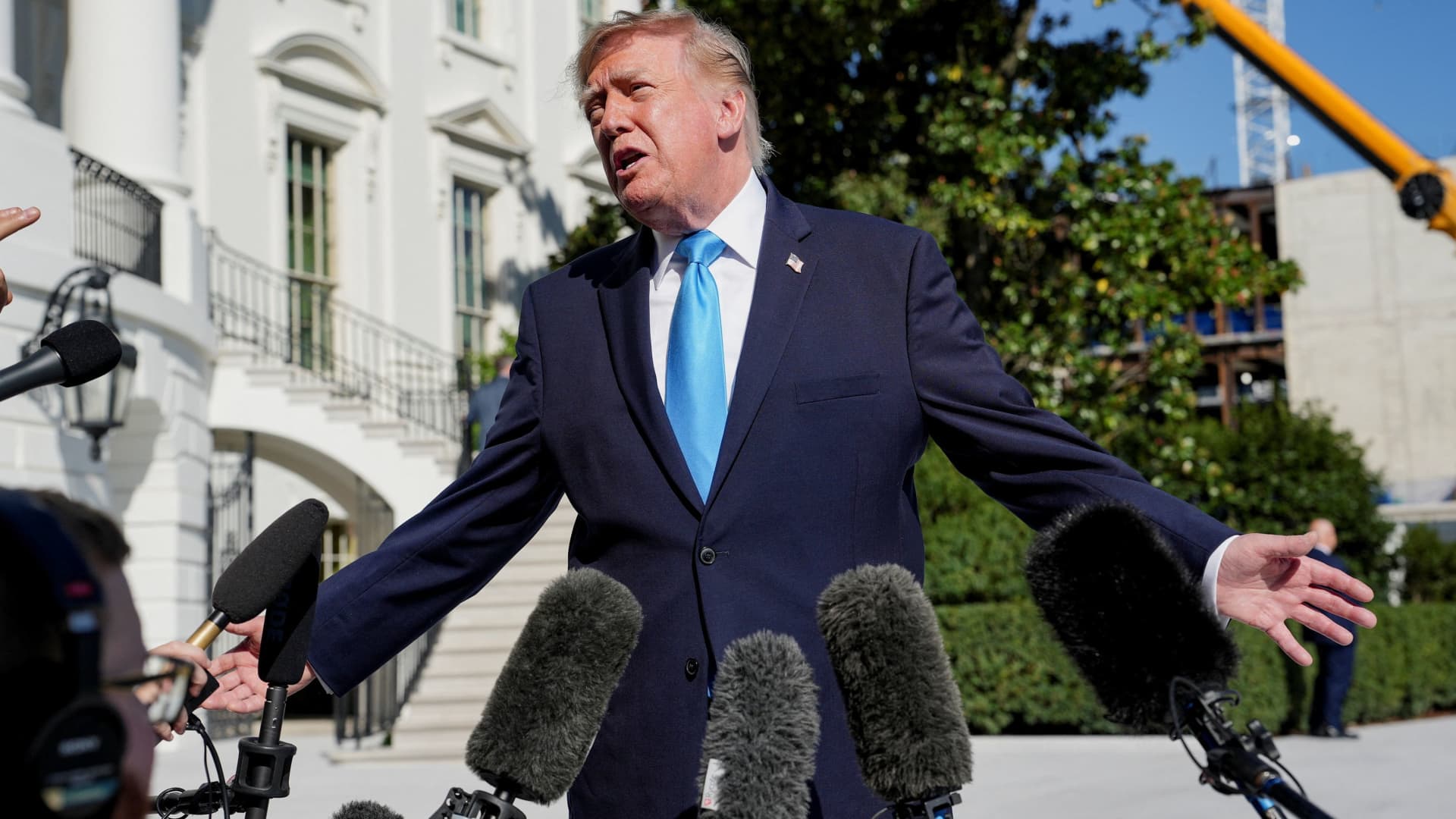
Prior to this spike, oil prices had diminished significantly, dropping about 20% from their peak due to speculation of an impending peace deal. U.S. President Donald Trump had teased negotiations on a ceasefire extension, but recent developments suggest that any hope for a resolution may have been dashed. In a public post, Trump hinted that a favorable outcome is still on the horizon, contrasting with the harsh realities unfolding on the ground.
Meanwhile, stock performance showed some resilience in tech sectors, particularly with shares of Nvidia rising by 4% due to its entry into the PC chip market, contrasting with declines in competitors like AMD and Intel. This development amid broader market volatility reflects ongoing divergences within sectors as investors navigate an uncertain economic landscape.
The recent spike in oil prices alongside rising bond yields showcases the interconnectedness of geopolitical tensions and market reactions. Investors will likely remain watchful as this situation evolves, with the ongoing Fed policy meeting paving the way for future economic forecasts.
Popular news
New York has declared a disaster emergency over rising measles cases, especially among under-immunized populations, with 108 confirmed cases.




Subscribe to
our news
Get the most important updates and top stories in your inbox.