




 World23 Jul 2026
Over 2,300 Israeli Settlers Storm Al-Aqsa Mosque During Tisha B'Av
Israeli settlers storm Al-Aqsa Mosque in a large incursion amid Tisha B'Av, raising tensions and prompting Palestinian warnings.
Major Incursion at Al-Aqsa Mosque
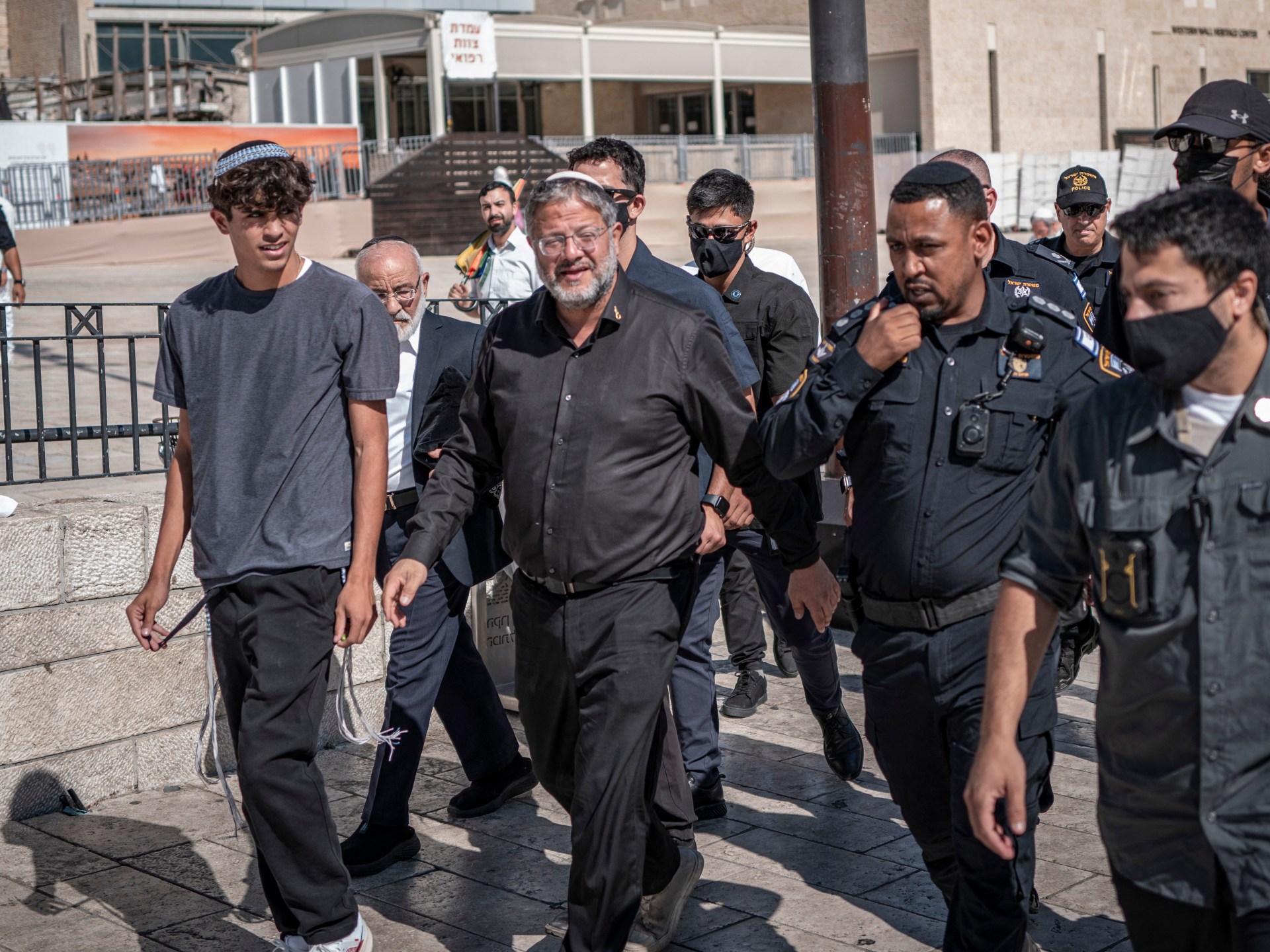
In a significant event that has raised alarms in the region, over 2,300 Israeli settlers and far-right groups entered the Al-Aqsa Mosque compound in East Jerusalem on Thursday, coinciding with the Jewish holiday of Tisha B’Av. The incursion, which is regarded as one of the largest of its kind this year, featured the participation of Israeli National Security Minister Itamar Ben-Gvir, who entered the compound under heavy police protection.
Context of Tisha B'Av
Tisha B’Av is a Jewish day of mourning that commemorates the destruction of the First and Second Temples, which are believed to have stood at the same site revered by Muslims as Al-Aqsa and by Jews as the Temple Mount. During this time, significant crowds of Israeli settlers have historically visited the site, often raising tensions with Palestinian worshippers who also regard the mosque as a sacred space.
Rising Numbers and Tensions
According to reports from Palestinian officials, the first figures indicating over 2,300 entrants were expected to increase until sundown, possibly reaching 5,000. This marks a substantial rise compared to previous years' observances of Tisha B’Av. Palestinian authorities noted that Israeli security forces imposed stringent restrictions at the mosque's entrances, preventing large numbers of Palestinian worshippers and students from accessing the site. Reports of altercations between Israeli forces and Palestinian worshippers emerged, adding to the already tense atmosphere.
Nour Odeh, a correspondent for Al Jazeera, emphasized that Israeli authorities had intensified measures within the Old City, effectively barring most Palestinians from entering the Al-Aqsa compound except for the elderly, and tightening checkpoints across East Jerusalem including crucial areas like Qalandiya.
Government Endorsement and International Concerns
Reports indicate that during the incursion, Israeli settlers engaged in Talmudic rituals, which included praying and singing within the compound. This drew the ire of Palestinian officials who condemned the activities, warning of a dangerous escalation of the status quo around the meticulously contested holy site.
Minister Ben-Gvir’s comments during the event suggested a growing sentiment among Israeli officials regarding the site. He stated that Jewish visitors felt ownership of the site, praising the actions taken as “tremendous progress,” as reported by local media. Critics from the Palestinian administration have interpreted Ben-Gvir’s involvement as backing for extremist views advocating for the reconstruction of a Jewish Temple at the location.
The Jerusalem governorate described the minister's visit as a dangerous escalation, raising fears of further unrest. The Palestinian Ministry of Endowments and Religious Affairs has also called for intervention from the international community to mitigate tensions and prevent any alterations to the historical and legal status of the site.
Conclusion
With concerns of continued incursions during Friday prayers—which typically see thousands of worshippers attending—the situation remains precarious. Palestinian officials have warned that if such high-profile public support for Israeli incursions persists, it may lead to larger conflicts, deepening the already complex divide between the two communities in Jerusalem.
Popular news
Nuveen acquires Schroders, creating a $2.6 trillion asset management powerhouse.


Subscribe to
our news
Get the most important updates and top stories in your inbox.