




 Technology23 Apr 2026
Paterna Biosciences Claims Breakthrough in Lab-Grown Sperm and Embryos
A Utah startup claims to have grown human sperm in a lab, potentially aiding male infertility. What are the implications for treatment?
Paterna Biosciences' Revolutionary Breakthrough
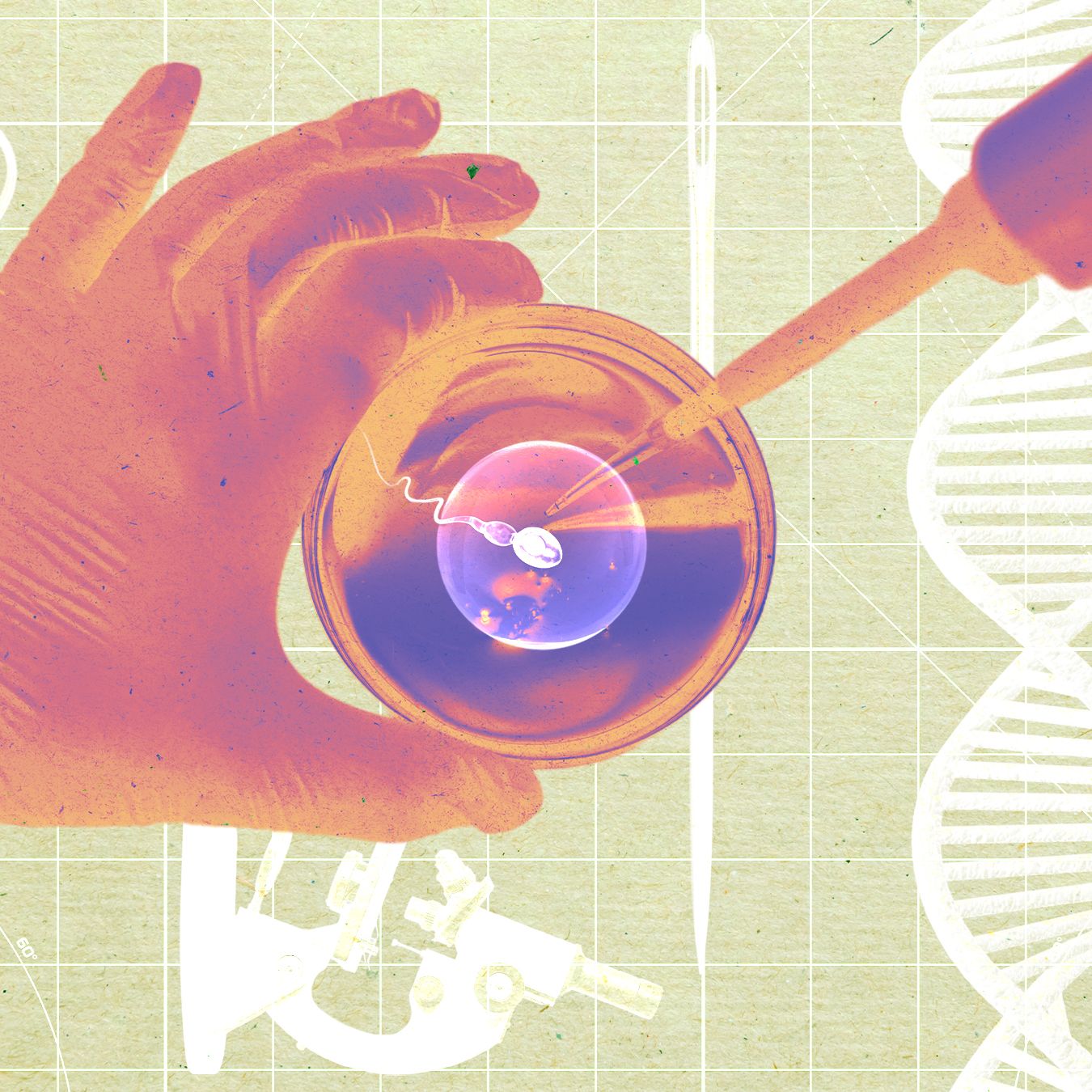
In a groundbreaking advancement, Utah-based startup Paterna Biosciences has claimed to successfully develop functional human sperm in a laboratory environment, which has been used to create healthy-looking embryos. This pioneering technique aims to assist men struggling with infertility, particularly those with no sperm in their ejaculate due to various medical conditions.
The Process Behind Laboratory Sperm Creation
According to reports, the process involves extracting sperm-forming stem cells from testicular tissue and nurturing them in vitro to produce mature sperm. Using computational biology, the company was able to identify and apply the specific growth factors necessary to stimulate sperm cell development. Alexander Pastuszak, CEO and cofounder of Paterna, emphasized that this achievement—deciphering the steps that guide stem cells to transform into mature sperm—is a significant milestone in reproductive medicine.
Testing Results and Future Plans
Despite the promising results, Paterna's findings have not undergone peer review and await further validation. The company plans extensive studies to assess the efficacy and safety of its methods. Pastuszak mentioned that early tests revealed that the lab-grown sperm appeared to be “effectively identical” to naturally-produced sperm. Paterna aims to conduct a comprehensive study involving men with infertility, comparing the fertilization rates of lab-made versus extracted sperm.
Addressing Male Infertility Challenges
Approximately half of all infertility issues stem from male factors, which include low sperm count or complete absence of sperm. For the latter group, options have traditionally included invasive procedures to find sperm in testicular tissue, which can sometimes yield disappointing results. Paterna’s innovative technology proposes an alternative: extracting a small tissue biopsy to generate sperm in a lab, significantly reducing the physical and emotional toll often experienced by couples during treatment.
Broader Implications and Future Directions
The implications of Paterna's work extend beyond just adult males. The technology could provide options for boys undergoing chemotherapy, as it could preserve their sperm-forming stem cells before treatment.
However, while the advance is exciting, some experts, including Justin Dubin from Baptist Health Miami Cancer Institute, caution that the associated costs of these procedures could limit accessibility for many patients. Existing fertility treatments are already a financial burden, and without insurance coverage, this method might be out of reach for numerous families.
Conclusion
As Paterna moves forward with its studies, the focus will be on ensuring the created embryos not only develop successfully but also do so without mutations or genetic abnormalities. The company's innovative approach has the potential to reshape treatment for male infertility, providing hope to those wishing to become biological parents.
With further validation and potential procedural options emerging, the future of fertility treatments could become much brighter for men facing challenges with sperm production.
Popular news
A small plane crash while touring the Nazca Lines in Peru has resulted in 13 fatalities, including tourists and crew.





Subscribe to
our news
Get the most important updates and top stories in your inbox.