




 Health12 May 2026
Peloton IQ: A Review of the AI-Enhanced Workout Experience
I've tested Peloton's new AI, Peloton IQ, on the Bike+. Here's what I found in terms of workout guidance and effectiveness.
Introduction to Peloton IQ
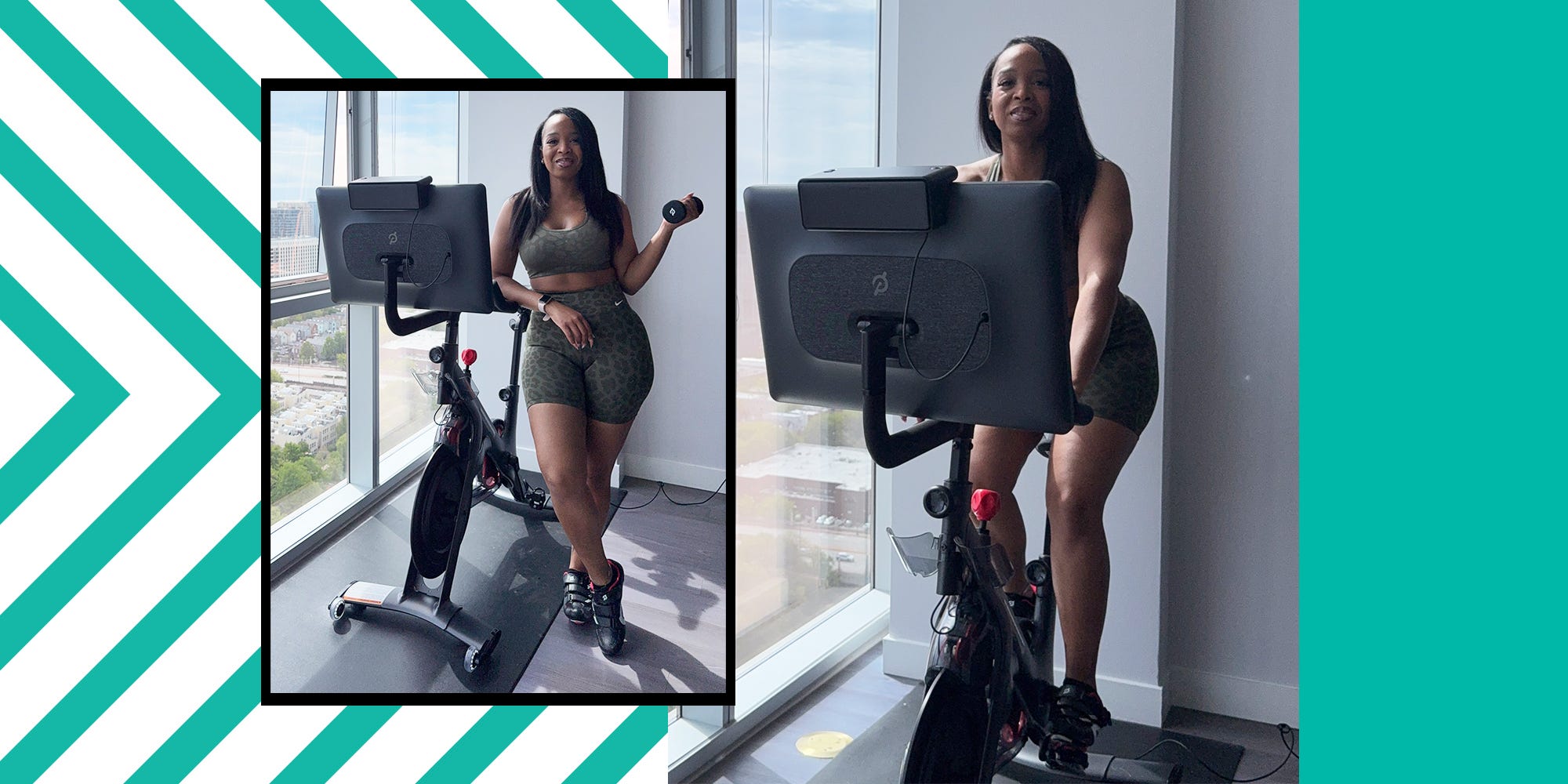
Fitness, as I understand it, extends beyond mere physical conditioning; it encompasses how we feel both mentally and emotionally. Particularly during challenging days, a workout can empower us, driving strength and clarity. Being a certified personal trainer and coach, I continuously explore diverse forms of movement, whether it's lifting, Pilates, running, or cycling on my Peloton. Throughout my fitness journey, I've learned the importance of feedback on form, pacing, and effort—a role traditionally filled by human coaches. Therefore, the introduction of Peloton’s new AI system, Peloton IQ, sparked my curiosity. This technology promises a coaching-like experience during workouts by utilizing real-time guidance through a camera to monitor performance.
Testing the Peloton IQ System
I was eager to get hands-on with the Peloton Bike+, enhanced by the Peloton IQ feature. However, I approached this test with a clear expectation: no machine can replace the human touch of personalized coaching. My goal was to evaluate how effectively Peloton IQ could enhance my workouts and provide feedback
Initial Setup Experience
Setting up the Bike+ with Peloton IQ was a breeze. Upon startup, I was greeted with numerous classes tailored to various fitness levels—ranging from low-impact rides to high-intensity interval training (HIIT) sessions. Each class varied in duration, allowing for flexible workouts. However, it’s essential to note that Peloton IQ is compatible only with select classes designed for real-time tracking. While I could utilize the camera for strength and Pilates workouts, the cycling classes still relied on performance metrics like cadence and resistance.
Workout Features
During my week of testing, I engaged in a range of classes, witnessing how Peloton IQ supported my workout sessions.
Form Feedback
As a trainer well-aware of proper form, I was keen to assess the effectiveness of the form corrections provided by AI. During lower-body exercises, I deliberately altered my posture to see if Peloton IQ would detect the changes. It managed to identify some pacing issues, advising me to moderate my speed, thus promoting better control. However, it occasionally failed to register subtle adjustments in my positioning, highlighting its limitations.
Visual Guidance
An unexpected benefit of Peloton IQ was the inclusion of demo-style visuals during workouts. These additional visual cues, alongside the instructor, were beneficial as they allowed for immediate comparisons of my form. Particularly during Pilates and strength sessions, viewing my positioning next to the instructor’s allowed for real-time adjustments, creating an almost mirror-like experience that boosted my confidence in executing exercises correctly.
Performance Tracking
The feature that stood out was the performance tracking, which monitored my progress and suggested when to elevate my effort or resistance. Tracking metrics such as pace and effort, Peloton IQ provided prompts to enhance my workout intensity appropriately. However, I continued to trust my own understanding of my body, often resisting AI suggestions when I sensed fatigue setting in.
Key Advantages of Peloton IQ
Overall, the technology offered an additional layer of support, making my workouts more structured and focused. It excelled in providing guidance particularly during sessions where I could benefit from precise feedback and intentional movement. Given its intuitive dashboard and features, I found Peloton IQ rendered my solo workouts significantly more manageable and goal-oriented.
Limitations and Areas for Improvement
Despite its benefits, Peloton IQ fell short of offering the individualized support of a human coach. Its guidance felt more general than tailored, with performance-driven feedback that didn’t account for personal feelings and energy levels. Instances during strength workouts showcased this gap; the system encouraged me to increase resistance even as fatigue affected my performance.
Moreover, the rep counting feature wasn’t perfectly accurate. Often, it miscounted even with clear visibility, which can be frustrating when tracking progress based on the AI’s feedback.
Conclusion
In summary, while Peloton IQ introduces a sophisticated layer of guidance to fitness routines, it doesn’t fully replace the benefits of individualized coaching and personal touch. It can be incredibly helpful for those who need structure to their workouts but should complement, rather than supplant, human guidance. My recommendation for users interested in this feature is to engage with the technology while maintaining an awareness of their body's signals, ensuring that their workout remains aligned with their personal goals and capabilities. For those new to fitness or managing injuries, collaborating with a real-life coach alongside leveraging Peloton IQ could amplify results and enhance the overall experience.
Through its advancements, Peloton IQ proves itself a worthwhile companion in the pursuit of fitness, yet real progress requires intention and a connection with one’s own body.
Popular news
A small plane crash while touring the Nazca Lines in Peru has resulted in 13 fatalities, including tourists and crew.





Subscribe to
our news
Get the most important updates and top stories in your inbox.