




 World07 Jun 2026
Pentagon Elevates Israeli Espionage Threat Amid Heightened Tensions
The Pentagon has raised the threat level of Israeli espionage to "critical," indicating heightened concerns over intelligence operations affecting U.S.-Ira
Pentagon's New Assessment of Israeli Espionage
In a significant shift, the Pentagon has escalated its assessment of the espionage threat posed by Israel, categorizing it as "critical". This decision underscores increasing worries regarding Israeli intelligence activities aimed at gathering sensitive information on U.S. military positions and diplomatic negotiations, specifically in relation to ongoing discussions with Iran. According to multiple reports, including those from NBC News and The New York Times, U.S. officials have pointed to a marked increase in Israeli surveillance efforts targeting high-ranking American officials, particularly in the context of efforts to resolve the protracted conflict with Iran, which recently marked its 100th day.
Diverging Strategies: U.S. and Israel
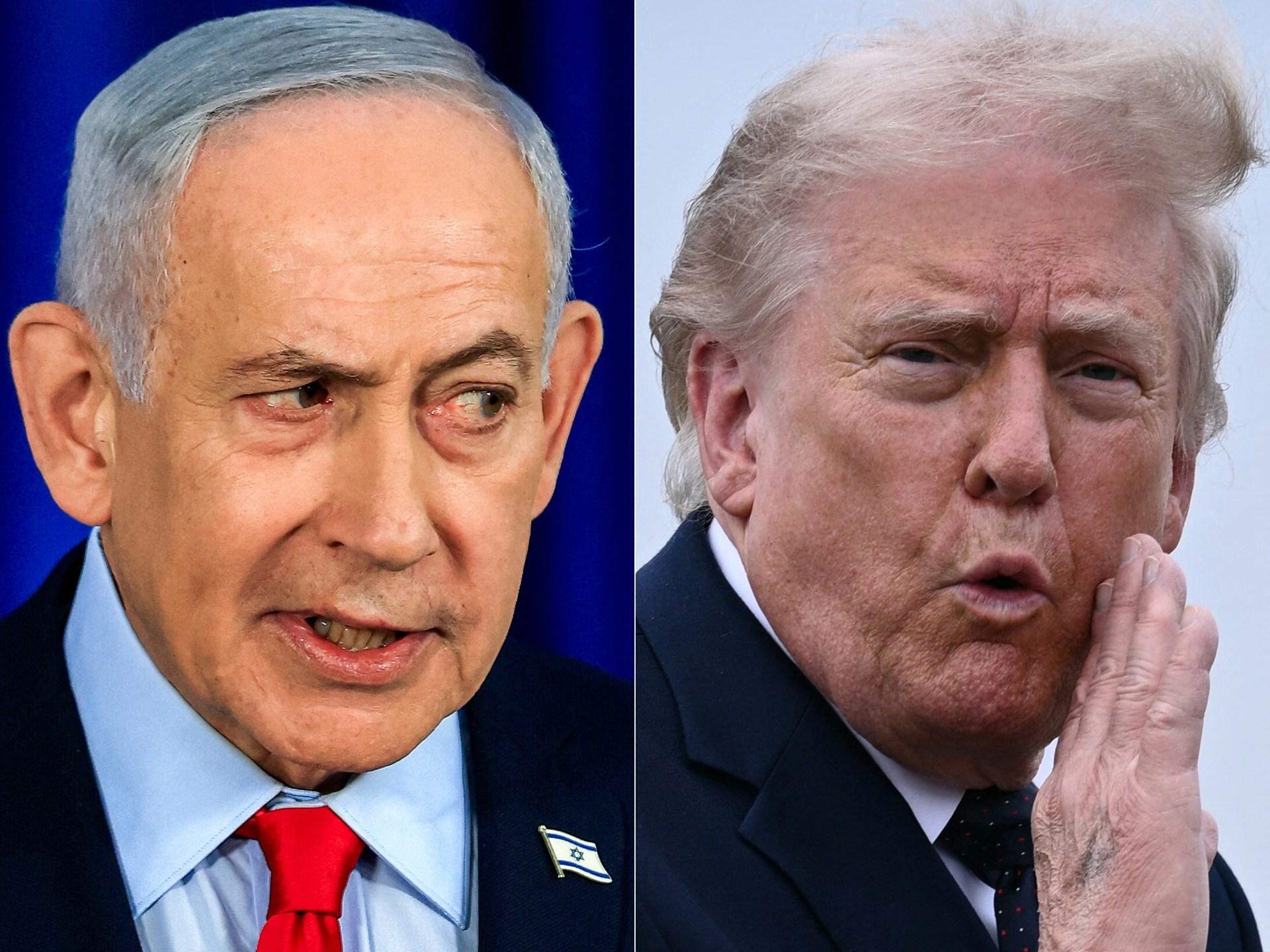
The current tensions between the U.S. and Israel have become more pronounced as both nations find themselves at odds concerning strategies toward Iran. U.S. officials are pursuing diplomatic avenues to curtail hostilities, while Israeli leaders continue to advocate for aggressive military action to undermine the Iranian government. The escalating allegations of Israeli espionage emerge against this backdrop of increased rifts, where U.S. President Trump and Israeli Prime Minister Netanyahu have publicly expressed differing views on the handling of the situation in the region.
As noted in reports, the heightened threat status was prompted by Israel's intensified efforts to infiltrate discussions that could shape U.S. policy towards Iran. American intelligence has grown increasingly concerned about Israel allegedly crossing lines that are typically respected among allies.
Nature of the Allegations
Multiple sources have indicated that Israeli intelligence operations have targeted key U.S. officials, including those involved in formulating the nation’s negotiations with Iran. Notable figures include Steve Witkoff, the chief U.S. negotiator in nuclear discussions prior to military actions against Iran, and other Pentagon officials involved in policymaking. Reports suggest that U.S. defense personnel assigned to Israel have encountered unauthorized surveillance tools on their devices, intensifying concerns over Israeli infiltration and surveillance activities.
While espionage among allied nations is not unprecedented, the current reports have raised alarm bells within the U.S. intelligence community. Analysts have pointed out that Israel's recent activities appear to have surpassed conventional boundaries of acceptable intelligence gathering among allied nations.
Reactions from Israel and the U.S.
In response to these allegations, Israeli officials have vigorously refuted the accusations. The Israeli embassy in Washington described claims of spying on U.S. officials as "completely false." A White House official echoed this sentiment, discrediting the reports as baseless. Furthermore, historical perspectives reveal that while Israel has engaged in espionage against the U.S. in the past, as seen in incidents like the Jonathan Pollard case, the close ties between the two nations have often masked these activities.
The Broader Context of U.S.-Israeli Relations
The escalation of tensions surrounding espionage concerns stems from Israel’s apprehensions regarding U.S. diplomatic moves. Experts illustrate that the crux of the issue is Israel's desire to closely monitor American negotiations with Iran, as a favorable U.S.-Iran agreement might constrain Israel's military capabilities in the region. Netanyahu's administration has consistently reserved the right to oppose any agreements perceived to threaten Israeli security, acknowledging the tension that arises even with long-standing allies like the U.S.
Many analysts, including those familiar with the historical context of U.S.-Israeli relations, believe that the current situation reflects a significant divergence in interests. As U.S. priorities shift towards diplomacy, the divide highlights the complexities of managing an alliance fraught with competing national security concerns.
As the situation evolves, the implications of these espionage allegations could affect not only U.S.-Israeli relations but also future negotiations with Iran, and regional stability overall.
Popular news
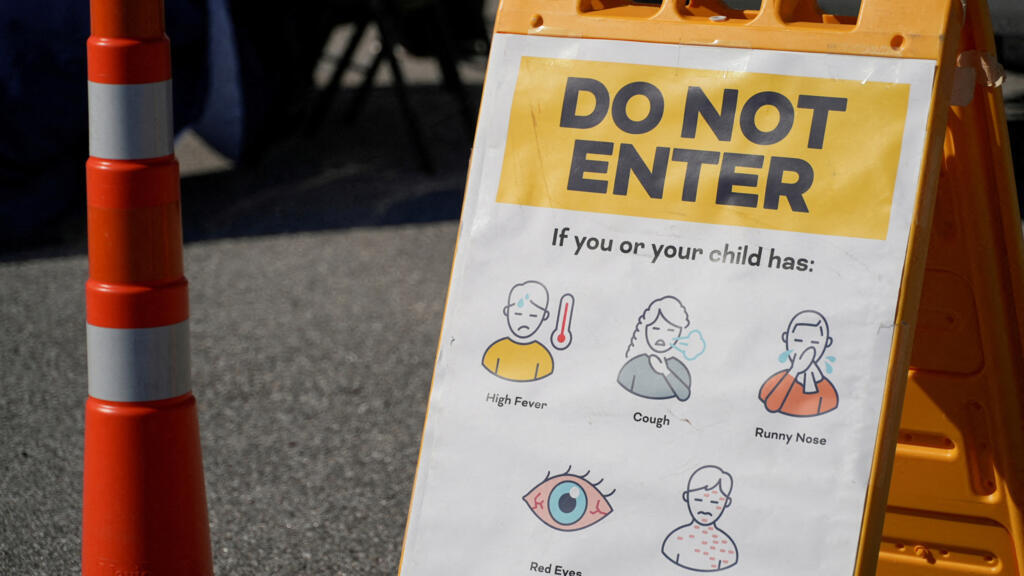
New York has declared a disaster emergency over rising measles cases, especially among under-immunized populations, with 108 confirmed cases.



Subscribe to
our news
Get the most important updates and top stories in your inbox.