




 Business31 Jul 2026
Pentagon Unveils Production Agreements with L3Harris and Lockheed Martin Amid Congressional Hurdles
The Pentagon's new production promises for missile interceptors hinge on Congress for funding, amidst rising public opposition to military spending.
Pentagon's Strategic Production Agreements
In a significant push to bolster its defenses amid ongoing military engagements, the Pentagon has reached agreements with L3Harris Technologies and Lockheed Martin aimed at enhancing the production of missile interceptors over the next seven years. This decision underscores the urgent need to replenish the stockpiles depleted during the conflict related to the Iran War, as underscored by Michael Duffey, Under Secretary of War for Acquisition and Sustainment, who emphasized the agreements' potential benefits for military operations.
The Nature of Agreements
While the Pentagon has made substantial commitments, these agreements are legally non-binding and hinge on Congress's approval for funding. Lawmakers have the ultimate say in financing such endeavors, particularly as the Department of Defense continues to advocate for increased military spending in the face of dwindling resources. Recent polling indicates that a significant portion of Americans oppose the current administration’s military budget, reflecting broader discontent with ongoing military interventions.
Congressional Influence on Defense Spending
A recent resolution from the House of Representatives, introduced by Rep. Pramila Jayapal (D-Wash.), calls for an end to military operations in Iran. This sentiment highlights the growing divide between the administration’s military spending priorities and public opinion. Despite this backlash, the Biden administration is pressing for funding to replenish weapon stockpiles lost during the conflict.
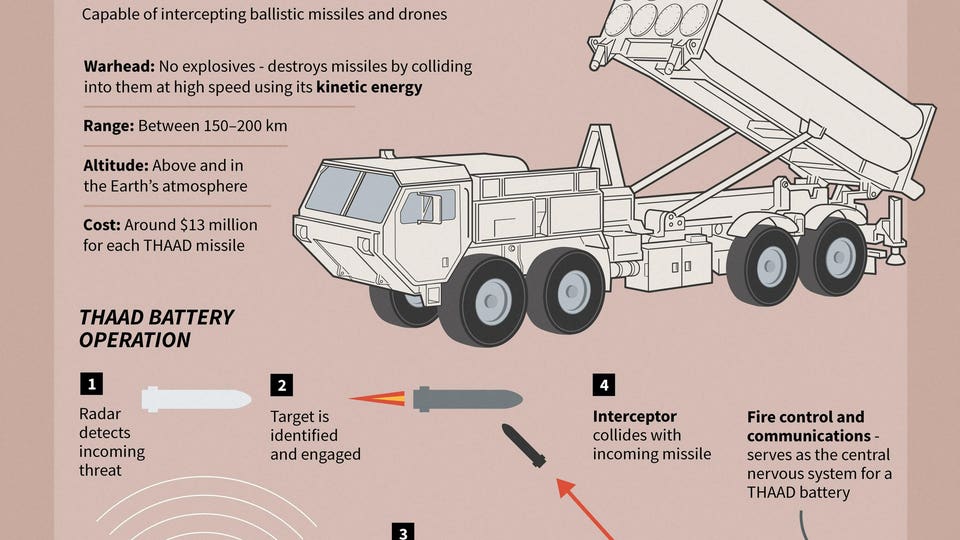
The Pentagon's contracts with L3Harris and Lockheed Martin, while announced with optimism, require Congressional action to meet procurement budgets connected to specific missile systems such as the Patriot Advanced Capability-3 Missile Segment Enhancement (PAC-3 MSE) and the Terminal High Altitude Area Defense (THAAD).
Key Funding Requests and Assembly Line Production
The House Appropriations Committee has already prepared a version of the defense spending bill that includes critical provisions allowing for long-term procurement contracts for these weapon systems. Nonetheless, further negotiations in Congress will determine if additional funding mechanisms, outside of standard appropriations, will be required to sustain increased production efforts.
As noted by industry firms, the agreements are expected to facilitate a notable expansion in production capacity—almost tripling the output for the PAC-3 MSE systems and quadrupling it for the THAAD systems. However, these ambitious plans rely heavily on taxpayer funding, which remains uncertain in the current political climate.
Current Contracts and Future Outlook
The Pentagon has already begun allocating fiscal resources, awarding more than $35 billion to Lockheed Martin for THAAD interceptor production and an additional $54 billion for PAC-3 MSE interceptors. Even with these incentives and contracts in place, the realization of expanded production faces significant hurdles as Congressional scrutiny intensifies.
Moving forward, both L3Harris and Lockheed Martin acknowledge that the viability of their production goals is intimately tied to legislative decisions. As public sentiment against military spending continues to grow, the coming months will be critical for determining the future of missile procurement and U.S. defense strategy dealing with its existing commitments in the region.
Popular news
A small plane crash while touring the Nazca Lines in Peru has resulted in 13 fatalities, including tourists and crew.





Subscribe to
our news
Get the most important updates and top stories in your inbox.