




 Health02 Oct 2026
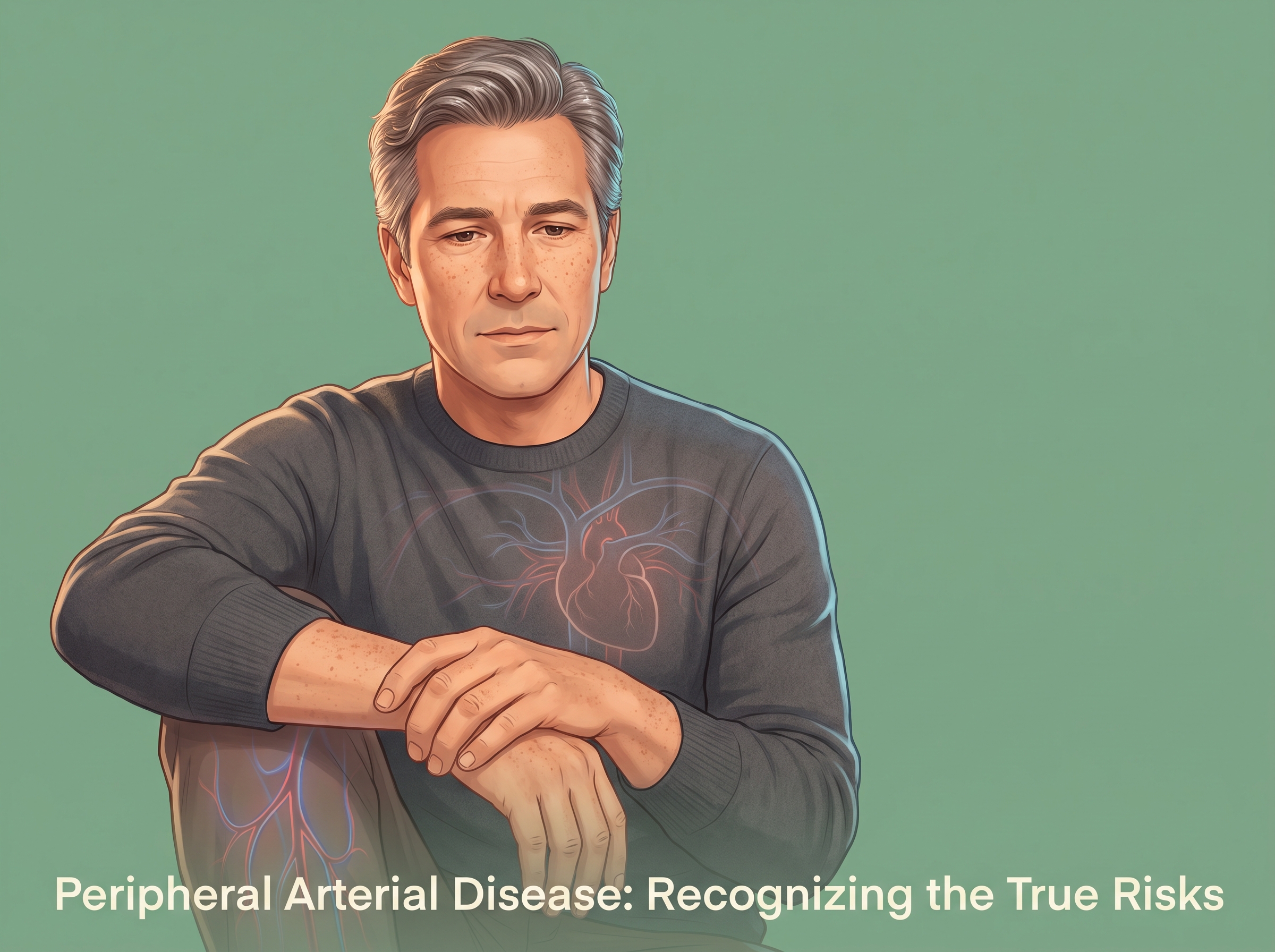
Peripheral Arterial Disease: Recognizing the True Risks
Peripheral arterial disease (PAD) is often overlooked, yet it signals broader systemic health dangers. Understanding its implications is crucial.
Understanding Peripheral Arterial Disease (PAD)
Peripheral arterial disease (PAD) is frequently misunderstood and misdiagnosed. Many view it simply as a localized disorder affecting the legs, particularly in older adults, leading to the false impression that it is benign, especially when patients do not display the classic symptoms. However, recent discussions in medical literature, including an editorial in The Lancet, underscore that PAD is not merely a leg problem but rather a significant marker of systemic atherosclerosis, warranting heightened awareness and improved recognition.
The Misconceptions Surrounding PAD
Despite its prevalent association with leg pain, only a minority of patients experience the classic symptom of intermittent claudication, which is defined by exertional pain in the legs that subsides with rest. For many, the symptoms may be subtle or entirely absent, leading to a severe underdiagnosis of this condition. As a result, PAD may be inaccurately perceived as a benign ailment, when in fact, it reflects an underlying issue related to cardiovascular health.
The Clinical Implications of PAD
When PAD is present, it often indicates widespread atherosclerosis, a condition where arteries become narrowed and hardened due to plaque buildup. This can lead to significant complications, including acute limb ischemia, heart attacks, and strokes. The editorial emphasizes that clinicians need to think beyond local manifestations and consider the broader implications of a diagnosis of PAD.
Identifying and Addressing PAD
Physicians should be trained to recognize the varied presentations of PAD and to manage patients accordingly. Those who may go undiagnosed due to atypical presentations could face severe health risks. Advances in diagnostic techniques and a greater understanding among healthcare providers are crucial for improving outcomes.
Moreover, awareness campaigns aimed at the general public are essential to enhance recognition of PAD and encourage individuals to seek medical advice if they suspect vascular issues, even if they do not exhibit the classic symptoms. By fostering a better understanding of PAD, we can prioritize proactive health measures and improve overall health outcomes for individuals at risk.
Conclusion
The call to action is clear: healthcare professionals, patients, and the wider community must elevate their understanding of PAD from being viewed as an isolated leg condition to recognizing it as an indicator of systemic health risks. Only through increased awareness and education can we mitigate the dangers associated with this often-misunderstood disease.
Popular news
Nuveen acquires Schroders, creating a $2.6 trillion asset management powerhouse.





Subscribe to
our news
Get the most important updates and top stories in your inbox.