




 Technology29 Sept 2026
Plastic Is Melting Onto Corals in Japan's Ryukyu Islands
A shocking study reveals that plastic is melting into corals, potentially threatening marine ecosystems in Japan's Ryukyu Islands.
New Discovery of 'Plasticoral'
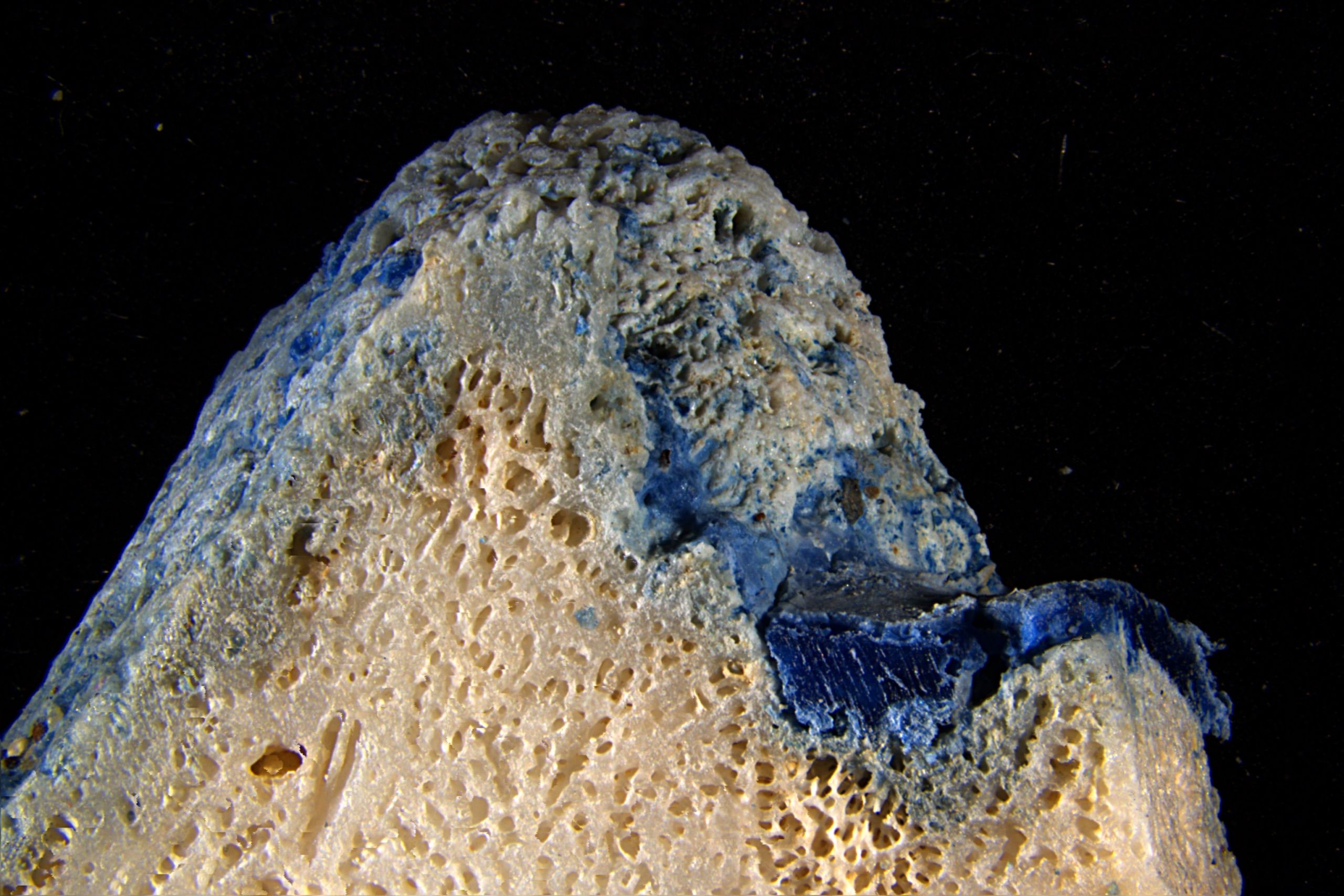
Research conducted in the Ryukyu Islands of Japan has unveiled a startling phenomenon where plastic waste is not just polluting coral reefs but actually fusing with them. This newly identified occurrence, termed "plasticoral," represents a significant development in our understanding of marine pollution and its impacts on coral ecosystems.
Observations by Scientists
During a survey of the southern Japanese islands, researchers discovered small, vividly colored plastic spots embedded within coral gravel. These samples were collected from three beaches on Okinawa island, leading to laboratory analyses that confirmed the presence of melted polymers derived from common household plastics. Using advanced micro-CT scans, the team revealed that these plastics had melted into the tiny pores of coral skeletons, effectively merging the two substances in a way that they could no longer be differentiated.
Implications of Plastic Integration
While past observations have noted plastic entanglements with nonliving marine entities, this study signifies the first instance of plastic merging with live coral structures. Although the coral rubble collected is technically no longer alive, it is crucial for the coral reef ecosystem as it provides a foundation for new corals and a protective habitat for small marine creatures.
The public health impacts of such integration are yet to be fully understood. Previous studies indicate that chemicals from plastics can leach into the water and inhibit coral reproduction. Furthermore, fragments of plastic can act as carriers for pathogens, potentially jeopardizing coral health.
Causes Behind the Fusion
Researchers are still investigating the mechanisms behind the fusion of plastics with corals. Current ocean temperatures are not high enough to melt plastics directly, leading scientists to suspect that other factors such as ultraviolet radiation and, predominantly, beach bonfires could be the culprits. The concerns extend to even the most remote beaches, where the unintended results of these fires may contribute to the fusion process.
Understanding the Broader Effects
As researchers delve deeper into the phenomenon of plasticoral, the potential implications for marine ecosystems remain a pressing question. Given the staggering amount of plastic residing in our oceans, addressing these pollution issues is critical for conserving vulnerable coral reefs and the marine life that relies on them.
This groundbreaking research, which first appeared in WIRED Japan, underscores the urgency of recognizing and mitigating the impacts of plastic pollution in oceanic environments.
Popular news
Protesters set up tent encampments in Madrid, demanding urgent government action amid a housing crisis affecting thousands.




Subscribe to
our news
Get the most important updates and top stories in your inbox.