




 World22 Jul 2026
Police Station Opens in Hitler's Birth House Amid Controversy
The opening of a police station in Hitler's birth house has sparked debate over its historical significance and purpose.
Unveiling the Controversial Police Station
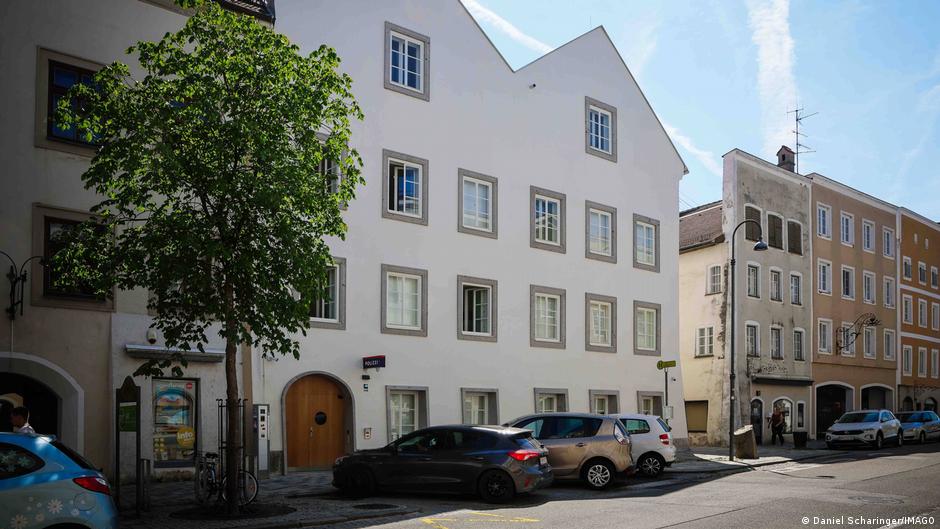
On July 22, 2026, the Braunau am Inn police inaugurated their new headquarters in the very house where Adolf Hitler was born in April 1889. The site, now hosting the local police station and district command, has a charged history, and this latest development reignites ongoing debates surrounding the legacy of Hitler, whose regime led to the deaths of millions during World War II and the Holocaust.
A Tumultuous History
Hitler's birth house, located at Salzburger Vorstadt 15, has been of contentious significance since its inception. Though rented by Hitler's family, the building was appropriated by the Nazi Party after Austria's annexation in 1938, transforming it into a center of propaganda devoted to Hitler's ideology.
Post-World War II, control of the property returned to its original family, and over the years, it served various functions, including a library and a workshop for disabled individuals. However, by 2011, it stood abandoned.
In response to the threat of neo-Nazi gatherings, the Austrian government expropriated the building in 2016, asserting its intent to neutralize the site.
Renovation and Community Response
A renovation costing approximately €20 million was completed, focused on creating a subdued facade for the building. The decision to house a police station within its walls has not been without controversy.
Oskar Deutsch, president of the Jewish Community of Vienna and a member of the advisory commission on the site’s future, articulated that the main aim was to prevent its transformation into a neo-Nazi shrine. While he acknowledged alternative uses could have been considered, he emphasized that the presence of a police station would actively work against neo-Nazi activities.
Yet, dissent exists among local residents. Eveline Doll, a representative of the Diskurs Hitlerhaus citizens' initiative, criticized the decision as a missed historical opportunity, expressing disappointment that proposals for more meaningful uses—such as a center focusing on peace and tolerance—were overlooked.
Historical Context and Implications
The new police station stands out as a stark reminder of Austria's fraught history with the Nazi era, a past that many locals feel has not been fully addressed. In discussions around the police’s role during the Nazi regime, some locals question whether the presence of law enforcement in such a significant location might undermine efforts to remember the atrocities committed.
Florian Kotanko, chair of the Contemporary History Society in Braunau, defended the current institution, contrasting today’s police force with that of the Nazi era, and pointing out accountability measures in place within a democratic governance framework.
The Ongoing Debate
The site's transformation into a police station reflects Austria's complex grappling with its Nazi past. Critically, a recent survey indicated that 39% of Austrians support moving on from addressing historical responsibilities toward a future without reminders of these atrocities. Meanwhile, a memorial stone honoring the victims of fascism remains in place outside the building, despite recommendations for its relocation.
Overall, the establishment of a police station in Hitler's birthplace complicates Austria's narrative concerning its historical culpability while serving as a reminder of the importance of remembering and confronting the darkest chapters of its past.
Popular news
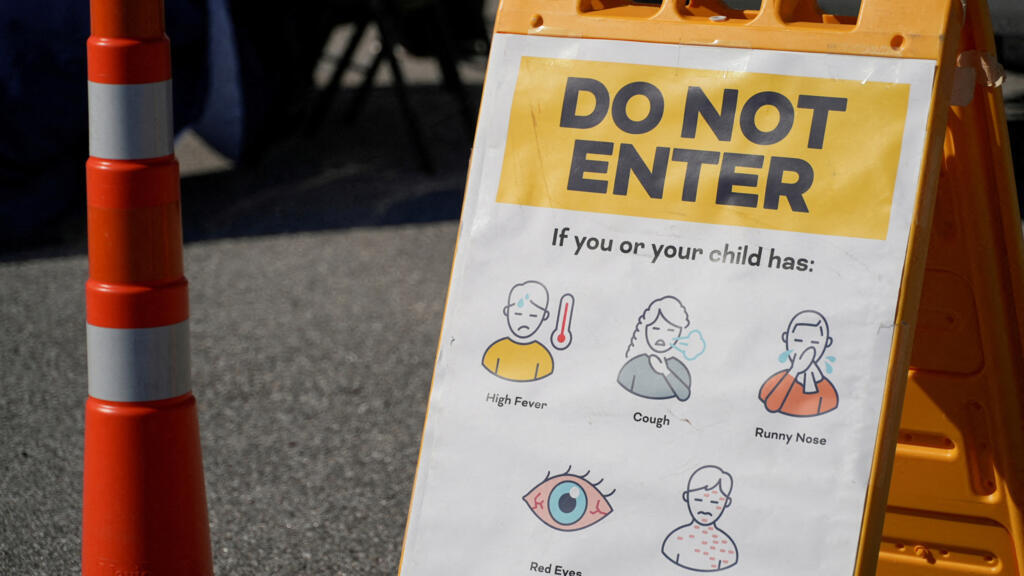
New York has declared a disaster emergency over rising measles cases, especially among under-immunized populations, with 108 confirmed cases.



Subscribe to
our news
Get the most important updates and top stories in your inbox.