 World13 May 2026
Putin Celebrates Successful Test of World's Most Powerful Missile
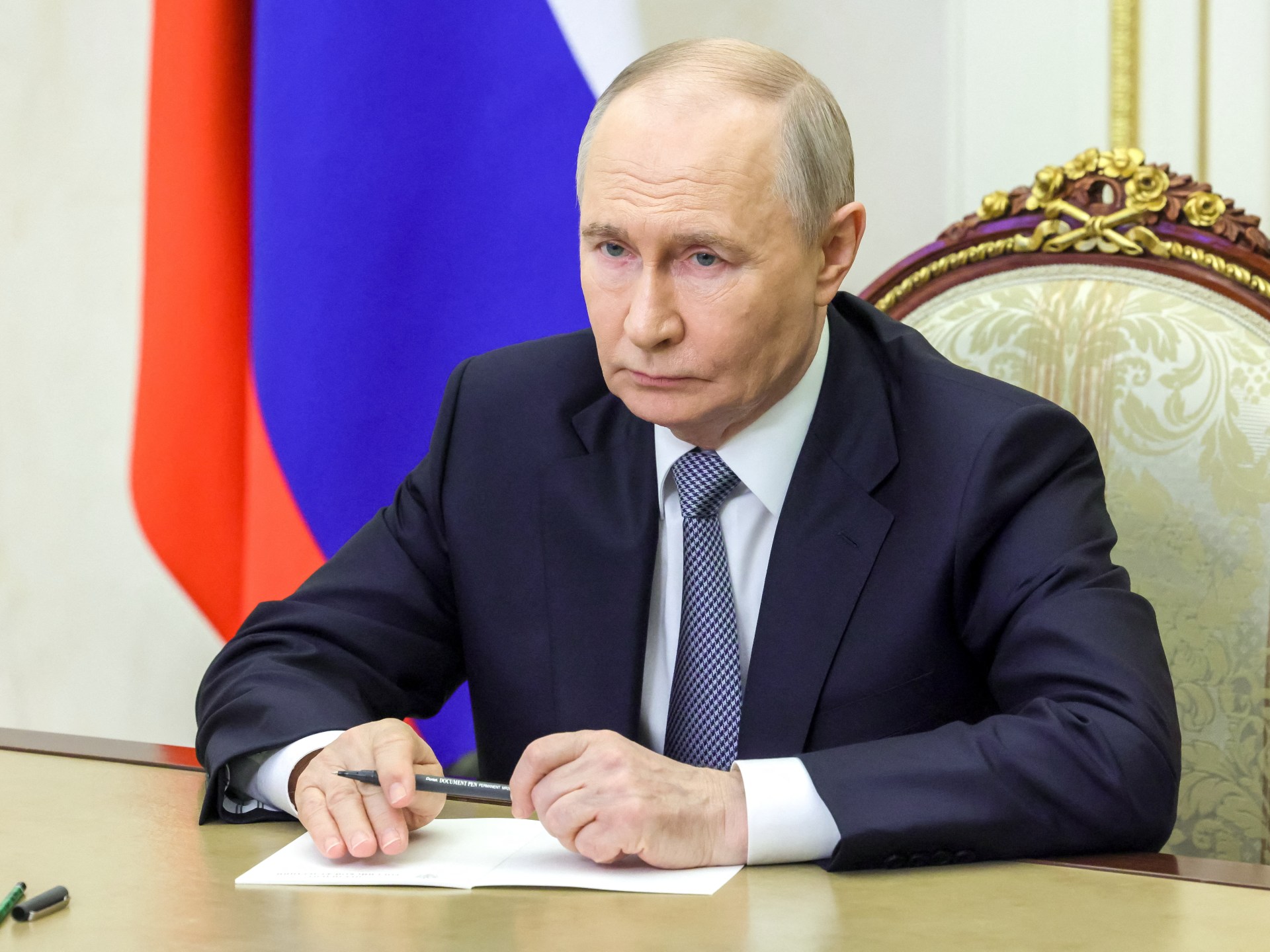
Vladimir Putin hailed the successful test of Russia's Sarmat missile, claimed to be the most powerful globally, amid rising tensions with the US.
Putin Announces Successful Missile Test
In a significant military advancement, President Vladimir Putin has proclaimed the successful test launch of Russia's Sarmat intercontinental ballistic missile, which he described as the world's most powerful missile. The announcement underscores Russia's assertive posture in military capabilities amid escalating geopolitical tensions with the United States.
Details of the Sarmat Missile
Putin detailed that the Sarmat missile has a remarkable operational range exceeding 35,000 kilometers (approximately 21,750 miles) and is designed to bypass contemporary and future missile defense systems. State television showcased footage of Sergei Karakayev, chief of Russia's strategic missile forces, reporting on the missile's successful launch to Putin.
"This is the most powerful missile in the world," Putin stated. He elaborated that the missile's warhead yield exceeds that of any Western counterpart by more than four times. The Sarmat missile is set to enter combat service by the end of this year, following years of developmental challenges.
Historical Context and Developments
Development for the Sarmat began in 2011, and prior to this successful test, there was only one other known successful launch attempt. The program had faced setbacks, including a catastrophic explosion during an abortive test in 2024.
Recognized as “Satan II” in Western circles, the Sarmat missile aims to replace approximately 40 aging Soviet-built Voyevoda missiles.
Putin maintained that the Sarmat missile is as powerful as its predecessor but offers improved precision capabilities. This announcement comes against the backdrop of waning arms control frameworks following the expiration of the New START treaty in February, a pivotal agreement that previously regulated the nuclear arsenals of the US and Russia for over 50 years.
Tensions Following the New START Treaty Expiration
The lapse of New START leaves both nations without any formal nuclear constraints for the first time in decades, raising global concerns regarding nuclear proliferation. Despite both parties committing to maintain dialogue at high military levels, there have been no indications of progress towards a new treaty hierarchy.
Both nations have accused each other of failing to comply with New START's stipulations, creating a precarious situation in global security frameworks.
In light of these developments, Putin has reaffirmed Russia's commitment to modernize its nuclear arsenal, overseeing the integration of new intercontinental ballistic missiles, nuclear submarines, and upgraded bombers into the Russian military. The unveiling of the Sarmat missile is part of this broader modernization initiative.
Future Weapons Systems
Beyond the Sarmat, Russia is also advancing other military technologies such as the Poseidon underwater drone and the Burevestnik cruise missile, both of which incorporate advanced capabilities into the Russian strategic arsenal. Putin characterized these developments as essential for maintaining strategic security amidst perceived threats from US missile defense systems.
In conclusion, the successful test of the Sarmat intercontinental ballistic missile signals a pivotal moment in Russian military strategy and a potential turning point in global arms dynamics, particularly as international relations remain fraught with apprehension and distrust.
Popular news
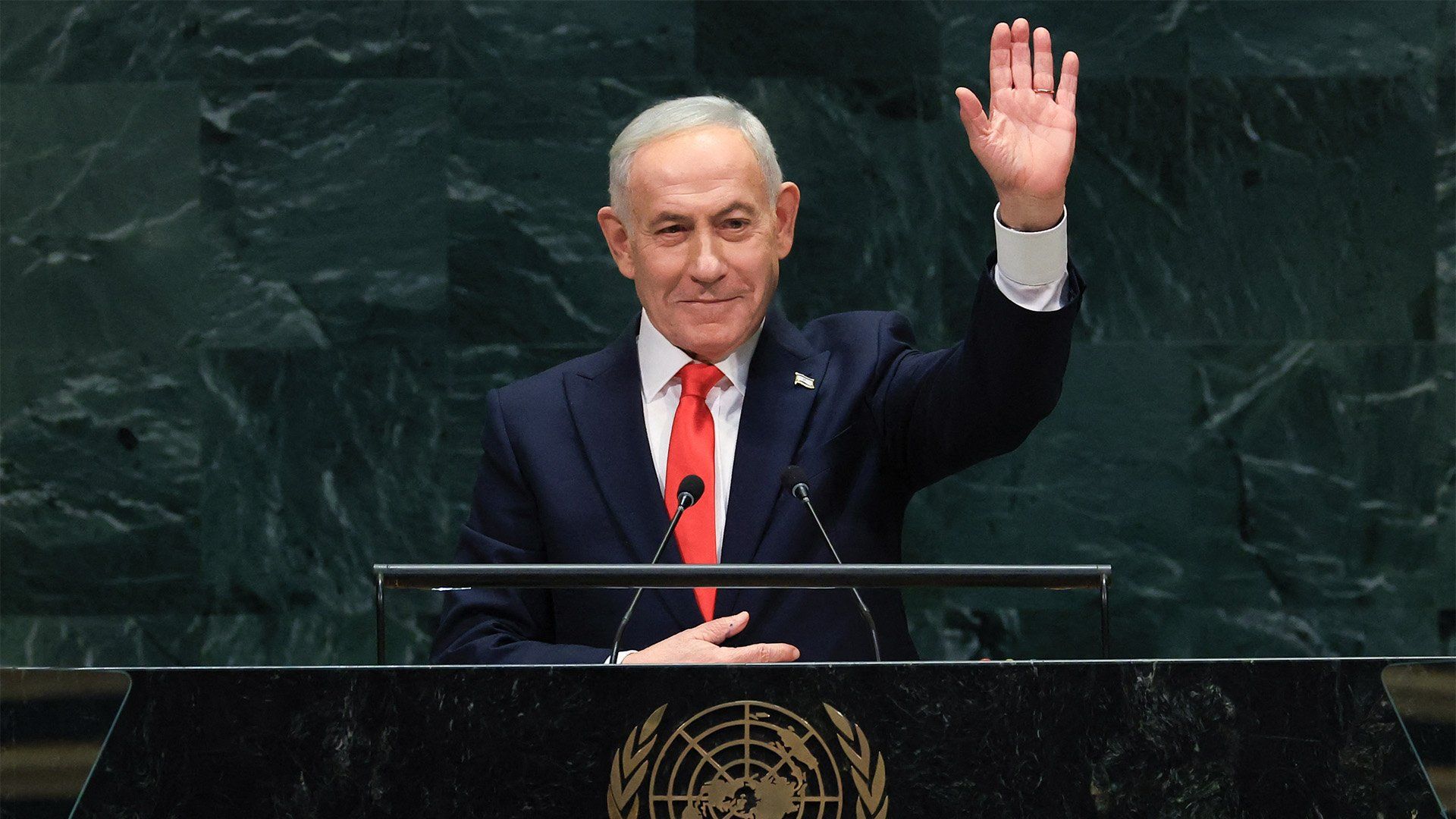
Netanyahu dismisses West Bank violence as actions of 'juvenile delinquents' during a UN speech, focusing on Israel's military success against Hezbollah.



Subscribe to
our news
Get the most important updates and top stories in your inbox.