




 Health15 May 2026
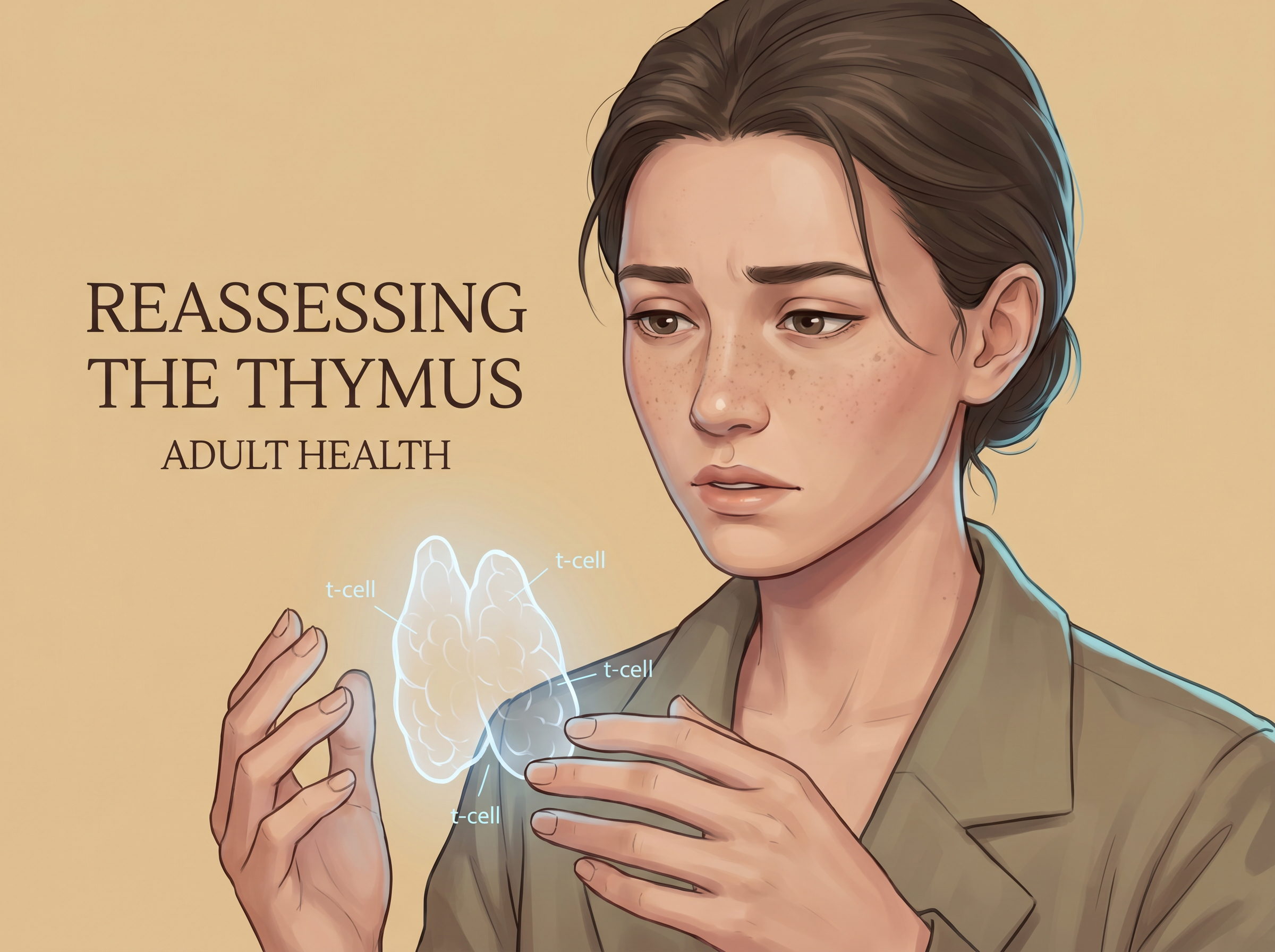
Reassessing the Role of the Thymus in Adult Health
New findings suggest the thymus may play a critical role in adult health, countering its long-standing designation as a vestigial organ.
The Thymus: Beyond Childhood Significance
For years, the thymus gland has been labeled a vestigial organ, thought to wither and lose its importance once adolescence concludes. Traditionally, it was celebrated for its role in the development of T-cells during early life. This perception is undergoing a dramatic shift as recent studies reveal the implications of thymus removal during thoracic surgery and the surprising potential of this organ throughout adulthood.
New Insights from Recent Research
A pivotal study revealed that patients who underwent thymus removal as part of thoracic surgery exhibited poorer health outcomes compared to those who retained their thymus. This discovery caused researchers to revisit the organ's function, which had been underestimated for years. The thymus is not simply a remnant of our childhood—it may play a crucial role in immune function and overall health well into adulthood.
The Role of Artificial Intelligence in Understanding the Thymus
Recent advancements in artificial intelligence have further illuminated the thymus's functions, revealing new perspectives on its involvement in various bodily processes beyond childhood. Researchers are utilizing AI tools to analyze vast amounts of data, helping to uncover crucial patterns and correlations that were previously overlooked. This technology allows scientists to explore the continual relevance of the thymus in adult health, particularly its contributions to immune system resilience and recovery processes.
Implications for Surgical Practices
The insights derived from recent research and AI technology underscore the need for a reevaluation of surgical practices involving the thymus. Surgeons and medical professionals may need to reconsider the standard approach to thoracic surgeries, weighing the risks of removing the thymus against the potential for improved patient outcomes if the organ is preserved. By embracing this new understanding, the medical community can enhance patient care and pave the way for innovative treatment strategies that leverage the thymus's full potential.
As these conversations continue, it remains imperative for researchers and healthcare providers to engage with the evolving science surrounding the thymus, recognizing its importance not just in childhood development, but as a vital component of health across the entire lifespan.
Popular news
Netanyahu dismisses West Bank violence as actions of 'juvenile delinquents' during a UN speech, focusing on Israel's military success against Hezbollah.





Subscribe to
our news
Get the most important updates and top stories in your inbox.