 World26 Sept 2026
Recurring Violence Between Pakistan and Afghanistan: Causes and Consequences
Tensions rise as Pakistan conducts airstrikes in Afghanistan, accused of harboring militants. What drives this recurring violence?
Escalating Tensions on the Pakistan-Afghanistan Border
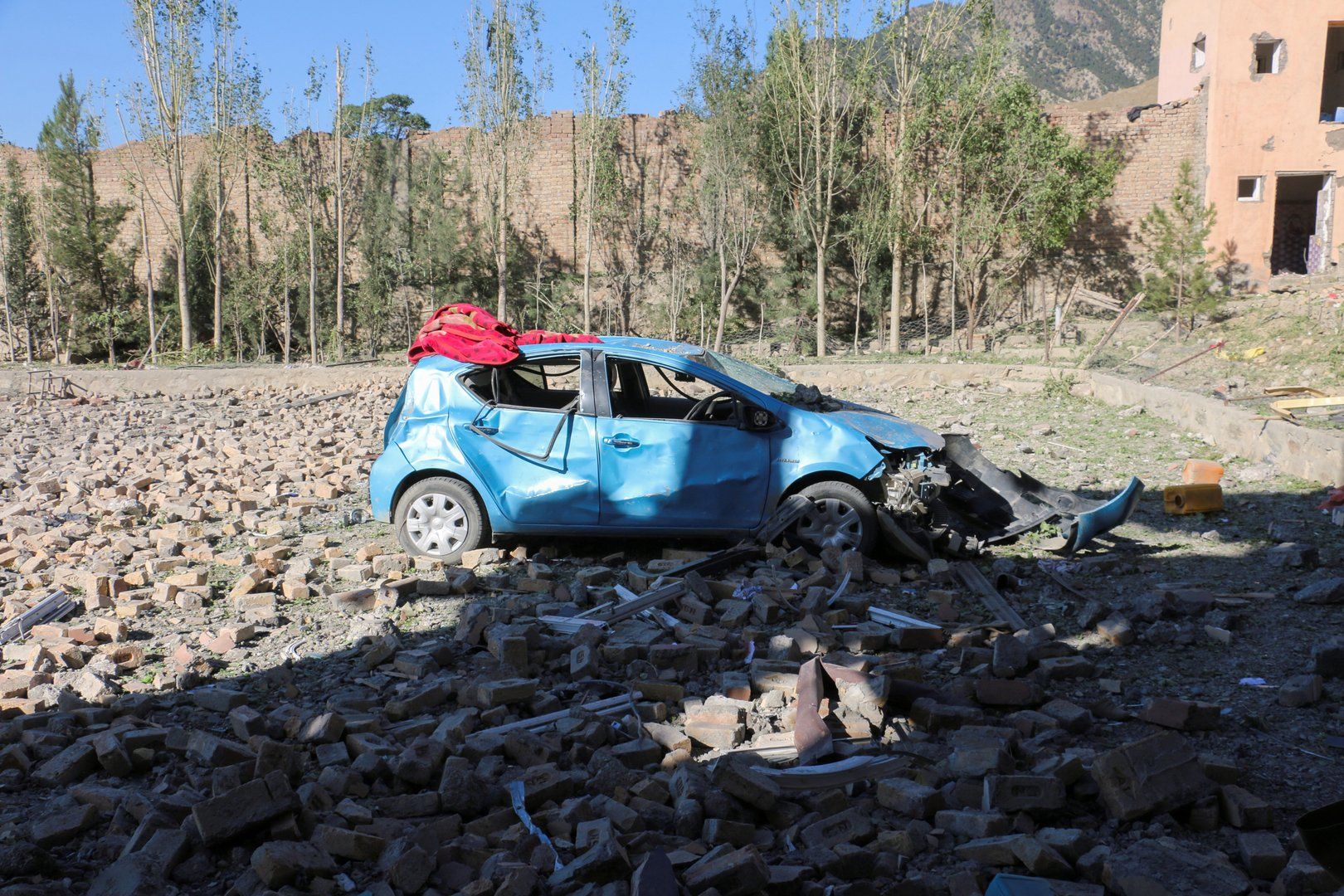
Recent developments along the border between Pakistan and Afghanistan have escalated into violence, with the Pakistani military conducting air strikes inside Afghan territory. This marked an intensifying cycle of hostilities between the two nations, which were once perceived as allied toward a stable regional environment.
Since the Taliban's swift return to power in Kabul in 2021, relations between Pakistan and Afghanistan have soured significantly. Initially, Pakistan viewed the Taliban resurgence as a strategic victory that could aid in stabilizing the border region. However, the reality has proven to be far from this optimistic perspective.
Root Causes of the Violence
Accusations of Militant Harboring
A major source of the feud stems from accusations made by Pakistani officials, who allege that the Afghan government is providing sanctuary to the Pakistani Taliban (Tehrik-i-Taliban Pakistan, TTP) and other militant groups. These elements have been implicated in a series of attacks within Pakistan, leading to significant casualties and increasing instability.
Afghanistan's Denial
In response to these allegations, the Afghan government has consistently denied any involvement in fostering militant violence against Pakistan. Officials in Kabul assert that they do not support or shelter groups like the TTP that threaten Pakistan’s security. This denial has led to further tensions, creating a standoff that complicates diplomatic relations.
Failed Attempts at Peace
Efforts aimed at de-escalating tensions and finding common ground have continually failed, with dialogues yielding little progress. This broken communication reflects a deeper mistrust between the two countries, each viewing the other as a potential adversary rather than a partner in regional stability.
Consequences of Ongoing Conflict
The cycle of violence not only impacts the immediate security situation but also threatens broader geopolitical stability in South Asia. As both nations grapple with the ramifications of continued skirmishes, the risk of wider regional conflict looms large.
Guest experts on the ongoing crises, including former Khyber Pakhtunkhwa police chief Syed Akhtar Ali Shah and Kabul University political science professor Faiz Zaland, have highlighted the need for renewed efforts to address the underlying issues of militancy and governance.
Conclusion
As the situation remains precarious, the question of how to break the cycle of violence between Pakistan and Afghanistan becomes increasingly critical. Without meaningful dialogue and cooperative strategies, the prospects for peace may continue to dim, leaving the region vulnerable to prolonged instability.
Popular news
Micron's massive semiconductor factory in Syracuse aims to rejuvenate the city and could set a precedent for revitalization across the Rust Belt.



Subscribe to
our news
Get the most important updates and top stories in your inbox.