 World02 Oct 2026
Rohingya Refugees in Malaysia Fear Deportation Amid Rising Hostility
Rohingya refugees in Malaysia face rising fears amid recent deportations and increased raids by immigration officials.
Rising Fears Among Rohingya Refugees in Malaysia
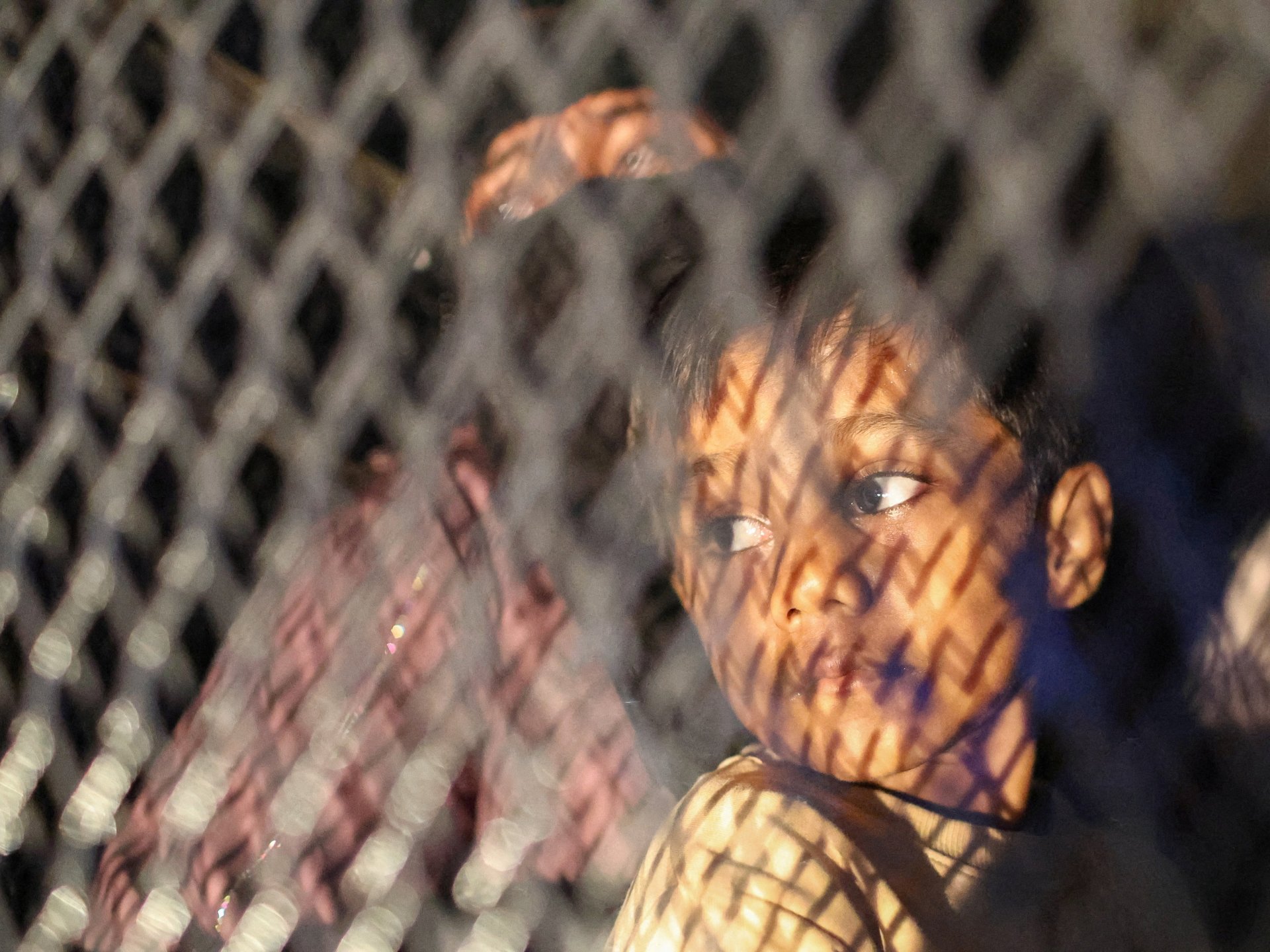
Refugees in Malaysia, particularly those from the Rohingya community, are grappling with increased anxiety following the recent deportation of nearly 1,500 individuals back to Myanmar. This action, part of a broader plan to repatriate at least 5,000 refugees, has intensified concerns among the remaining Myanmar nationals about their future in the country.
Effects of Deportation on Refugee Communities
The Malaysian government described the deportation as part of their cooperation with the military regime of Myanmar. However, local leaders like Raf*, a prominent figure among the Rohingya refugees, reported an overwhelming number of pleas from those fearing for their safety.
"They are crying, asking me to do something," Raf relayed to Al Jazeera. The fear stems from potential reprisals against those deported, as many Rohingya face severe persecution in Myanmar, where they are denied citizenship and viewed as illegal immigrants.
Increasing Hostility and Immigration Raids
As the deportations unfolded, immigration raids in refugee communities have surged, resulting in the detention of over 50,000 refugees this year alone. Heidy Quah, founder of the nonprofit Refuge for the Refugees, noted that raids are now commonplace, with reports of up to 50 operations daily since a repatriation agreement was announced in June.
Minister of Home Affairs Saifuddin Nasution confirmed that over 9,700 such operations have occurred since the beginning of the year, raising alarms among human rights organizations and refugee advocates.
Declining Support for Refugees
The deteriorating support for refugees in Malaysia coincides with diminishing resources for local aid organizations. Once robust aid offerings have suffered significantly since the withdrawal of the United States Agency for International Development in July 2025, followed by reductions within the UNHCR. Quah highlighted the dire conditions:
"As the funding dries up, refugees face higher rates of exploitation and a lack of basic support like healthcare."
Ongoing Violence in Myanmar
The recent deportations have drawn condemnation from various rights groups, particularly given escalating violence in Myanmar. Just before the deportations, an airstrike reported in Rakhine state killed at least 33 individuals, underlining the perilous situation facing those returned. The Human Rights Commission of Malaysia (SUHAKAM) has voiced strong objections, emphasizing that children should never be returned to such dangers.
Calls for Oversight and Better Refugee Policies
As criticisms mount, UNHCR has called for an independent assessment of the deportation process to ensure that decisions are fully voluntary and informed. According to Edem Wosornu, Assistant High Commissioner for Protection at UNHCR, the autonomy of those returned has been compromised given their detention periods.
“Involuntary deportations can lead to grave risks under the principle of non-refoulement,” Wosornu warned.
In contrast, local NGOs like Amnesty International emphasize that legitimate refugee registration must precede any deportation actions. They express concern that current policies might prioritize deportation over refuge, undermining the intended protections for vulnerable populations.
Conclusion
The plight of refugees in Malaysia remains precarious as the balance between national policies and human rights continues to tilt. As the situation evolves, both local and international communities are urged to advocate for humane treatment and rights for those seeking refuge from persecution.
*Name changed to protect the individual’s identity.
Popular news
Nuveen acquires Schroders, creating a $2.6 trillion asset management powerhouse.



Subscribe to
our news
Get the most important updates and top stories in your inbox.