





 Business15 Jul 2026
Senate Democrats Challenge DOJ on Subpoenas Issued to New York Times Reporters
Senate Democrats confront DOJ officials over subpoenas to New York Times reporters, sparking a debate on press freedom and national security.
Senate Investigation into DOJ Subpoenas
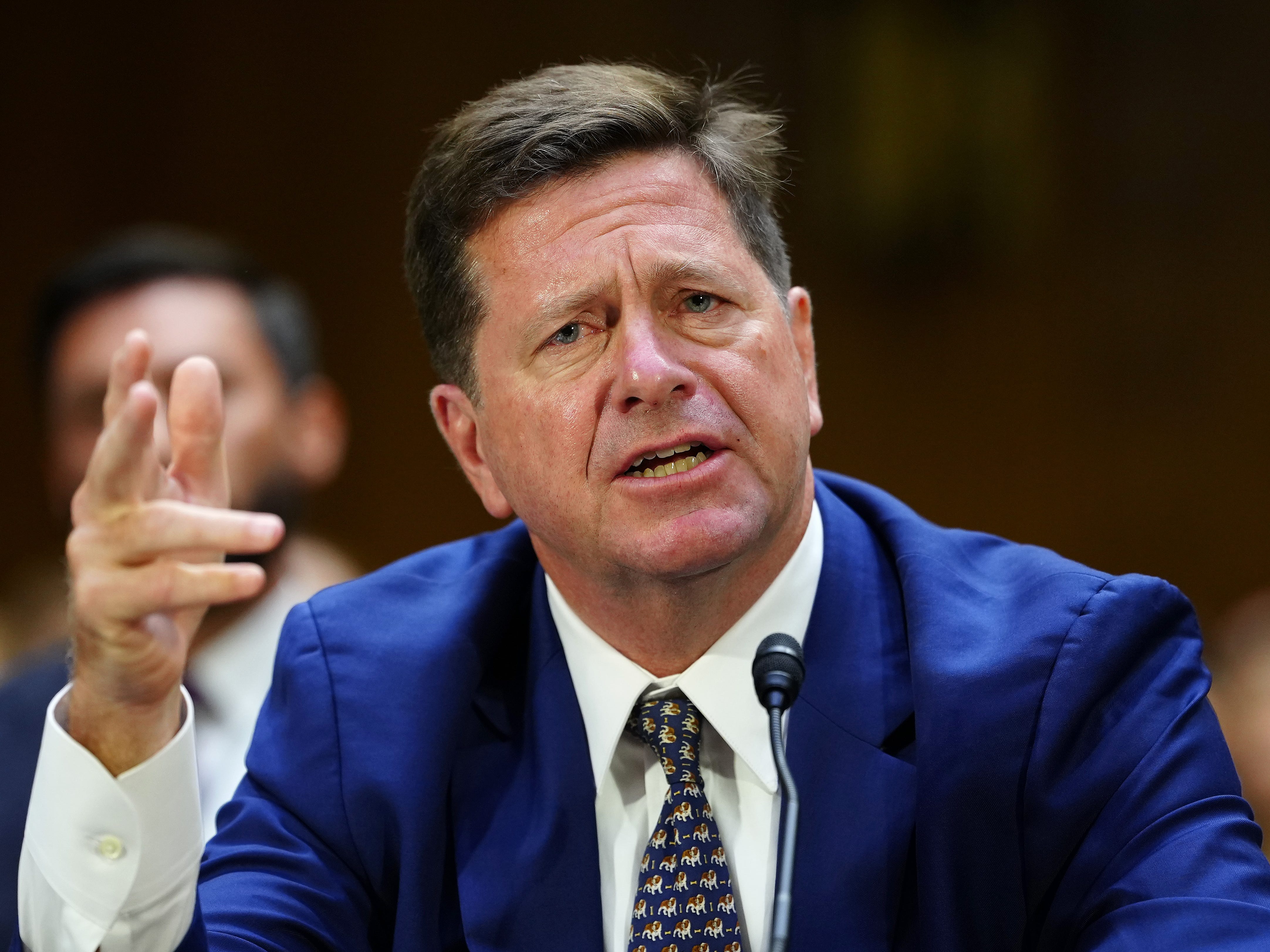
In a series of hearings on Capitol Hill, Senate Democrats scrutinized high-ranking Justice Department (DOJ) officials, including Jay Clayton, concerning the recent subpoenas targeting several New York Times reporters. These subpoenas arose from an investigation into potential security flaws in the newly modified Air Force One, prompting significant debate surrounding press freedoms and governmental oversight.
Context of the Subpoenas
The grand jury subpoenas, signed by Clayton, the U.S. Attorney for the Southern District of New York, have been characterized by senators as a potential infringement on journalistic integrity. This investigation follows a New York Times report detailing deficiencies in the new Air Force One, which, it was revealed, lacks advanced anti-missile defense capabilities compared to its predecessor. The modified Boeing 747-8 aircraft, funded by Qatar, has raised national security concerns and heightened scrutiny around the government’s protective measures.
Five reporters from the Times—Julian Barnes, Eric Lipton, Tyler Pager, Eric Schmitt, and Adam Goldman—were directed to testify before a grand jury, intensifying cries from press advocates that such actions represent a direct threat to journalistic freedom.
Senate Hearings and Responses
During the hearings, Senator Ron Wyden, a Democrat from Oregon, referred to the subpoenas as a "flagrant attack" on the First Amendment, questioning Clayton's decision-making process in authorizing such drastic measures against the press. Clayton defended the subpoenas by asserting that they were a necessary step in addressing a significant national security concern. He remarked, "I operate by asking my team, 'What do you think?' Any action in this regard, you can be assured, was a consultative exercise with the prosecutors in my office."
In parallel to Clayton’s testimony, Todd Blanche, President Trump’s nominee for Attorney General, articulated the DOJ’s view that the journalists were being seen as "material witnesses" in the investigation. Blanche aimed to convey that the department was pursuing an investigation into how classified national security information was leaked and expressed a commitment to protecting such information from future breaches.
New York Times’ Response
The New York Times has vigorously opposed the subpoenas, with Executive Editor Joe Kahn decrying the action as a "retaliatory abuse of prosecutorial power." Kahn emphasized the important role of the media, stating, "This is a naked attempt to intimidate individual reporters and to prevent The Times and other independent news media from doing important reporting protected by the First Amendment."
The Times plans to challenge the subpoenas in court, seeking to quash them and reaffirm its commitment to defending press freedoms. The broader implications of this conflict highlight an ongoing tension between national security interests and the fundamental rights of the press, raising significant questions about accountability and transparency in government operations.
Conclusion
As the dialogue continues, the balance between safeguarding national interests and upholding the rights of journalists remains a contentious area of discussion within the halls of power. The Senate hearings reflect a critical moment for both the administration's approach to press freedoms and the role of investigative journalism in American democracy.
Popular news
The US military's deployment in the Middle East intensifies risks of conflict with Iran amid stalled diplomatic efforts and significant sanctions.



Subscribe to
our news
Get the most important updates and top stories in your inbox.
