




 Technology23 Jul 2026
SpaceX Falcon 9 Upper Stage to Crash into Moon This August
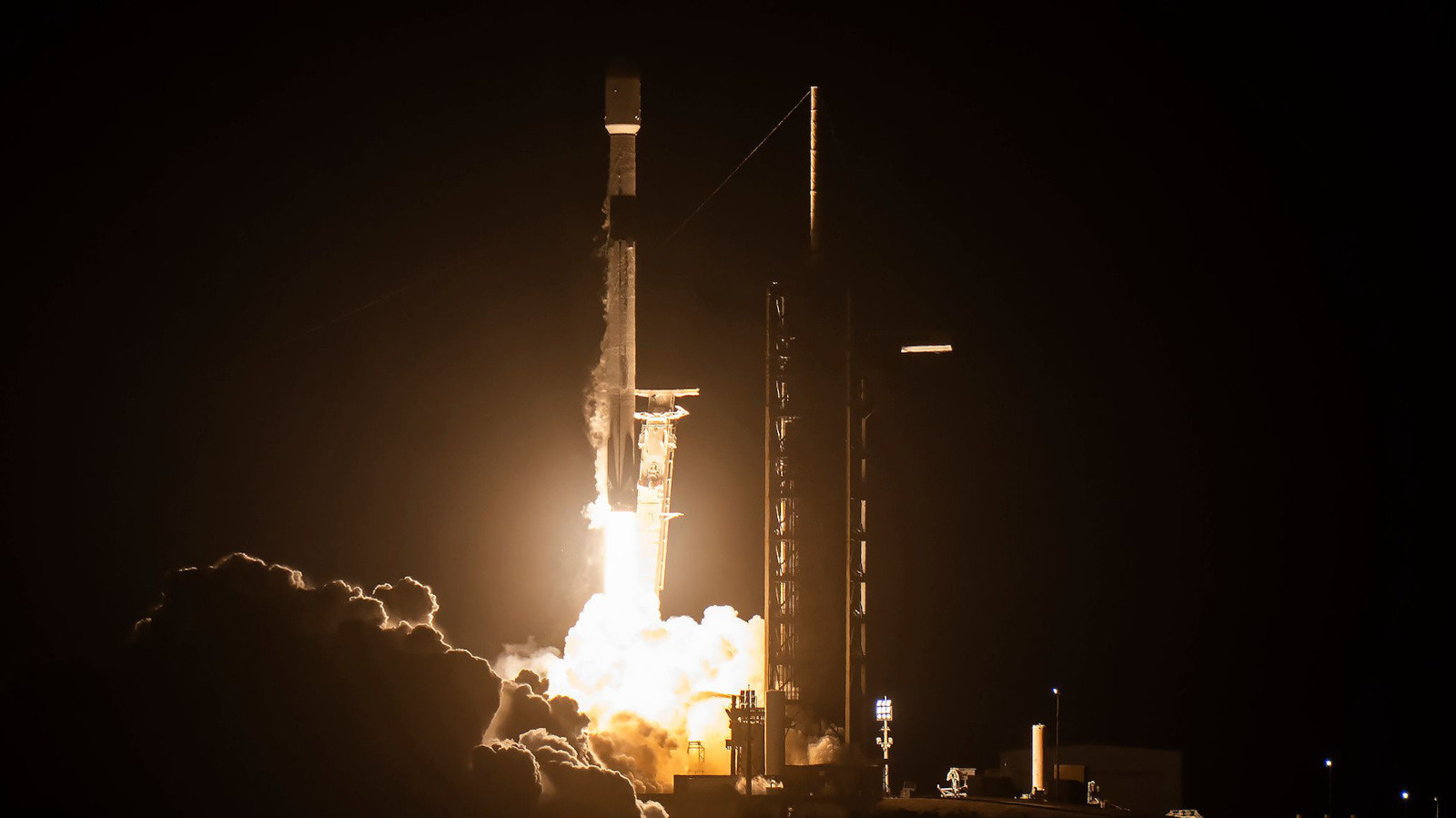
On August 5, a SpaceX Falcon 9 rocket's upper stage will crash into the moon, observable from Earth with ground-based telescopes.
Upcoming Lunar Impact by SpaceX Falcon 9
Astronomers are gearing up for a remarkable event scheduled for August 5 at 2:35 AM ET, when the upper stage of a SpaceX Falcon 9 rocket will crash into the moon, specifically near the Einstein Crater. This phenomenon will be visible from Earth using ground-based telescopes, offering a unique opportunity for scientists to study the effects of artificial impacts on lunar surfaces.
Details of the Rocket's Journey
The Falcon 9 rocket's upper stage, approximately 39 feet long and weighing around 4,000 kg, was originally part of the Firefly Blue Ghost mission, which successfully launched on January 15, 2025. The mission’s primary purpose was to deliver Firefly Aerospace's Blue Ghost lunar lander alongside with the Japanese lunar lander, Hakuto-R, developed by ispace. After delivering its payload, the rocket ran out of fuel and has been drifting in orbit ever since.
According to Bill Gray, the developer of Project Pluto, a desktop planetarium software, he was the first to predict this lunar crash using data processed through his simulations. He noted that the event would provide significant insights into the dynamics of impact events on the moon.
Expected Impact and Observational Opportunities
As the upper stage of the Falcon 9 hurtles towards the lunar surface at an impressive speed of about 5,400 mph, experts indicate that the impact will not be severe. A study co-authored by Gray suggests that the rocket's hollow structure diminishes its potential for causing substantial damage compared to more solid natural impactors. Despite its size, the lightweight design means that its impact will generate a smaller dust plume than might typically be expected from a similar-sized objective.
For astronomers, this event represents a valuable chance to observe the moment of impact and analyze the resulting dust and debris. The visibility of the impact will be greatest in regions experiencing darkness at the time, making it particularly favorable for observers in South America and certain parts of North America.
Conclusion: A Historic Moment for Astronomy
The crash of the Falcon 9 upper stage presents an exceptional opportunity for astronomers to learn more about both astronomical events and the risks posed by human-made debris in space. Observers should prepare in advance, as the angle and height of the moon during the impact will influence visibility. With the excitement building, the astronomical community looks forward to witnessing this significant event in lunar exploration history.
Popular news
New York has declared a disaster emergency over rising measles cases, especially among under-immunized populations, with 108 confirmed cases.




Subscribe to
our news
Get the most important updates and top stories in your inbox.