




 World01 Aug 2026
Spain Installs Floating Barrier in Ceuta Amid Migrant Influx
Spain begins installing a floating barrier in Ceuta following a dramatic influx of migrants from Morocco, sparking EU border security concerns.
Overview of the Situation in Ceuta
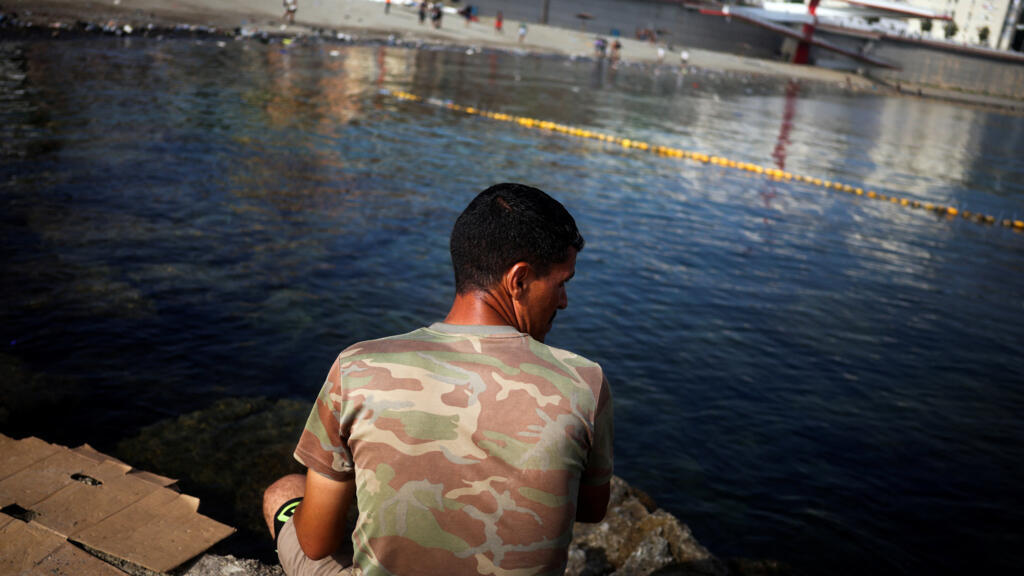
Spain has taken decisive action in response to a dramatic surge in migration attempts from Morocco, beginning the installation of a floating barrier at the maritime border of Ceuta, one of its enclaves in North Africa. This measure comes after tens of thousands of migrants attempted to make the perilous crossing to the territory earlier this week, prompting serious concerns from the European Union about border security and migration policies.
Background on the Migrant Surge
Recent Migration Trends
The influx of migrants into Ceuta marks a significant increase in the number of individuals attempting to enter the territory. According to Spanish authorities, the situation escalated dramatically, causing alarm among EU officials. Ceuta, together with Melilla, is one of the two autonomous Spanish cities that share borders with Morocco, serving as a key entry point for many migrants seeking better opportunities in Europe.
Reactions from Authorities
In light of the increased migration attempts, Spanish government officials have expressed their commitment to ensuring the safety and security of the border. The decision to install a floating barrier is part of broader efforts to manage the migration crisis effectively and prevent unauthorized crossings. This response not only aims to enhance physical security but also to reassure neighboring EU member states about Spain's border management capabilities.
Implications for EU Migration Policy
Concerns Over Border Security
The events in Ceuta highlight ongoing concerns within the European Union regarding migration flows from North Africa. The rising number of migrants seeking refuge or better living conditions in Europe has sparked debates about border security and the humanitarian implications of such migration trends. As EU member states grapple with these issues, the situation in Ceuta may influence future policies concerning migration management across the region.
The Role of Morocco
As the source of this significant migrant influx, Morocco's role remains critical in the broader context of EU relations and border security. Spain's government has been working closely with Moroccan authorities to address the underlying causes of migration, emphasizing the need for cooperation to manage the situation effectively.
In summary, the installation of the floating barrier in Ceuta signifies Spain's proactive approach to managing its borders amid a challenging migration landscape. With increasing attention from the EU, the developments in Ceuta could set the tone for future discussions on migration policy across Europe.
Popular news
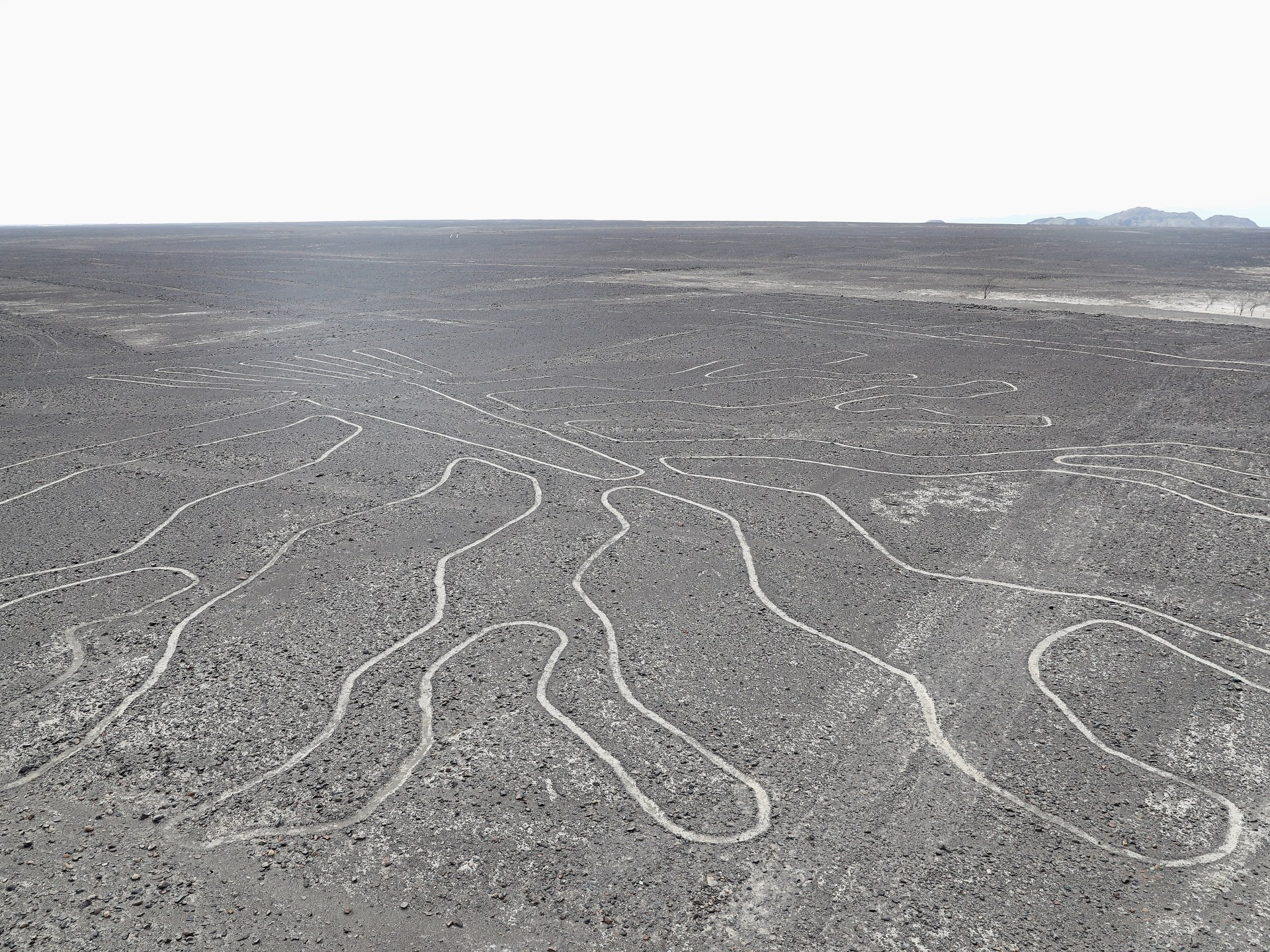
A small plane crash while touring the Nazca Lines in Peru has resulted in 13 fatalities, including tourists and crew.




Subscribe to
our news
Get the most important updates and top stories in your inbox.