




 Business05 Jun 2026
Strait of Hormuz Conflict Changes Energy Security Landscape
The Iran conflict redefines energy security, emphasizing renewables over fossil fuels and highlighting the vulnerabilities of global energy supply chains.
Conflict in the Strait of Hormuz Reshapes Energy Security
The ongoing tensions surrounding Iran and its control over the Strait of Hormuz have significantly altered the landscape of energy security. Traditionally viewed as a stable source of energy through fossil fuels, the conflict has shifted perceptions, revealing the vulnerabilities within fossil fuel supply chains that were once deemed secure.
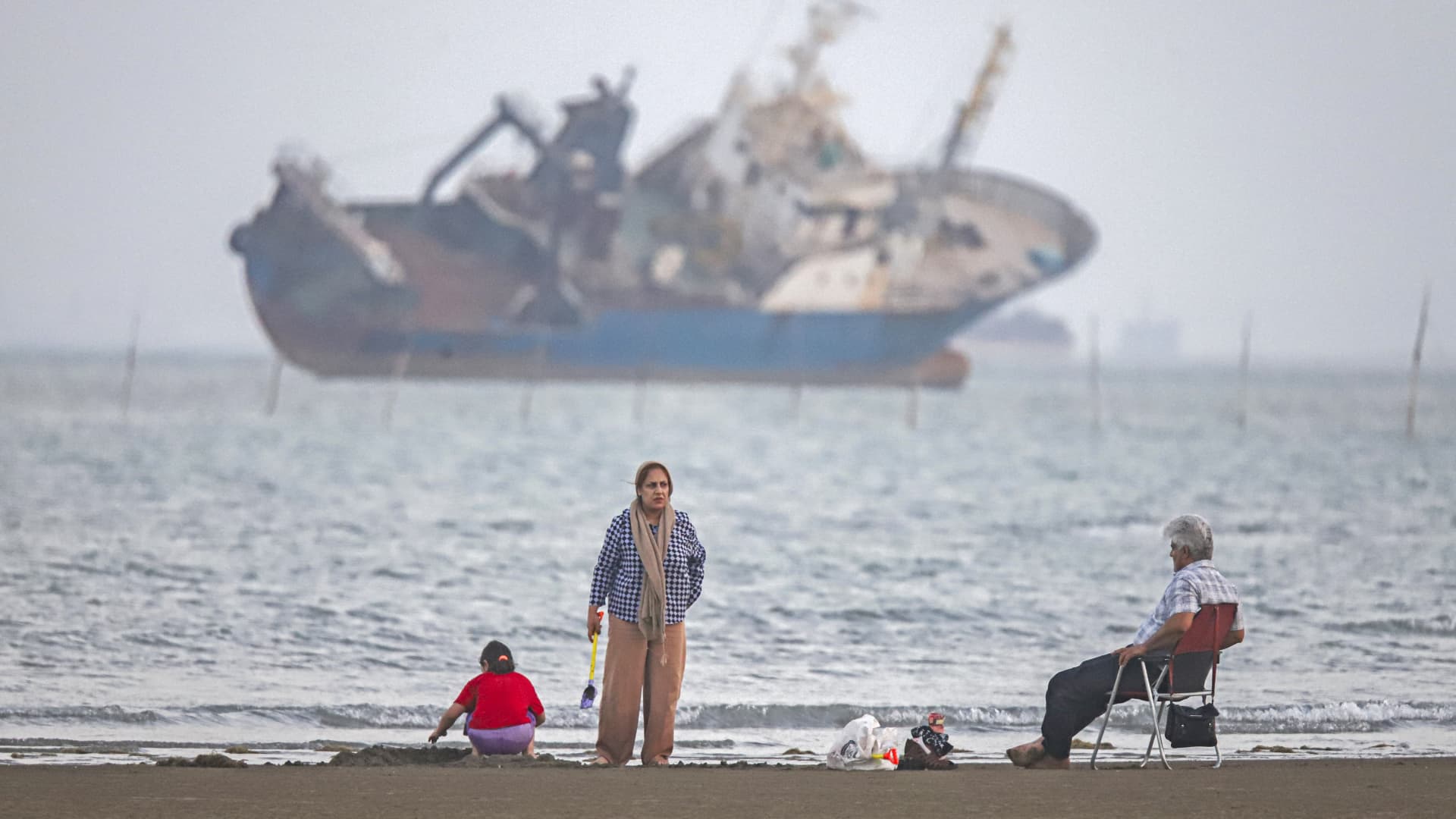
According to experts attending the Eurelectric Power Summit in Helsinki, the disruption in the Strait — a crucial conduit for about 20% of the world's oil and liquefied natural gas — showcases the unpredictable nature of fossil fuel supplies compared to renewable energy sources.
Fossil Fuels: The New Intermittent Source
Kingsmill Bond, an energy strategist at the UK-based think tank Ember, remarked, "Fossil fuels are now intermittent and uncertain," challenging the long-accepted criticism that renewables were less reliable due to their dependency on weather conditions. Bond asserts that with advancements in battery technology, solar and wind energy are now more consistent forms of power generation. He emphasized the urgent need for Europe to transition rapidly to these renewable sources to mitigate the risks associated with fossil fuel unpredictability.
Bond noted the historical context of energy crises, comparing current circumstances to the oil shortages of the 1970s, and pointed out that today’s technological advancements in solar, wind, and battery storage provide a viable alternative to fossil fuels, enabling a smoother transition towards energy security.
Global Implications of the Iran Conflict
The ripple effects of the U.S. and Israeli-led actions against Iran have not only rattled energy markets but also raised concerns over inflation, particularly within Asia, which heavily relies on imported energy. The uncertainty surrounding the reopening of the Strait of Hormuz continues to press nations to rethink their dependence on traditional fossil fuel trade routes.
Fortum's CEO, Markus Rauramo, articulated that the reliance on imported fuels with high CO2 emissions is unsustainable. He advocated for developing local clean electricity sources to reduce dependence on such volatile fuels.
The Evolution of Energy Security Narratives
As the conflict reshapes energy discussions, the idea of "energy addition" has gained traction. This concept promotes the simultaneous development of renewable technologies alongside fossil fuels, creating a more diversified and secure energy supply. In contrast, the term "energy transition" typically refers to a shift from one energy source to another, often leaving behind existing infrastructure without a fallback.
Birgitte Ringstad Vartdal, CEO of Statkraft, supported this argument by highlighting the advancements in battery technology that allow for better energy storage and utilization, thus bridging intermittency gaps in renewable energy generation.
Europe's Increasing Dependency on U.S. LNG
As Europe scrambles to secure energy sources during the conflict, there are growing concerns over its reliance on U.S. liquefied natural gas (LNG). Jan Rosenow, an energy and climate policy professor at the University of Oxford, voiced that while U.S. LNG may provide immediate relief, it also increases dependency on a politically unstable supplier, which poses risks not associated with renewable sources produced locally.
In light of these challenges, transitioning to renewable energy not only holds the promise of sustainable and stable power generation but also addresses the pressing geopolitical and environmental issues stemming from dependency on fossil fuels. Renewables are increasingly being seen as the secure alternative to the vulnerabilities exposed by current global conflicts.
Popular news
New York has declared a disaster emergency over rising measles cases, especially among under-immunized populations, with 108 confirmed cases.


Subscribe to
our news
Get the most important updates and top stories in your inbox.