 World27 Jul 2026
Sudanese Army Regains Control of Key Highway Amid Ongoing Conflict
The Sudanese army has reclaimed the Al Sadarat highway, enhancing military logistics and humanitarian access in the conflict-ridden region.
Sudanese Army Retakes Strategic Highway
The Sudanese army has successfully regained control of the Al Sadarat highway, a crucial road linking the capital, Khartoum, to el-Obeid. This development follows intense confrontations with the Rapid Support Forces (RSF), who have exerted dominance over this route since April 2023. The military's victory not only facilitates logistics for troop and supply movements but also aims to enhance humanitarian access for el-Obeid's approximately 500,000 trapped residents.
Context of the Conflict
The ongoing conflict in Sudan, which erupted earlier this year between the Sudanese army and the RSF over integration issues, has resulted in severe humanitarian crises. The RSF's control of the Al Sadarat highway had previously enabled them to impede supplies and strengthen their push towards el-Obeid, the capital of North Kordofan state. Reports indicate that the RSF have carried out drone attacks against vulnerable civilians in the area, exacerbating the dire situation.
In a statement released on Sunday, the Sudanese army announced their accomplishments in reclaiming several towns along the highway after two days of fierce battles. They reportedly inflicted significant casualties on RSF forces, prompting their retreat. "With this victory, the forces have taken control of the export route of Omdurman Al-Abyd," stated the army.
Implications of the Control
This regained control of the Al Sadarat highway is pivotal as it reinstitutes direct access between Khartoum and Kordofan for the first time in months. According to Al Jazeera's correspondent AlMigdad Alruhaid, the highway serves as a vital military supply route, facilitating quicker transportation of fuel, troops, and equipment. This development not only alleviates pressure on el-Obeid but also opens potential trade routes for livestock and agricultural goods from the Kordofan region.
The capture of this strategic route comes as a reassuring sign for civilians facing immense hardships due to ongoing conflict. Improved access may provide more effective humanitarian assistance to those affected by the war. The need for support grows increasingly urgent, especially as local reports highlight the risk of violence against women and children seeking basic necessities in the war zone.
Humanitarian Crisis
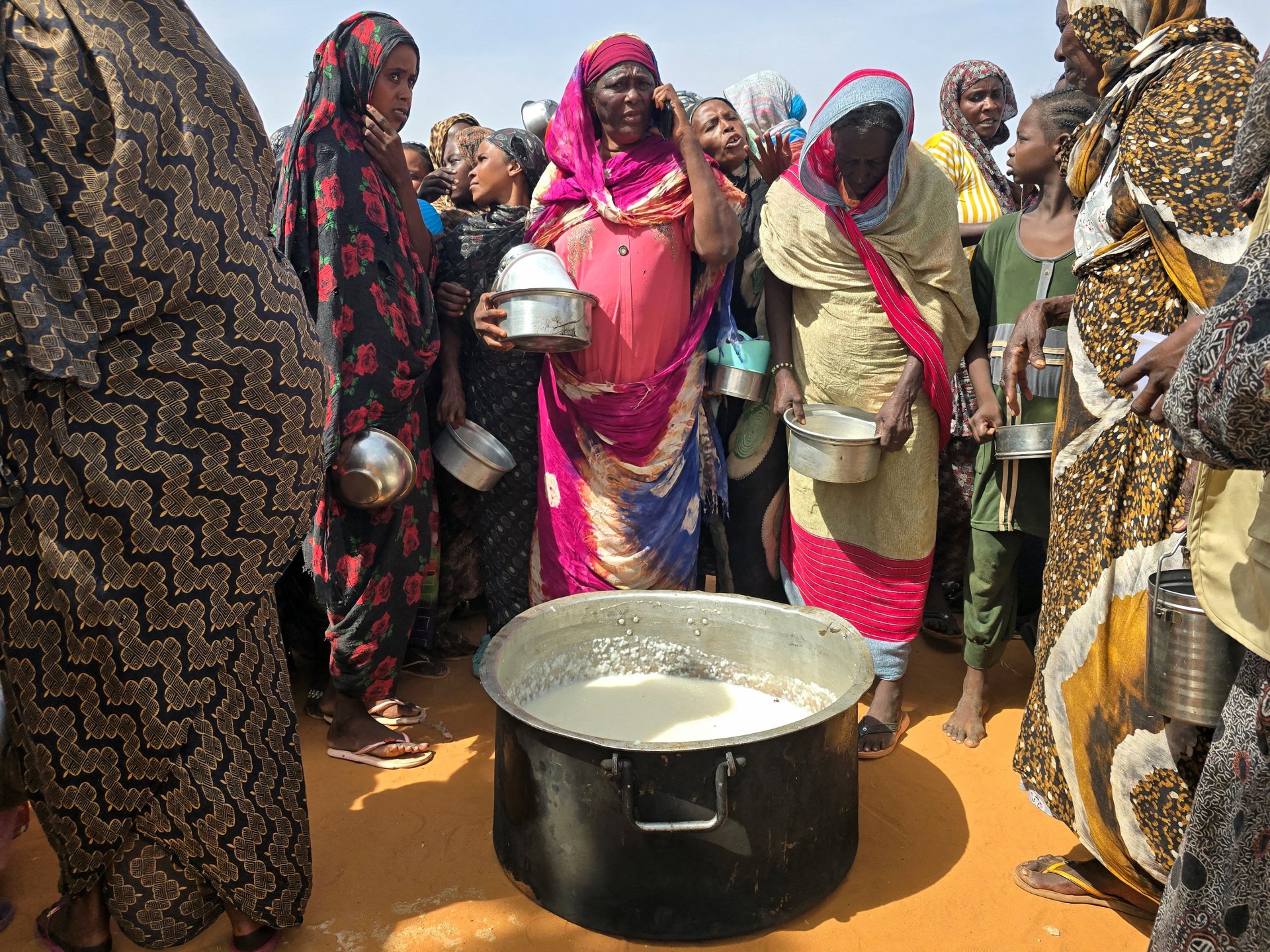
As the conflict rages on, humanitarian needs continue to escalate significantly. The World Health Organization has estimated that about 40,000 people have lost their lives due to the conflict, with more than 14 million displaced from their homes. Conditions in el-Obeid have become particularly dire, where residents face limited access to essential services and ongoing threats from RSF actions.
UN Women has reported that women and girls in el-Obeid are facing horrific choices in their daily lives, with security threats affecting their ability to collect even simple resources like water. The situation underscores the urgent need for humanitarian intervention as the internal strife presents repercussions that extend far beyond military control, impacting the lives of countless civilians caught in the crossfire.
Popular news
New York has declared a disaster emergency over rising measles cases, especially among under-immunized populations, with 108 confirmed cases.




Subscribe to
our news
Get the most important updates and top stories in your inbox.