




 Business03 Jun 2026
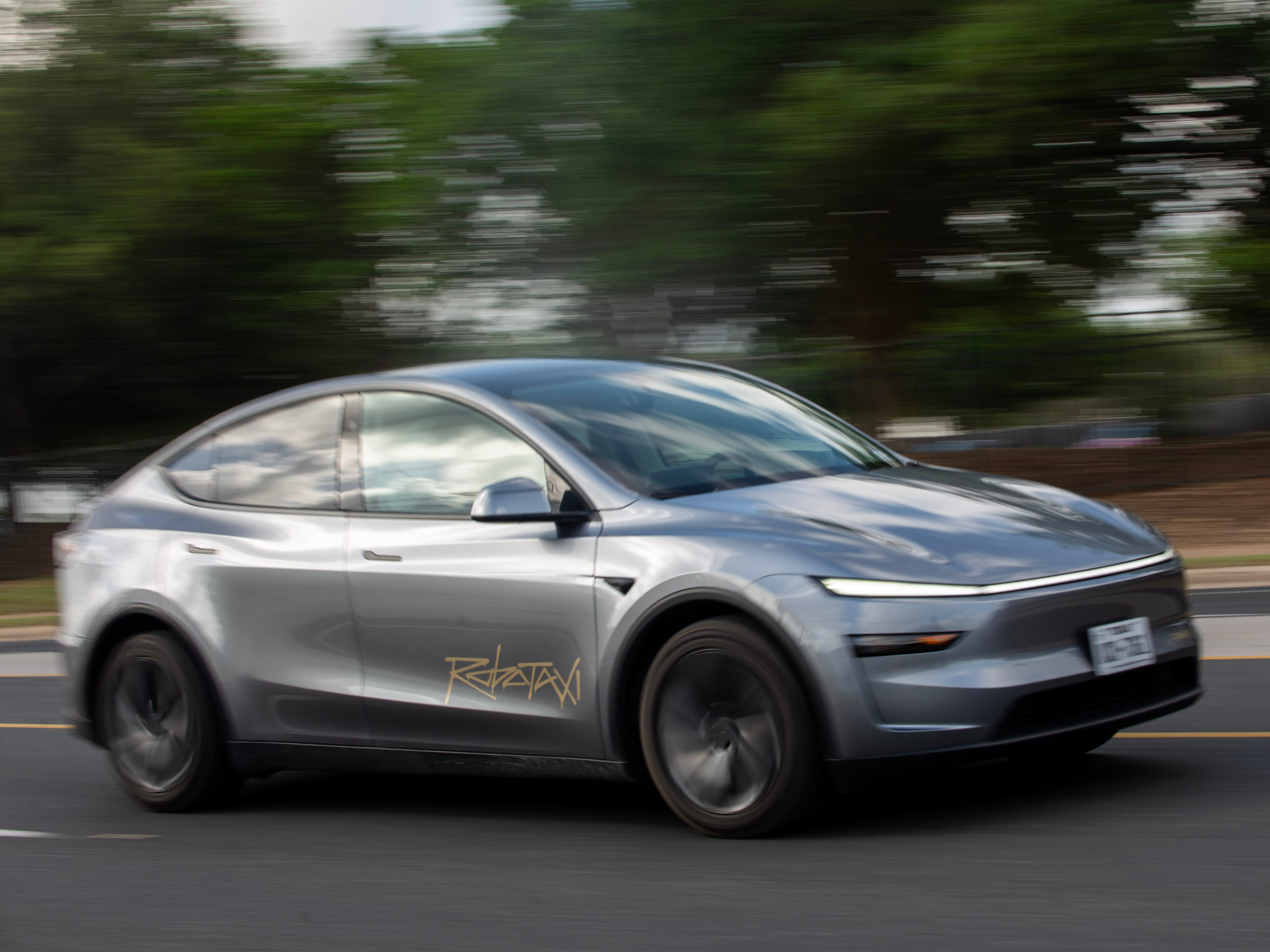
Tesla Expands Unsupervised Robotaxi Service in Austin Metro Area
Tesla has expanded its unsupervised robotaxi service area in Austin, but the fleet size remains unchanged as it competes with Waymo.
Tesla Expands Robotaxi Service in Austin
Tesla has officially expanded the coverage area for its unsupervised robotaxi service throughout the Austin Metro, increasing options for riders in the region. This move, announced on Wednesday, signifies the company's ongoing commitment to enhancing its autonomous vehicle offerings. However, Tesla has refrained from disclosing plans to increase the number of vehicles within this extended service area.
Service Area Expansion Details
In an announcement shared on social media, Tesla revealed that robotaxi rides without human operators are now available across the entirety of the Austin Metro area. This significant expansion follows a recent decision by Tesla to eliminate human monitors from its robotaxi fleet, reflecting an increased confidence in its self-driving technology.
The company initiated the rollout of this service with a human operator last June, garnering attention from enthusiasts and tech supporters alike. Currently, Tesla operates 42 registered vehicles in Austin, with only about 21 of those being unsupervised cars. This static fleet size raises questions regarding the company’s ability to keep pace with its competitors.
Competing with Waymo
For context, Waymo, another key player in the autonomous vehicle market, has established a significantly larger presence in the area with 619 registered self-driving cars at its disposal. As Tesla seeks to capitalize on the expanding interest in self-driving technology, the limited number of its operational vehicles could prove to be a disadvantage.
As noted in the industry, augmenting fleet size is crucial for improving service efficiency and reducing wait times for customers. Current users of Tesla’s robotaxi service have expressed concerns over wait times, with reports of fluctuating estimated arrival times. Recently, some users in San Francisco faced notifications of high demand, emphasizing the need for more vehicles to meet rider demands.
Future Considerations
Elon Musk, CEO of Tesla, previously stated aspirations to grow the fleet to approximately 500 robotaxis by the end of 2025, suggesting an ambitious growth trajectory that is yet to be realized. Current records from the Texas Department of Motor Vehicles confirm the unchanged fleet status, prompting inquiries into Tesla's future plans for expansion.
Both Tesla and Waymo have faced challenges in navigating the complexities of deploying autonomous services successfully. While Waymo has recently expanded its operational reach to six new cities, it also encountered service interruptions due to various factors, including adverse weather conditions and infrastructural obstacles.
A Tesla spokesperson did not provide any immediate commentary regarding the company’s strategy for increasing its vehicle fleet in Austin amid this latest expansion.
Conclusion
The expansion of Tesla's robotaxi service area in the Austin region marks a pivotal step in its quest to enhance autonomous mobility solutions. However, the lack of new vehicle integrations raises critical questions about Tesla’s competitive edge in a rapidly evolving market dominated by companies like Waymo.
Popular news
New York has declared a disaster emergency over rising measles cases, especially among under-immunized populations, with 108 confirmed cases.

Subscribe to
our news
Get the most important updates and top stories in your inbox.