




 World06 Oct 2026
The Devastating Impact of Hunger on Yemen's Children
Over 2.2 million children in Yemen suffer from severe malnutrition, highlighting a worsening humanitarian crisis amid ongoing conflict and aid mismanagemen
The Humanitarian Crisis in Yemen
Yemen is currently grappling with one of the most severe humanitarian crises in the world, particularly affecting its youngest citizens. Over 2.2 million children under the age of five are acutely malnourished, and more than half a million of them suffer from severe malnutrition, according to the United Nations. The devastating impact of hunger is exemplified by the tragic story of eight-year-old Tahani, whose father desperately sought assistance as his daughter succumbed to hunger amid an ongoing war that has lasted over 12 years.
The Alarming Statistics
As reported by Al Jazeera, the humanitarian need in Yemen is estimated to be at an astonishing $2.2 billion for this year, yet only 20% of that amount has been funded. Currently, more than 22 million Yemenis require humanitarian assistance, with 18.3 million facing acute food shortages. The mismanagement of the funds and inadequate resource allocation are major hurdles as humanitarian organizations strive to reverse this alarming trend.
The Rising Cases of Malnutrition
Insights from the Ground
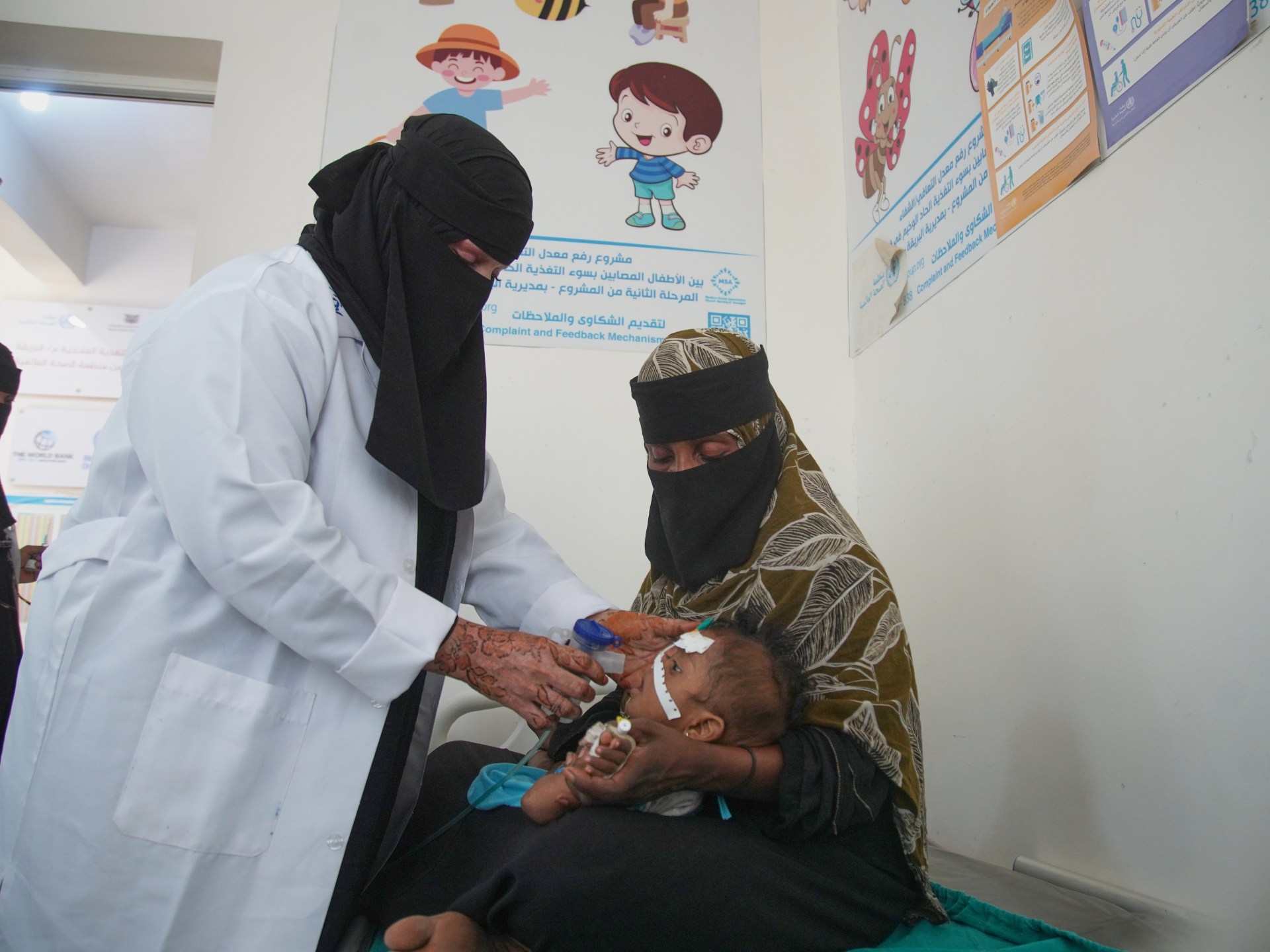
During a visit to displacement camps, Al Jazeera uncovered harrowing stories of children suffering from severe malnutrition. For instance, two-year-old Jiyad Mohammed Jalal, who resides in the al-Khadeesh camp, was found to be severely malnourished, necessitating continuous treatment at the local healthcare facility.
Reports indicate that over 200 cases of malnutrition have been documented in the Abs district alone over the past three years. Hospitals, such as Al-Nasr in the Dhale governorate, reported receiving 269 acutely malnourished children from January to August 2026. Shockingly, nearly a quarter of Yemen's acutely malnourished children, totaling around 516,157, endure the severe form of malnutrition.
Rising Severe Malnutrition Cases
The Ministry of Public Health and Population noted a troubling increase in severe malnutrition cases among children under five years of age from January to July 2026 compared to the previous year. Key areas hit hardest by this crisis include Taiz with 11,982 cases, Aden with 7,339, and Dhale with 6,710. Despite the local data showing the widespread nature of malnutrition, significant challenges persist in accessibility to treatment, with healthcare systems overwhelmed by the sheer number of cases.
Treating Symptoms Versus Addressing Causes
Efforts to treat malnutrition vary significantly depending on the severity of each case. The government nutrition clinic run by Dr. Muajiba al-Mansouri in al-Sumayya camp treated numerous children over the past year, with some recovering thanks to timely intervention. However, the success rates are overshadowed by the underlying issues: poverty, illness, and the lack of resources all compounded by the ongoing war.
The Role of Nutrition Clinics
At these clinics, children battling severe malnutrition are initially assessed and treated. Under the current medical protocol, stable cases can be treated as outpatients, while others with grave complications may require hospitalization. Meanwhile, the World Food Programme (WFP) and UNICEF play pivotal roles in supplying necessary resources; however, the support remains woefully inadequate given the scale of the crisis.
Funding Challenges and Rising Demand
Despite clear humanitarian needs, funding for essential programs has not kept pace. For instance, only a fraction of the $4.27 billion needed was funded in 2022, and the response plan for 2026 is similarly underfunded at just over 20%. The lack of financial support hampers not only immediate relief efforts but also longer-term solutions to combat malnutrition.
Psychological and Social Impacts
The situation is not just a health crisis but also highlights the socio-economic struggles facing families. An estimated 1.3 million pregnant and breastfeeding women in Yemen are also malnourished, which directly impacts their children's health. Feeding a child requires the mother to also be nourished and cared for, but many live under the same dire conditions as their families.
A Call to Action
The tragic case of Tahani illustrates a broader question regarding the efficacy of aid provided to Yemen amidst its humanitarian disaster. As organizations funnel millions into relief efforts, critical gaps remain in effectively addressing the causes of malnutrition. Aid must transcend mere monetary transfers; it must also foster economic restoration and public services to truly change lives.
As pediatric patients continue entering clinics only to return to the very conditions that caused their malnutrition, the need for a reevaluation of how aid operates in Yemen has never been more urgent. Without systemic changes to address the root causes of hunger, the plight of Yemen's children is unlikely to improve.
Popular news
New York has declared a disaster emergency over rising measles cases, especially among under-immunized populations, with 108 confirmed cases.




Subscribe to
our news
Get the most important updates and top stories in your inbox.