




 Business17 Jul 2026
The Dust Dilemma: A Crucial Challenge to Elon Musk’s Mars Colonization Dream
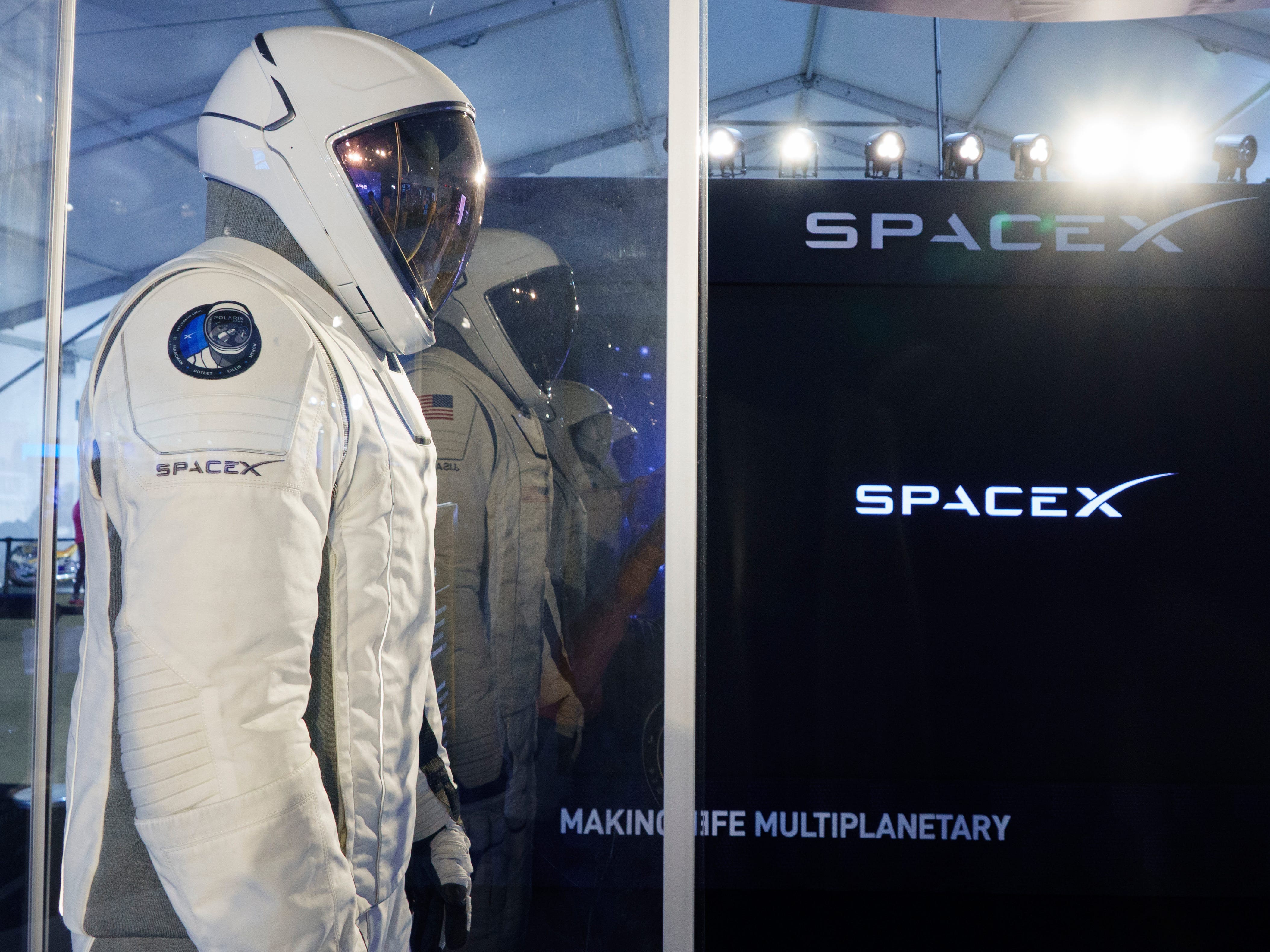
Toxic Martian dust could undermine Elon Musk's ambitious colonization plans, warns astrophysicist Adam Becker.
The Challenge of Martian Dust
Elon Musk's ambitious vision of a self-sustaining human colony on Mars could face a significant hurdle: toxic Martian dust. Astrophysicist Adam Becker, an expert on space colonization, sheds light on this often-overlooked problem, highlighting the implications for future colonists on the red planet.
Toxic Dust: A Major Threat
Becker explains that the fine dust present on Mars is not only hazardous but also pervasive. "The dirt on Mars is toxic," Becker stated. This dust could contaminate vital resources such as food, water, and living environments. As astronauts journey to Mars and set up habitats, this dust would likely adhere to their spacesuits and subsequently invade their living spaces.
Limitations of Underground Shelters
One proposed solution, underground shelters designed to protect colonists from radiation, may not mitigate the dust issue. Becker warns, "It's just the one that sort of shook me out of my complacency that we were going to Mars. I saw that, and I was like, wait a minute, I don't think this is going to happen."
The Broader Challenges of Mars Colonization
Beyond the dust, Becker emphasizes a series of daunting challenges that must be addressed before colonization can take place. The journey to Mars alone lasts between six to nine months, exposing astronauts to significant levels of radiation and the physical effects of prolonged weightlessness. Even after arrival, colonists would encounter lower gravity levels, a hostile atmosphere that is nearly unbreathable, and an array of logistical hurdles to establish a permanent settlement.
Is Colonization Possible?
Despite these profound challenges, experts like UC Berkeley’s Alexei Filippenko believe that colonizing Mars is not theoretically impossible. However, the reality is much more complicated than Musk envisions. Filippenko cautions that the obstacles include not just environmental issues, but also biological challenges—like the implications of low-gravity on human reproduction and health.
The Reality of Mars Living Conditions
While Musk speaks optimistically about the colonization potential—seeing Mars as a backup for humanity—experts like Becker emphasize a more sobering reality. He posits that a successful Mars colony may look less like a thriving city and more like a small group of people living in underground tunnels, rarely venturing outside. "It would be incredibly depressing," Becker concludes, characterizing the future of Martian life as far from Musk's grand vision of a vibrant, self-sustaining city.
Ultimately, the prospect of colonizing Mars is laden with complex challenges, and the toxic dust of Mars is just one of many barriers that could impact the feasibility of life on the red planet.
Popular news
Nuveen acquires Schroders, creating a $2.6 trillion asset management powerhouse.



Subscribe to
our news
Get the most important updates and top stories in your inbox.