




 Health22 May 2026
The Impact of Conflict on Patients with Thalassaemia
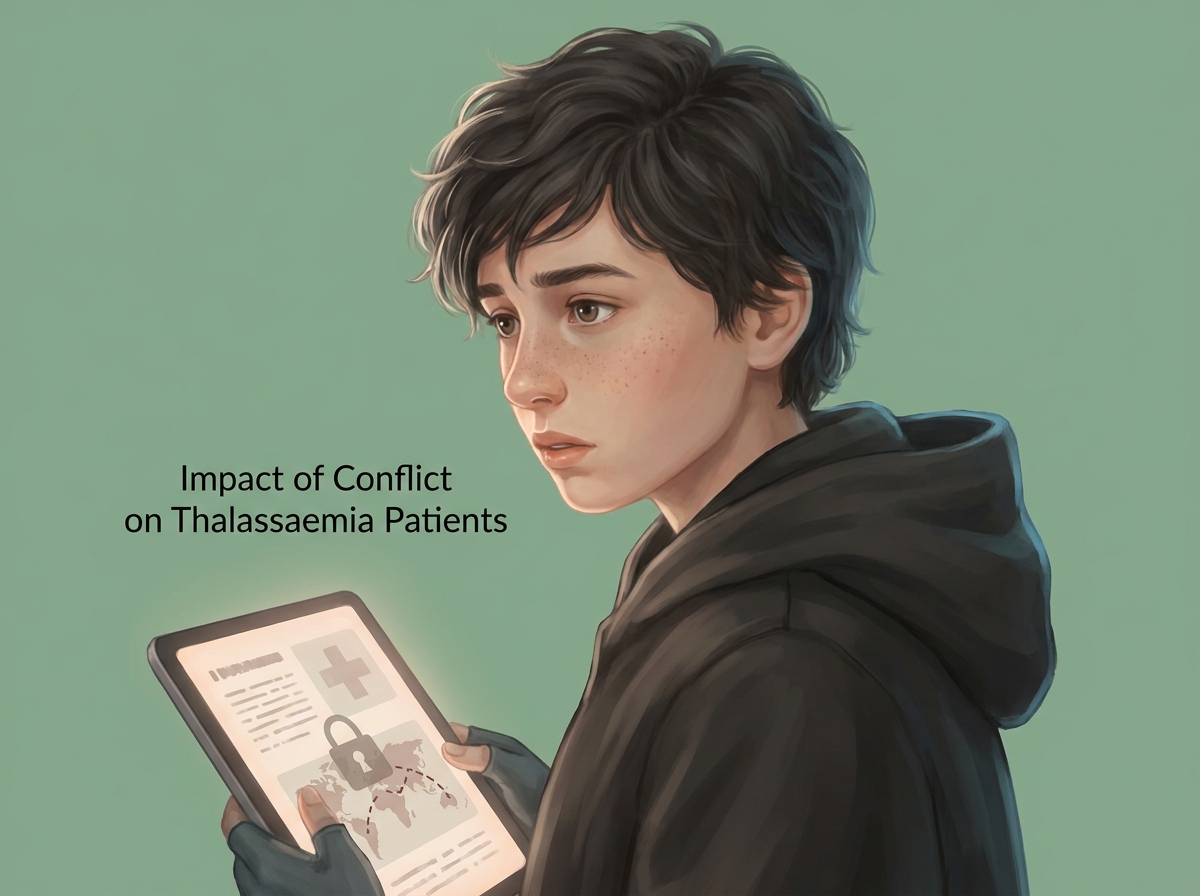
Thalassaemia patients in conflict zones face dire challenges, with sanctions impeding vital medical care, warns the Thalassaemia International Federation.
Introduction
The plight of thalassaemia patients living in conflict zones has garnered urgent attention from the Thalassaemia International Federation (TIF). As armed conflicts escalate, these individuals are not only direct witnesses to violence but are increasingly becoming victims of the hostilities. The Federation asserts that the consequences of such conflicts are exacerbated by sanctions, which severely hinder these patients’ access to critical healthcare services.
Dire Circumstances in Conflict Zones
According to TIF, the harsh realities of war have a profound impact on individuals suffering from thalassaemia, a genetic blood disorder requiring regular medical treatment and transfusions. In regions affected by armed conflict, hospitals often become unsafe environments, leading to disruptions in treatment schedules. Patients find themselves in a precarious situation, navigating the dangers of violence while dealing with their medical needs.
The Role of Sanctions
Sanctions, though intended as a political tool to resolve conflicts without military intervention, disproportionately affect vulnerable populations like thalassaemia patients. TIF has urged that these measures inadvertently create additional barriers in accessing necessary medical supplies and medications. The implementation of sanctions can lead to shortages in critical care, leaving patients stranded without the vital treatments that sustain their lives.
A Call to Action
The Federation’s statement is a rallying cry for both humanitarian actions and a reassessment of the policies that contribute to the suffering of those with thalassaemia in conflict zones. They emphasize the need for compassion and immediate action to ensure that humanitarian access is preserved, and medical care is delivered regardless of the political climate. People affected by thalassaemia are calling on international communities to prioritize their health and wellbeing, especially in times of crisis.
Conclusion
As the impact of armed conflict on health care deepens, it is vital to recognize and address the unique challenges faced by thalassaemia patients. The Thalassaemia International Federation’s urgent plea serves as a reminder of the need for comprehensive policies that safeguard health rights amidst turmoil. The lives of countless individuals depend on our collective action to ensure their access to life-saving treatments, regardless of the circumstances surrounding them.
Popular news
Nuveen acquires Schroders, creating a $2.6 trillion asset management powerhouse.

Subscribe to
our news
Get the most important updates and top stories in your inbox.