




 World05 May 2026
The Strait of Hormuz: The Revolutionary Guard's Last Stand in the Face of Challenges
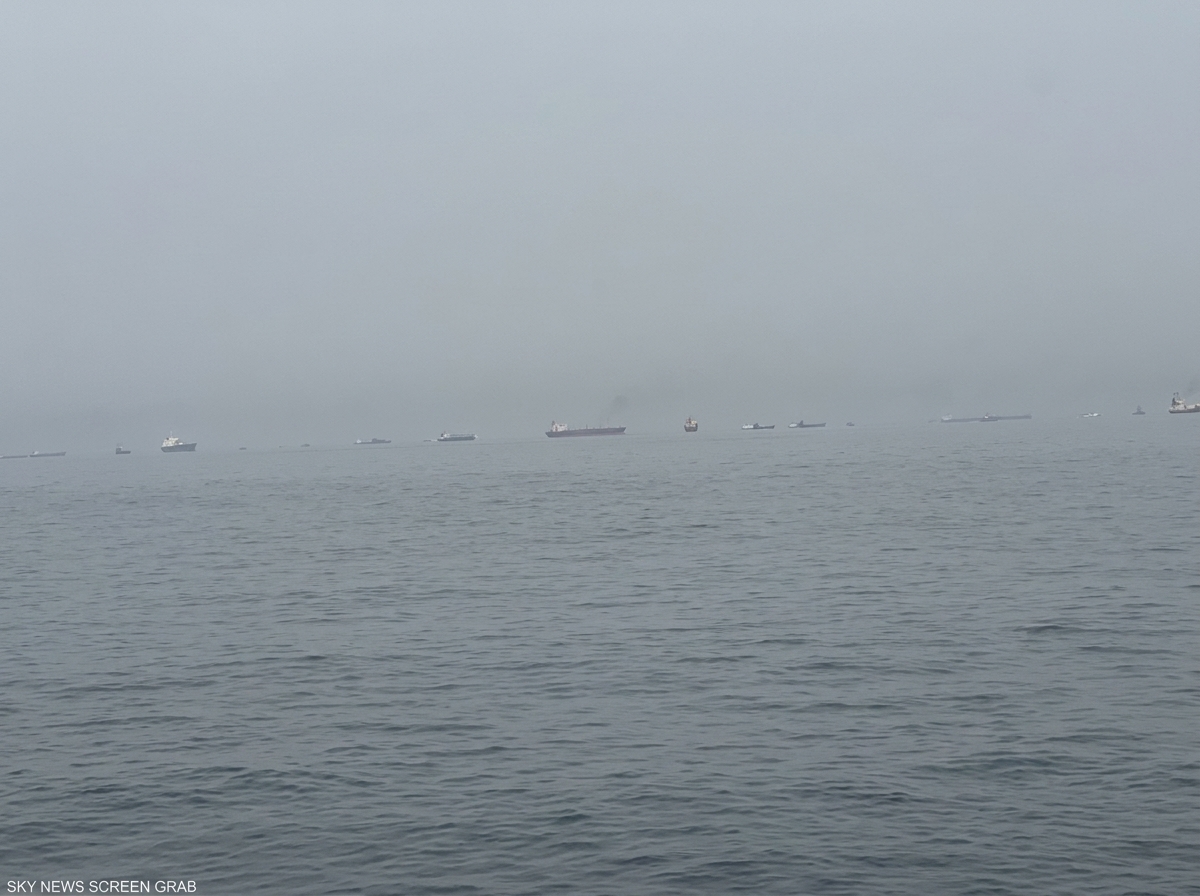
The evolving dynamics in the Strait of Hormuz reveal Iran's challenges as it balances military power and diplomacy amid U.S. scrutiny.
Introduction
The Strait of Hormuz has transcended its geographical significance, emerging as a battleground of influence and power dynamics, particularly amid escalating tensions between the U.S. and Iran. The Iranian Revolutionary Guard (IRGC) is recalibrating its strategies following a series of setbacks, while President Trump weighs military and diplomatic options to address the crisis.
The Strategic Importance of the Strait
As analysts scrutinize the recent Iranian actions in the Strait of Hormuz, they emphasize its role as a pivotal point for global oil transport and military strategy. Mohamed Al-Zghoul of the Emirates Policy Center outlines that responding to Iran's provocations may not require military action but rather the strategic reopening of this critical waterway. The IRGC has mockingly asserted that U.S. forces fear entering or exiting the strait; thus, any change in this dynamic could undermine Iran’s position and erode the IRGC's longstanding reputation.
Internal Weaknesses in Iran
Al-Zghoul argues that Iran’s political framework is disintegrating. Institutions traditionally embodying state power, such as the Expediency Discernment Council and the Supreme National Security Council, now operate sporadically. The current scenario is characterized by a militia asserting its presence over a fractured governance structure. This chaotic backdrop challenges analysts' tendency to interpret Iranian behavior through a lens of rational statecraft, underscoring the need for a coalition approach to addressing Iran’s militia-led regional influence.
American Perspectives
From the U.S. standpoint, the complexities surrounding military intervention further complicate the decision-making process. Paul Salem, a Sky News Arabia analyst, notes a blend of agreement and skepticism within the Trump administration regarding military engagement. Critical voices suggest prioritizing internal strategies, aiming to capitalize on Iran's strained socio-economic conditions, particularly as public dissent grows in light of the impending conflict.
Historical Context and Future Implications
Historical parallels emerge as Salem likens Iran's potential post-crisis landscape to that of Syria under Assad, where internal collapse followed external pressures. This suggests a multidimensional approach could yield comprehensive solutions involving military, diplomatic, and cultural strategies to reinforce stability in the region.
International Alliances in Flux
The rapid fragmentation of international alliances is another critical issue, as emphasized by Al-Zghoul. Traditional power structures, such as the United Nations, are failing to respond effectively to crises. The ineffectiveness of organizations, coupled with weaknesses in regional collaborations, provides both an opportunity and a challenge for nations reassessing their diplomatic strategies.
The UAE's Tactical Reassessment
The UAE stands as a case study of strategic recalibration, as it reexamines regional relations to address vulnerabilities exposed by the latest crises. This moment of introspection serves as a wake-up call that may pave the way for stronger partnerships and a restructured approach to collective security.
Possible Pathways Forward
Looking ahead, several outcomes appear plausible. The first scenario involves limited military escalation, likely spurred by the U.S. and its allies responding to Iranian aggression. The second pathway entails ongoing negotiations, as Washington and Tehran exchange proposals, indicating that heightened tensions may be a façade for imminent comprehensive talks. The third scenario centers around enforcing maritime security measures at the Strait of Hormuz, bolstered by U.S. military presence.
Nonetheless, any successful outcome relies heavily on the U.S.'s ability to mend the fissures in transatlantic alliances, as secure partnerships will amplify the impact of any policy initiatives.
Conclusion
As the U.S., Iran, and their allies navigate this precarious landscape, awareness and strategic foresight will be crucial in addressing the multi-layered challenges presented by the Strait of Hormuz and Iran’s evolving military and political posture. Analysts agree that the ongoing situation demands a nuanced understanding of regional dynamics and a cohesive response to optimize diplomatic and military strategies to ensure stability in this critical area.
Popular news
A small plane crash while touring the Nazca Lines in Peru has resulted in 13 fatalities, including tourists and crew.



Subscribe to
our news
Get the most important updates and top stories in your inbox.