




 Technology17 Jul 2026
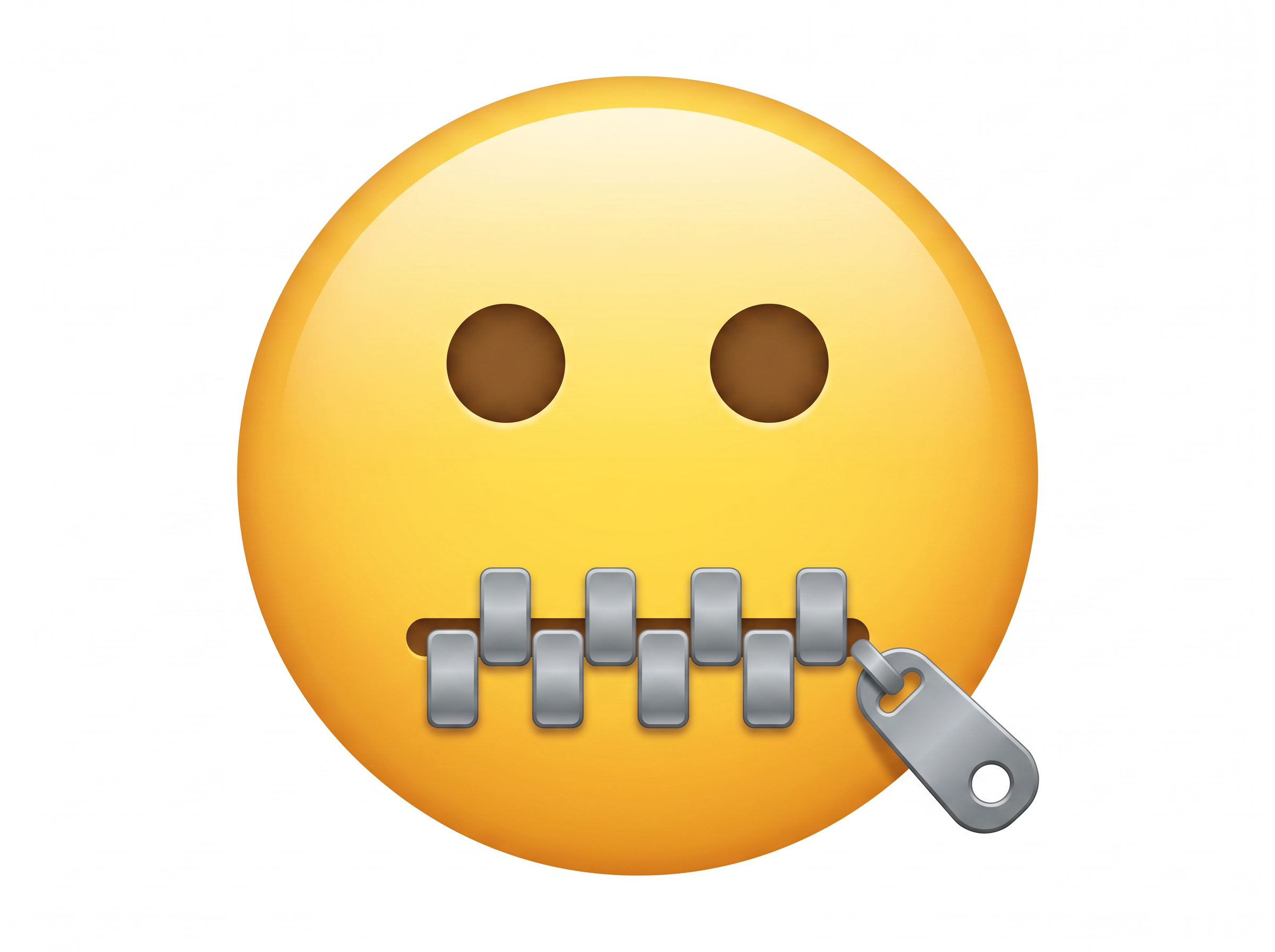
The Zoom Hack That Says, ‘Don’t Record Me’
VC Jeremy Levine humorously rebrands on Zoom to confront AI transcription annoyances, igniting debates on privacy and spontaneity in conversations.
Introduction
In a humorous twist to the rise of AI transcription tools, venture capitalist Jeremy Levine has adjusted his Zoom name to "Jeremy Levine I do not consent to transcribing or recording." This light-hearted strategy seeks to highlight the growing unease surrounding the omnipresence of digital recordings in professional settings, a sentiment echoed by many in the business community.
The Rise of AI Transcription Apps
Ubiquitous Recordings
As AI transcription apps become more prevalent, many professionals, including fellow VC Eric Bahn, have started to operate under the assumption that their discussions will invariably be recorded. Bahn remarks that he expects recordings before noticing a phone slide across the conference table. The trend poses critical questions about how such practices influence workplace dynamics, where spontaneity and candidness might be stifled.
Social Impact and Legal Concerns
Levine's modification of his Zoom identity sheds light on what he describes as "socially unacceptable behavior." Critics argue that the culture of recording can destroy the natural flow of conversation, facilitating a sterile environment where participants may self-censor, knowing they are being documented.
Furthermore, there are serious legal implications surrounding the practice of recording without explicit consent, raising questions about privacy rights and the potential misuse of transcribed data.
Real-World Examples
Recording Personal Conversations
The pervasiveness of recording is not just limited to business meetings. One founder shared with The Wall Street Journal that she frequently uses the Granola app to record her first dates, later analyzing the transcripts to gauge her engagement levels and conversational balance. This illustrates how the recording culture extends into personal realms, challenging traditional norms regarding privacy and spontaneity.
The Dilemma of Data Overload
A Flood of Information
The surge in recorded conversations across various contexts begs the question: if every meeting, casual chat, or social outing is transcribed, who actually has the capacity to absorb all this information? With the accumulation of conversations reaching an overwhelming scale, industry experts warn of an impending "audio landfill" that could dilute the utility of recorded data.
While AI transcription tools are designed to facilitate understanding and improve communication, the sheer volume of material risks rendering these recordings unusable. The challenge remains: at what point does the conversation cease to be a meaningful dialogue and transition into an unmanageable archive of data?
Conclusion
As Jeremy Levine humorously highlights the absurdities of the recording culture through his mock title, his actions raise fundamental questions about privacy, consent, and the evolving nature of communication in our increasingly digitized world. The conversation surrounding these issues is just beginning, and as technology progresses, so too will our understanding of its implications on personal and professional relationships.
Popular news
New York has declared a disaster emergency over rising measles cases, especially among under-immunized populations, with 108 confirmed cases.


Subscribe to
our news
Get the most important updates and top stories in your inbox.