




 Technology16 May 2026
Top FDA-Approved At-Home Blood Pressure Monitors for Heart Health
Discover top-rated FDA-approved blood pressure monitors for home use and stay on top of your heart health.
Importance of Monitoring Blood Pressure
Maintaining healthy blood pressure levels is essential for heart health, especially for those with hypertension. Regular monitoring can help identify potential issues early, allowing for prompt intervention and management. The American Heart Association advocates for consistent tracking, highlighting the necessity of dependable devices for home use.
Top FDA-Approved Blood Pressure Monitors
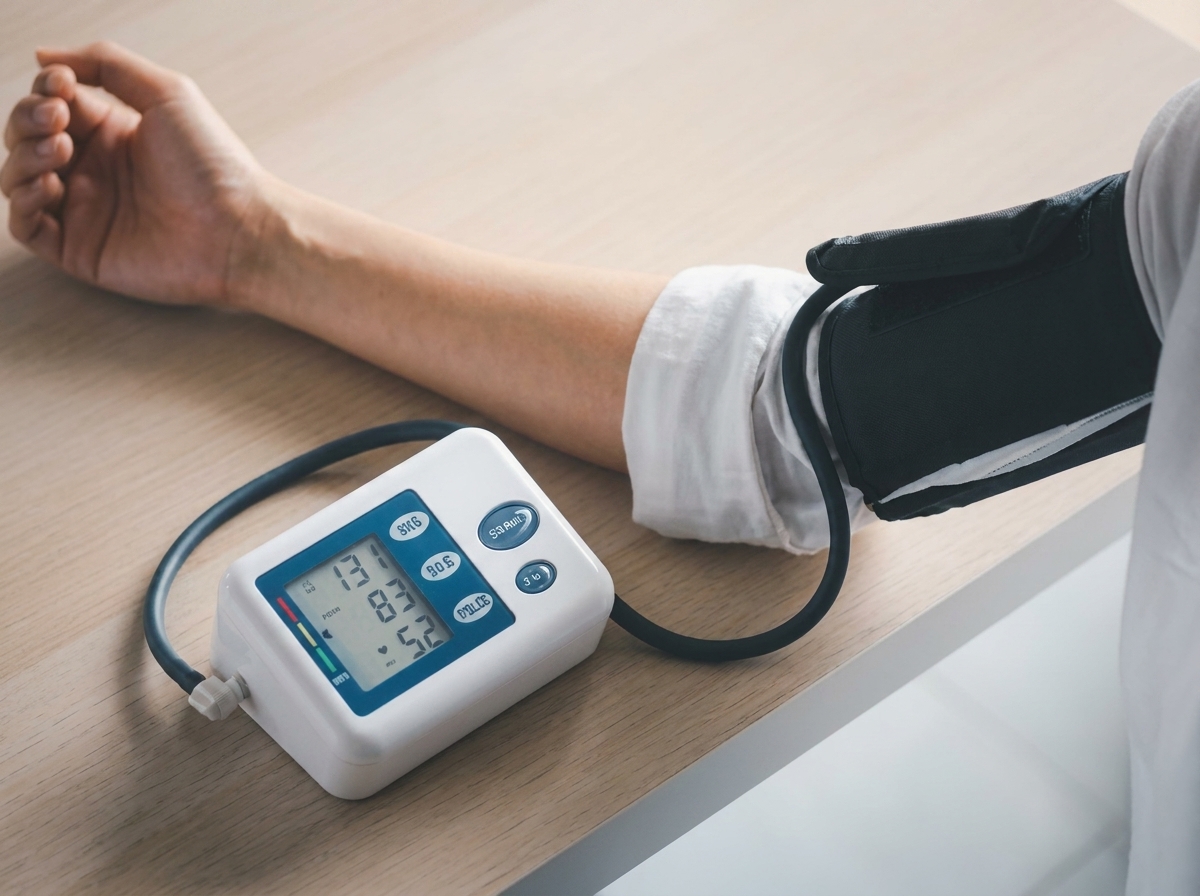
CNET recently evaluated several FDA-approved at-home blood pressure monitors, selecting some of the best options available for consumers. These devices are not only user-friendly but also provide vital health insights. Here are four standout choices:
1. Withings BPM Connect
This sleek device is marketed as trendy and user-friendly. Its key features include:
- Pros: Supports multiple user profiles via the Withings Health Mate app and provides clinically validated readings.
- Cons: Higher price point compared to many competitors.
The Withings BPM Connect offers comfort during use and an easy-to-navigate app that stores data effectively, although it can only hold eight readings before syncing. This feature is particularly beneficial for households with multiple users tracking their blood pressure.
2. Omron Complete
Omron’s blood pressure monitor was the first to combine EKG and blood pressure readings, making it a unique offering. Highlights include:
- Pros: Delivers very consistent measurements and tracks additional metrics, such as pulse and atrial fibrillation.
- Cons: Bulkier and pricier compared to more basic models.
Developed in collaboration with AliveCor, the Omron Complete ensures comprehensive health tracking, making it ideal for users looking for multifaceted insights.
3. LifeSource Monitor
Designed for those with larger arms, this monitor features:
- Pros: Can accommodate arm circumferences over 23 inches, suitable for users needing a larger fit.
- Cons: May yield inaccurate readings for smaller arms and is pricier than other models.
Though testing indicated variable results on smaller arms, this model holds promise for its targeted user base and stores up to 60 readings, which is beneficial for trend tracking.
4. Omron 3 Series
An excellent choice for budget-conscious consumers, this model's features include:
- Pros: Affordable and clinically validated with a straightforward setup.
- Cons: Limited data storage compared to other monitors.
The Omron 3 Series is recommended by medical professionals for its reliability and accuracy, making it particularly suitable for general home use.
Key Considerations for Home Monitoring
When selecting a blood pressure monitor, understanding who should track their blood pressure is crucial. According to cardiologists, nearly everyone can benefit from monitoring, especially those at risk of hypertension, pregnant women, and those with existing heart conditions.
1. Frequency of Monitoring
Individuals advised to track their blood pressure consistently, particularly those with health issues, should do so with the proper equipment. Home monitoring acts as an early warning system, prompting necessary medical evaluations when abnormalities are detected.
2. Understanding Readings
Blood pressure measurements consist of two numbers: systolic (top) and diastolic (bottom). Consistently high readings or sudden fluctuations warrant discussion with a healthcare provider.
Health Monitoring Best Practices
To effectively monitor blood pressure at home, the American Heart Association suggests:
- Avoiding caffeine and exercise 30 minutes prior to measurement.
- Ensuring proper position and environment during readings.
- Taking multiple readings for accuracy and at consistent times daily.
Ultimately, selecting the right blood pressure monitor should involve considering individual health needs, arm size, and desired features. As technology advances, these devices are more accessible, enabling smarter health management.
Staying vigilant about blood pressure can result in healthier long-term outcomes, and the right monitor can make all the difference in achieving that goal.
Popular news
Netanyahu dismisses West Bank violence as actions of 'juvenile delinquents' during a UN speech, focusing on Israel's military success against Hezbollah.





Subscribe to
our news
Get the most important updates and top stories in your inbox.