




 Business22 Sept 2026
Trump Pursues Potash from Belarus, Sparking Concerns Over Russian Transit
Trump's push for Belarusian potash imports raises concerns over shipping routes and ethics, as Canadian Premier warns of reliance on Russia.
Trump Seeks Belarusian Potash Amid Trade Tensions
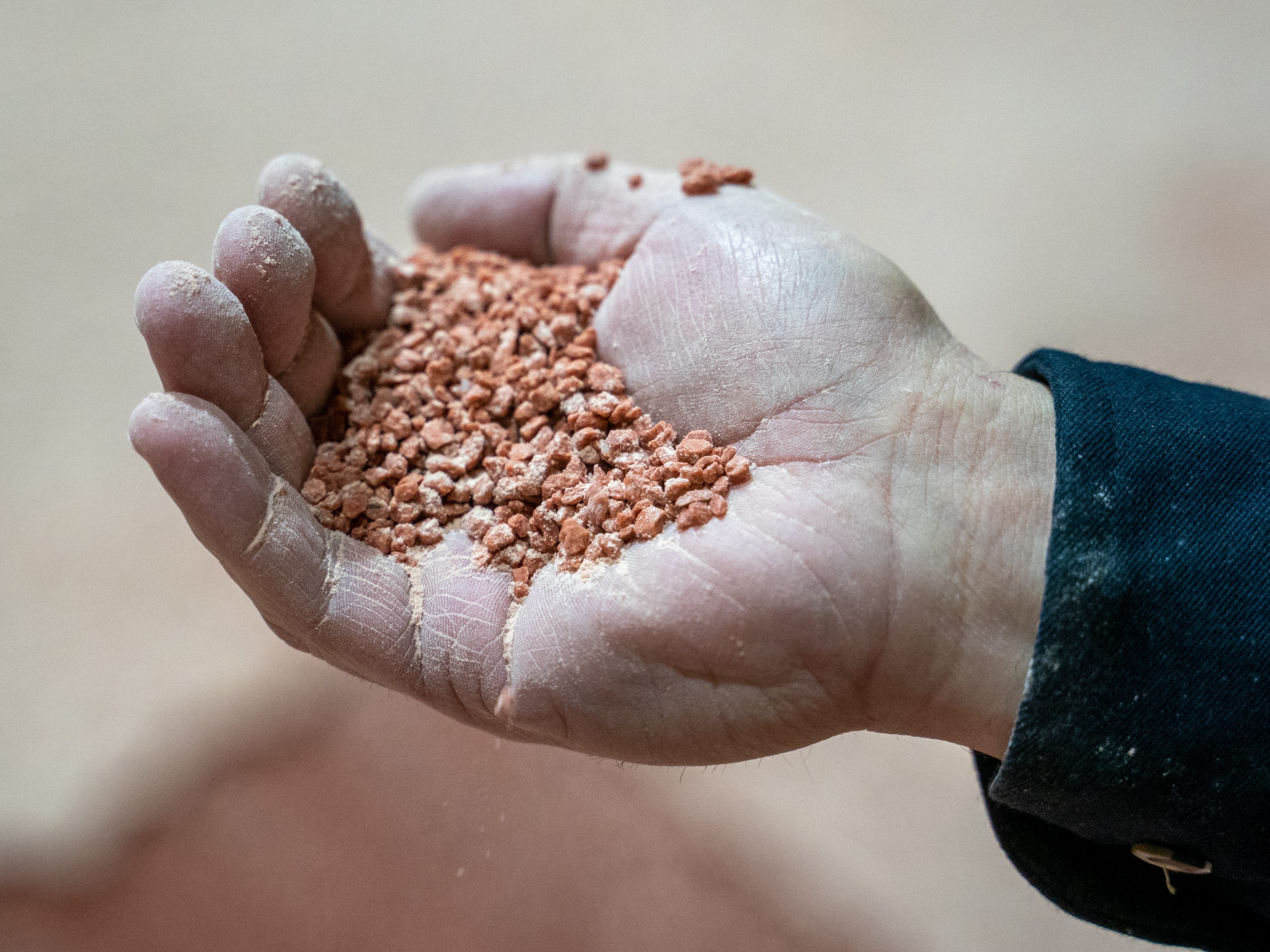
In the latest move in his ongoing trade conflicts, President Donald Trump has expressed interest in importing potash from Belarus, suggesting that it could help lower costs for farmers across the United States. This proposition is framed within a larger narrative of trade tension with Canada, which has traditionally supplied the majority of U.S. potash imports, a critical fertilizer used to increase crop yields.
An Unexpected Route
While Trump touts the potential financial benefits, Saskatchewan Premier Scott Moe has raised significant concerns about the viability of this plan. In a recent social media post, Moe highlighted that any Belarusian potash would likely need to be transported through Russia, questioning whether the claim of reduced prices could hold true, given the geopolitical realities.
"Does anyone believe Belarusian blood potash shipped through Russia is going to be more affordable, more sustainable or more ethical than potash shipped from Saskatchewan - right here in North America?" he stated, emphasizing the moral implications of relying on Belarusian resources amidst ongoing sanctions due to its support for Russia’s invasion of Ukraine.
The Current Landscape of Potash Supply
Potash, considered a cornerstone for enhancing agricultural productivity, has seen its shipping routes complexified due to geopolitical tensions. Belarus, being a landlocked nation with limited access to shipping routes following sanctions, faces additional hurdles in meeting U.S. demand. Premier Moe's apprehensions are compounded by the fact that Belarusian President Alexander Lukashenko recently indicated that the country has limited additional potash supply available for new Western clients, as current production has already been contracted.
Despite the lifting of certain sanctions on Belarusian producers by the U.S., the logistics of moving potash through Russia could lead to higher costs and ethical dilemmas that complicate this trade route.
The Broader Impact of Trade Decisions
Trump's administration has consistently implemented measures targeting Canadian exports, yet potash has largely avoided these tariffs due to its essential role in U.S. agriculture. This latest move to source potash from Belarus marks another chapter in the ongoing trade war with Canada, where officials at various levels have warned against using essential commodities as potential tools for negotiation or leverage.
Moe has previously cautioned the federal government against retaliatory trade actions that could hurt Canadian producers and inadvertently drive U.S. buyers towards alternatives like Belarus, complicating the bilateral agricultural relationship even further.
As the situation unfolds, key questions remain about the feasibility and ethics of sourcing potash from Belarus and the implications it may have for U.S. farmers, who are now left to navigate these turbulent waters.
Belarus's precarious position, alongside the ethical and logistical hurdles that accompany shipping through Russia, raises doubts about whether this proposed trade deal will benefit American agriculture as intended.
Popular news
António Guterres urges a global ban on autonomous weapons, emphasizing the ethical risks of AI in military decisions.



Subscribe to
our news
Get the most important updates and top stories in your inbox.