




 Business23 Sept 2026
Trump-Xi Meeting: Navigating China's Shift Towards Self-Sufficiency
As trade tensions persist, Trump's upcoming meeting with Xi underscores China's shift toward self-sufficiency, impacting global trade dynamics.
Introduction
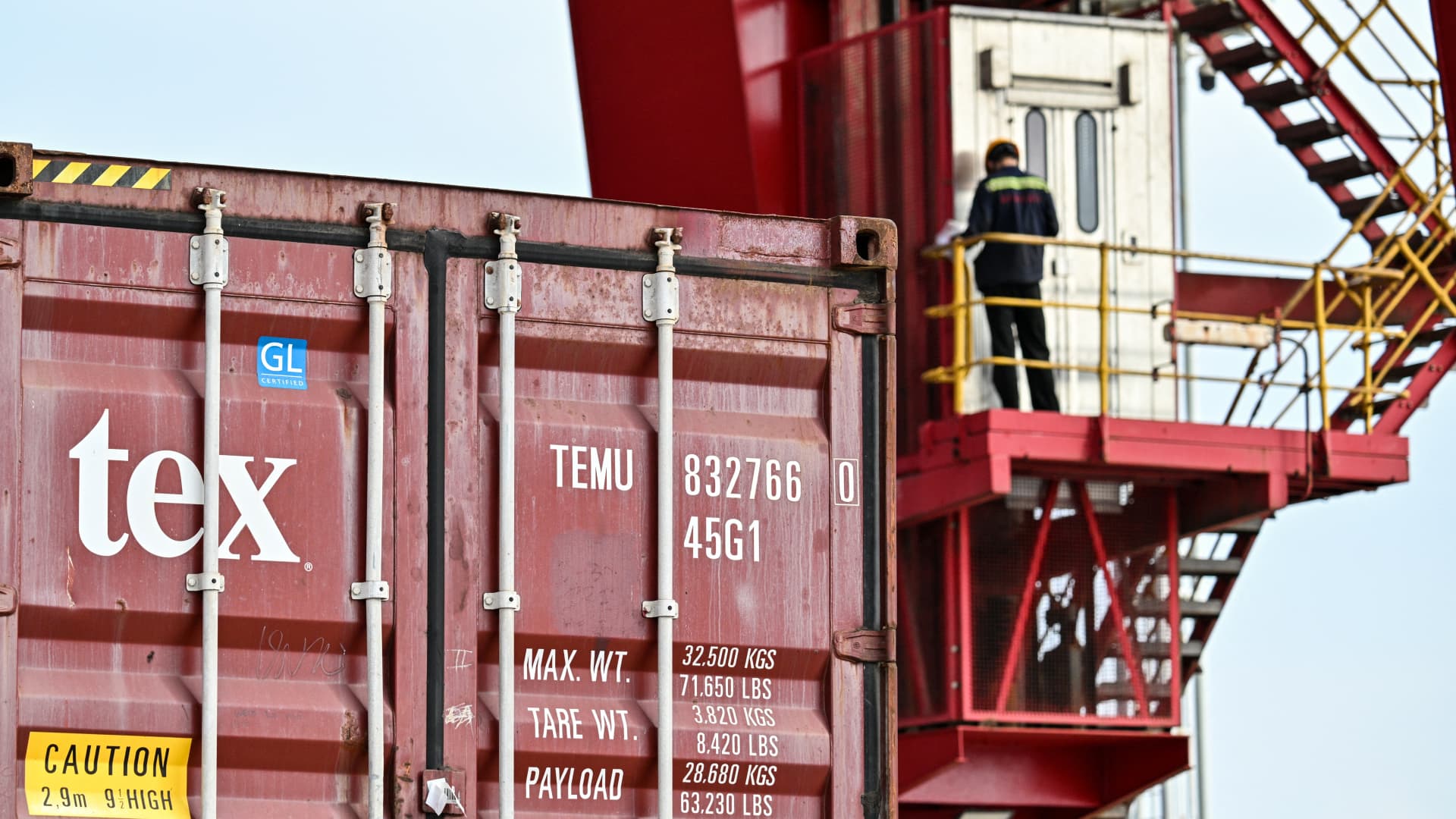
U.S. President Donald Trump is set to meet with Chinese President Xi Jinping for their second summit this year amidst ongoing trade tensions that continue to shape global economic landscapes. China’s recent thrust towards self-sufficiency has somewhat insulated its economy from global trade fluctuations, but the reliance on Chinese commodities remains robust, particularly in technology sectors.
Trade Dynamics and Self-Sufficiency
Ongoing Trade Tensions
Despite efforts to reduce the substantial trade deficit with China, U.S. companies maintain a high dependence on Chinese products. Over recent months, U.S. concerns regarding artificial intelligence and technology have gained significant traction as critical points of discussion leading up to the summit.
The trade truce established in previous negotiations is a focal point for American businesses, who hope to see further extensions and easing of punitive tariffs. However, demand for Chinese goods continues to surge, aided by the insulation that China’s self-sufficiency initiatives provide to its domestic economy against external pressures.
The Impact of Economic Fluctuations
Recent data from China Customs reveals that the trade deficit with the U.S. experienced a temporary drop due to escalating trade frictions early in the year. However, a growing demand for AI and technology-related components has subsequently pushed the deficit upwards again. Jens Eskelund, president of the European Chamber of Commerce in China, highlights that over 60% of U.S. imports still come from Asia, underlining the difficulty in shaking off this dependency despite an ongoing shift towards diversifying global supply chains.
The Challenge of Domestic Competition
Emerging Issues
The economic landscape within China reflects a significant downturn, particularly in its domestic real estate market, which has seen a decline over recent years, adversely affecting consumer demand. This economic climate has intensified competition among companies in China as they vie for both domestic and international market share. The American Chamber of Commerce in Shanghai recently reported a striking shift where three-quarters of its members now perceive local competitors as more innovative, reflecting a narrowing quality differential.
Shifting Focus
For the first time since 2022, internal competition among Chinese firms is viewed as a more pressing challenge for businesses operating within China than geopolitical tensions. This shift in priority underscores how domestic economic pressures are beginning to eclipse the previous concerns over international trade relations.
International Implications
Scrutiny from the EU
Accentuating the situation, European Union officials are beginning to echo U.S. concerns, raising scrutiny over exports from China. EU Trade Commissioner Maroš Šefčovič is scheduled to visit Beijing next month, seeking tangible results in trade discussions, particularly given that the EU maintains the largest trade deficit with China amongst global economies.
China's Global Standing
Chad Bown, a senior fellow at the Peterson Institute for International Economics, notes that China’s strategy appears focused on enhancing its self-sufficiency, effectively creating a one-way dependency on its goods worldwide that it could potentially leverage as a geopolitical tool.
Conclusion
As Trump and Xi prepare for their summit, the ramifications of China’s self-sufficiency agenda underscore a crucial transition in global trade perspectives. While economic challenges within China are fostering fierce competition domestically, they also highlight the complexities of international trade relationships, where reliance on Chinese goods remains a pivotal factor for U.S. companies navigating this evolving landscape.
Popular news
Harvey Weinstein receives 15-year prison sentence for sexual assault of Miriam Haley, concluding years of legal battles in the #MeToo movement.




Subscribe to
our news
Get the most important updates and top stories in your inbox.