




 World31 Jul 2026
Tunisian Wildfires Uncover Infrastructure Failures and Community Struggles
Wildfires in Tunisia's Kef governorate reveal critical infrastructure failures, leaving communities vulnerable and exposed to climate change impacts.
Tunisian Wildfires Illuminate Infrastructure Challenges
Recent devastating wildfires in Tunisia's mountainous Kef governorate have left in their wake a trail of destruction, significantly impacting local communities. Fires have not only ravaged homes and farmland but have also sparked urgent discussions about the nation's failing infrastructure and the increasing vulnerability of its citizens to climate-related disasters.
Impact on Local Communities
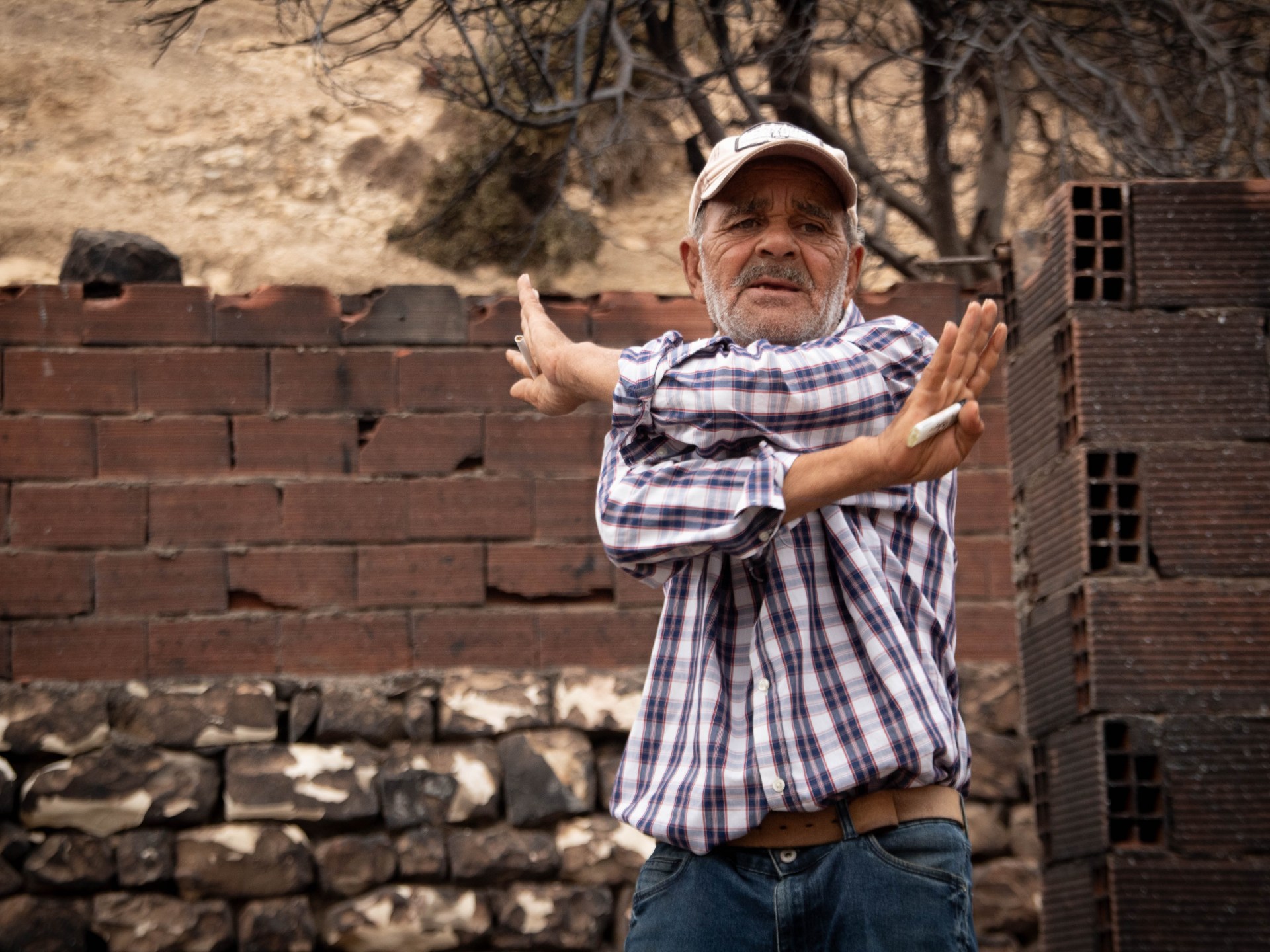
In the aftermath of the fires, residents like 70-year-old Mongi Abdeli stand amid the ruins of their livelihoods. Abdeli lamented the loss of ten sheep and countless crops, expressing despair at the state’s response: "They kept telling us there was no water to extinguish it. All they could do was evacuate us." His story echoes across the region where thousands have faced similar tragedies due to wildfires exacerbated by soaring summer temperatures, with some areas reaching nearly 50 degrees Celsius (122 degrees Fahrenheit).
Authorities report that nearly 600 fires broke out within a mere 48 hours during the peak of the wildfires, marking a season that has been among the most destructive in recent years. Civil Protection Lieutenant Colonel Khalil Mechri noted the unprecedented nature of these wildfires, indicating that 95% were caused by human negligence or "criminal acts."
Infrastructure Under Pressure
The crisis has revealed critical weaknesses within the nation's infrastructure, particularly regarding energy and emergency services. As demand for electricity surged due to the heatwave, the state-owned electricity and gas company, STEG, implemented daily rationing to prevent a nationwide blackout. This left many residents without basic amenities like refrigeration and running water during a crucial time.
Mahjoub Chouakhia, a local resident, articulates the frustration felt by many when she said, "On the day of the fire, we asked for the restoration of the electricity and water supply, but we were refused." Factory disruptions and water-pumping station failures compounded the difficulties faced by communities already suffering from the wildfires.
Government Accountability
Critics point fingers at the Tunisian government for failing to invest adequately in public services and energy security. Political economist Sahar Mechmech stated, "Saying this demand surge came as a surprise is surprising. The problem lies in the supply of electricity and the lack of investment in maintaining energy security."
With the last major power station built in 2019 and a significant debt owed to STEG, the government's failure to provide reliable services has come under scrutiny, especially just ahead of the fifth anniversary of President Kais Saied’s power consolidation, a time of heightened public expectation and scrutiny.
The Community Response
While emergency services have been deployed, local residents have often relied on each other for support. "For years of drought, poor harvests, and now wildfires, we’re on our own," said one resident, highlighting the community's resilience amid systemic failures.
As wildfires become increasingly common due to climate change, the challenges facing Tunisia reflect a worrying trend. The struggle for survival, compounded by inadequate state management, forces many, like Khatma, to think deeply about the future: "I just want my children and grandchildren to have the basic means to exist," she shared with poignant clarity.
Conclusion
Tunisia’s wildfires serve as a distress signal that emphasizes the urgent need for improvements in infrastructure and public services. As the climate crisis intensifies, vulnerable communities must be equipped with the means to adapt and survive. The government’s actions in the coming months will be critical in addressing these systemic challenges and restoring the trust of its people.
Popular news
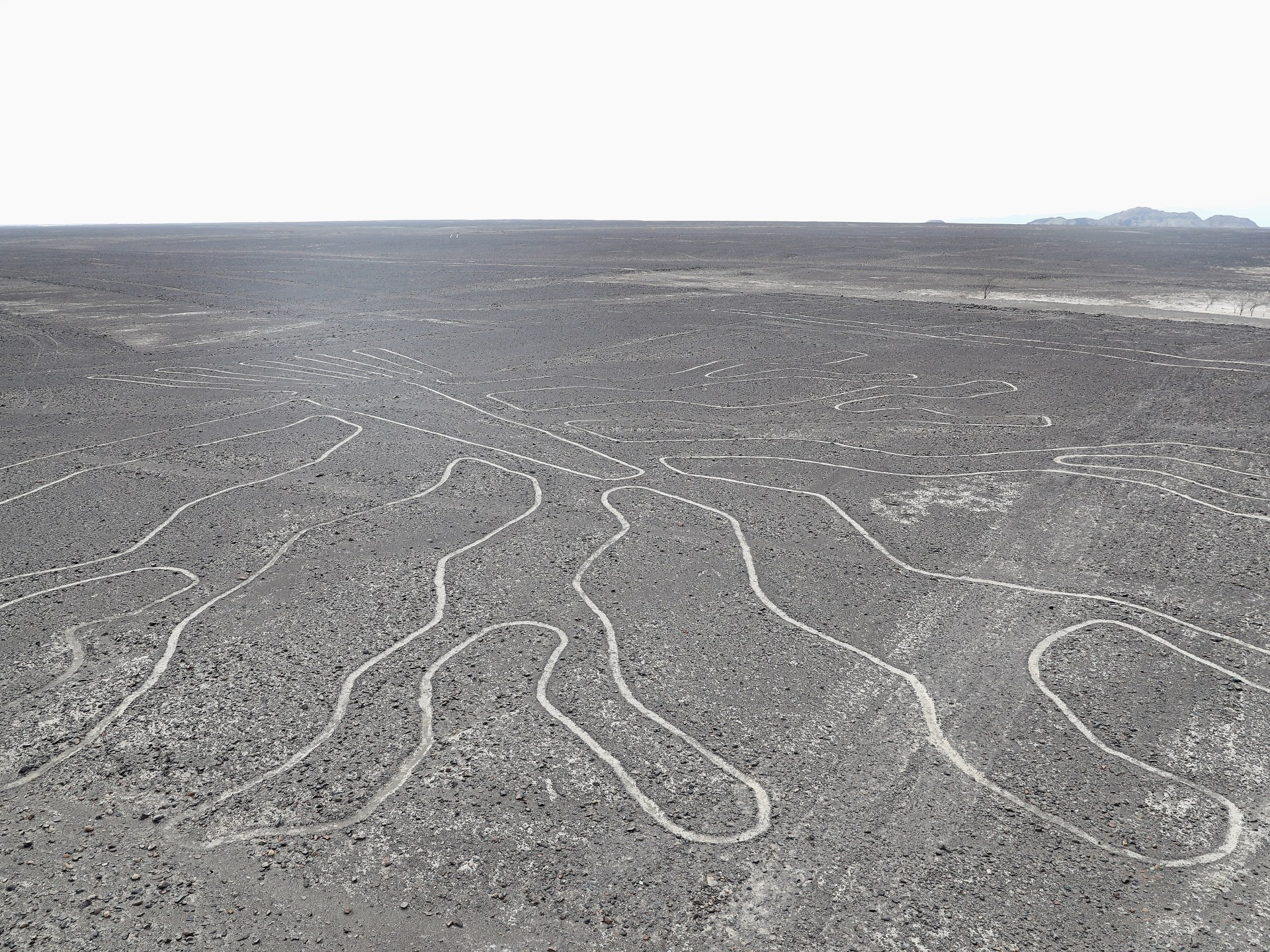
A small plane crash while touring the Nazca Lines in Peru has resulted in 13 fatalities, including tourists and crew.



Subscribe to
our news
Get the most important updates and top stories in your inbox.