




 Business02 Jun 2026
Uber Faces Intense Competition from Rapido in Indian Ride-Hailing Market
Rapido is rapidly outpacing Uber in India by focusing on affordability and a distinct business model designed for a price-sensitive market.
Uber vs. Rapido: A David-and-Goliath Rivalry
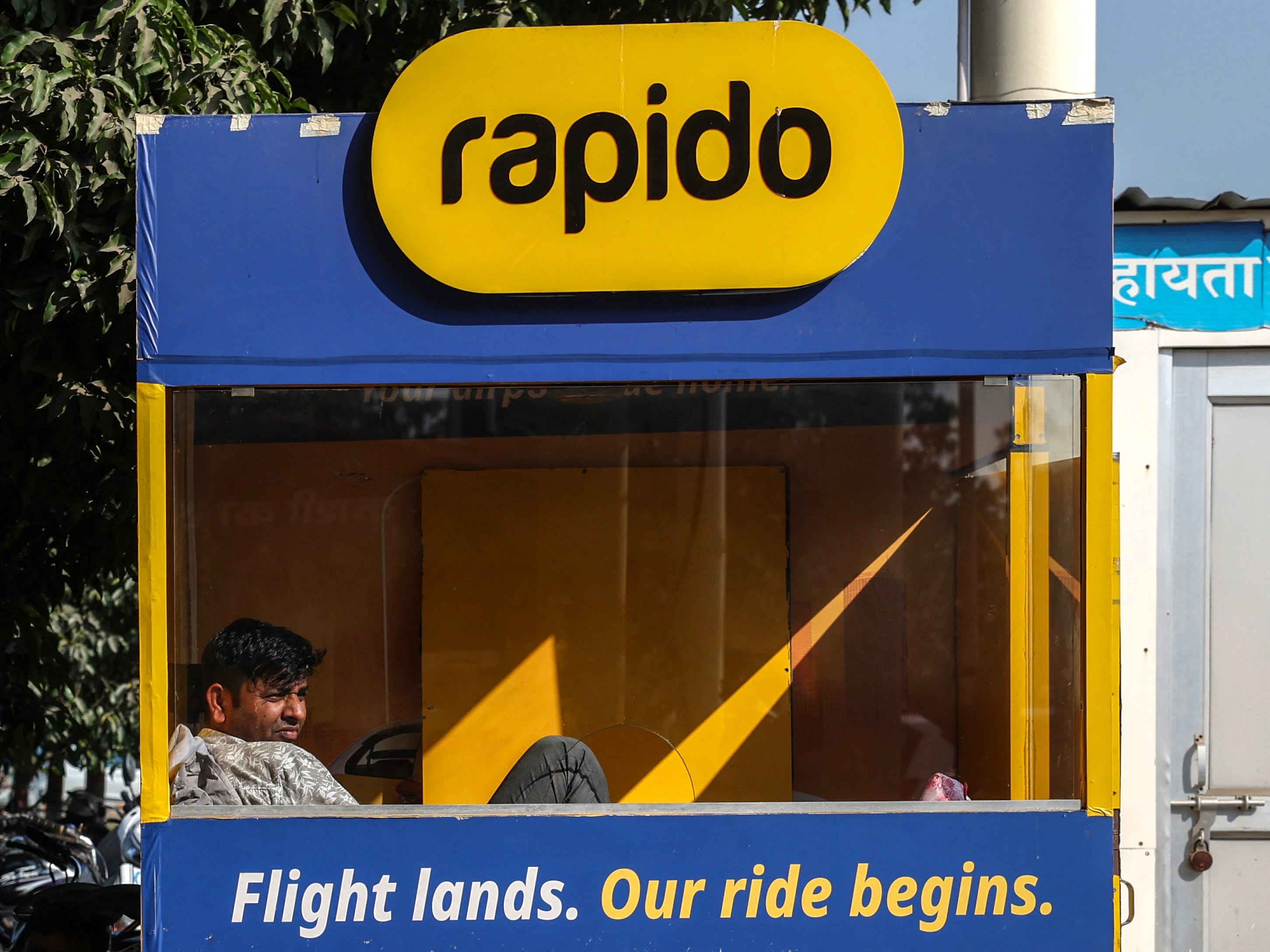
In a fiercely competitive landscape, Uber is encountering intense challenges from a homegrown startup, Rapido, which is reshaping the ride-hailing market in India. Established in 2015, Rapido has quickly ascended to become one of India's premier ride-hailing services. The company boasts over 70 million monthly active users and nearly 3 million active drivers, positioning it as a formidable competitor to Uber and other industry giants.
Rapido's Unique Approach to Ride-Hailing
Focus on Local Needs
Rapido's strategy diverges significantly from that of Uber. The startup emphasizes utilizing two-wheelers and auto-rickshaws to cater to the price-sensitive Indian market, thereby providing more affordable ride options to users. Aravind Sanka, CEO and co-founder of Rapido, stated, "We knew that India is a price-sensitive market and affordability has to be the key for ride-sharing compared to premium."
This approach allows Rapido to maintain lower operating costs, with the average fare for a two-wheeled ride ranging from 60 to 70 cents. Notably, bikes and auto-rickshaws account for approximately 70% of total rides on the platform.
Innovative Driver Compensation Model
Unlike Uber's commission-based earnings, Rapido utilizes a flat daily fee model for drivers, which has proven attractive in retaining and attracting drivers—a tactic that has helped increase their driver count from about 1 million to nearly 3 million in just over two years.
This model innovatively incentivizes drivers while allowing Rapido to compete aggressively against traditional rivals, including Uber, which operates on a much larger scale with about 1.4 million drivers in India.
The Growth Trajectory
Rapid Revenue Increase
Despite not yet being profitable, Rapido's financial indicators are promising. The company reported a remarkable 44% increase in operating revenue in the last fiscal year, with its net loss shrinking by 30%. These figures suggest a shift towards viability that could alarm brands like Uber.
Market Potential
Sanka highlighted the immense potential for growth in the Indian ride-hailing sector, which remains largely untapped, with less than 5% of the population currently using ride-hailing services. This scenario implies that competition rankings could shift rapidly, increasing the urgency of the competition between Rapido and Uber.
Conclusion: No Merger in Sight
Amidst the mounting competition, Sanka dismissed any prospects of merging with Uber in the near future, stating, "When penetration is low, and it is growing fast, that means the positions can change at any point in time. There’s no point in thinking about any kind of consolidation."
As Uber grapples with this rising contender, it will need to strategize effectively to maintain its position in a market that is fast evolving and becoming increasingly dominated by local players like Rapido.
Visual Context
Courtesy Rapido
Abhishek Chinnappa/Getty Images
Popular news
New York has declared a disaster emergency over rising measles cases, especially among under-immunized populations, with 108 confirmed cases.



Subscribe to
our news
Get the most important updates and top stories in your inbox.